My Lawn, Your Lawn

cigarette_litterWhy is chemical treatment on my lawn such a big deal?  It’s my grass on my property.  It’s not like I’m spraying all my neighbor’s lawns or the playground or the dog park.

It was presented to me like this- sure, smoking a cigarette directly affects my body.  And sure, who can tell me what to do with my body?  But the truth is that the harmful Water Systemcomponents of cigarettes not only affect my body, but also those around me.  From the effects of second hand smoke, to the litter, to the environmentally stressful tobacco growing process, to the chemicals leeching into soil and water systems- cigarettes affect more than just the person smoking.

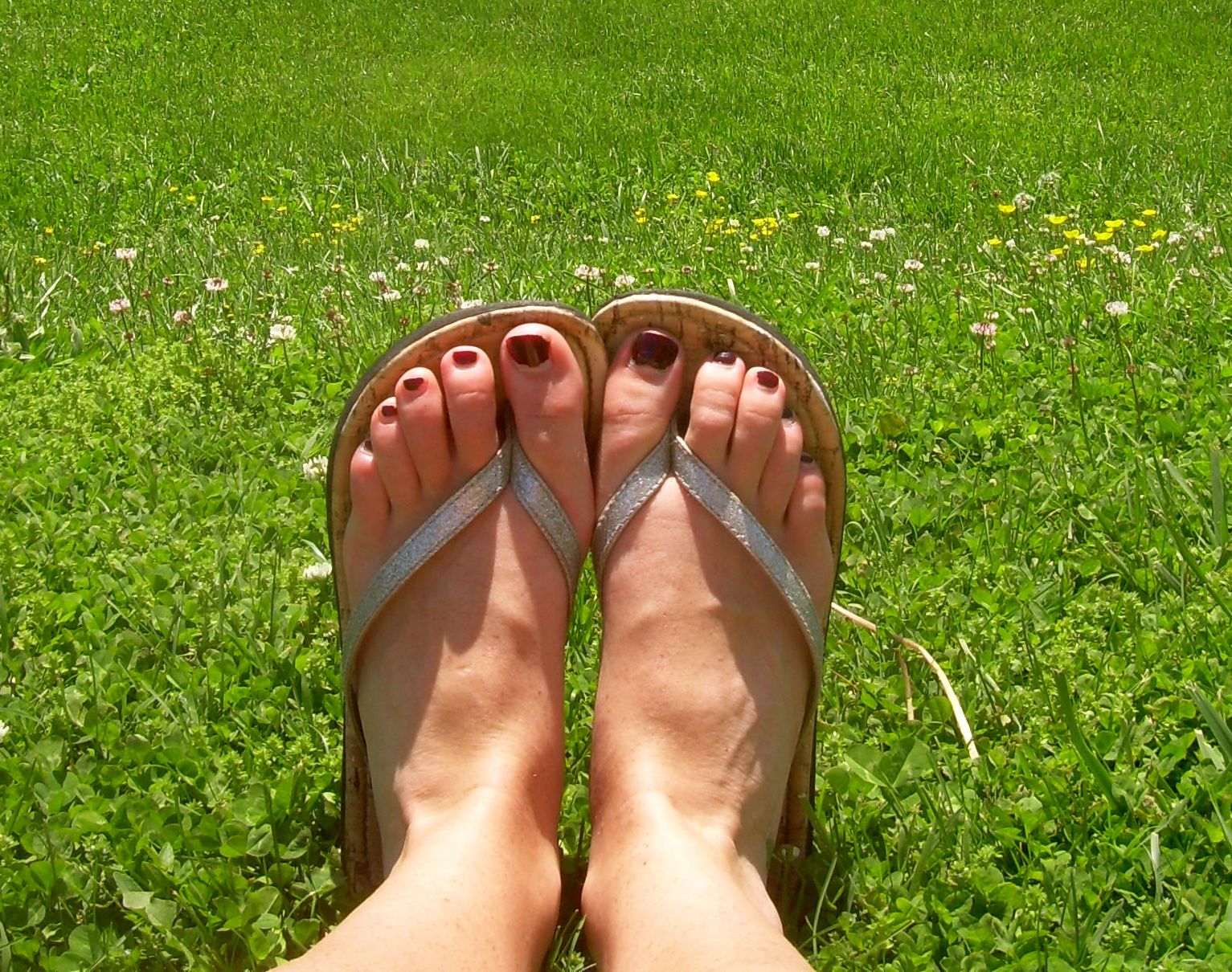
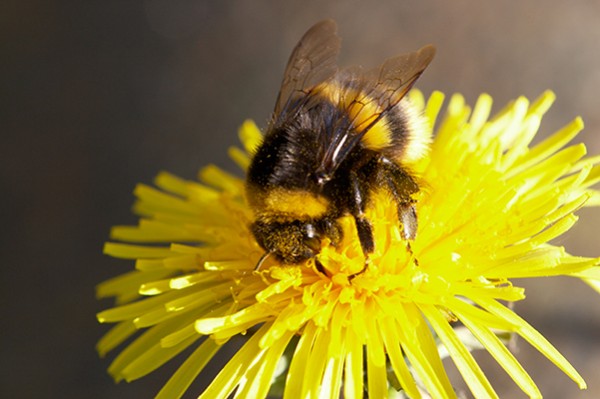
Chemicals used on lawns do quite the same thing.  It’s my lawn.  But where are the chemicals going after I apply them?  They’re leeching into the soil.  They’re running off with the rainwater.  They’re being tracked into the house.  The kids are going after their softballs in my lawn.  The dogs are sniffing and rolling around.  The bees are suffering.

Playing in Lawn

Culturally, we have a very quick fix sort of mindset.  We generally forget to think about the holistic impacts we have.  And quite frankly, many of us probably just aren’t aware!

Bumble-bee+and+dandelion+13332

There are great organizations out there creating the necessary awareness about the dangers associated with chemical lawn care.  Thank you to Beyond Pesticides for all your efforts!  And there are also many different resources providing alternative methods to maintaining pests and attractive yards, such as Gardener’s Supply Company.  All we need is a little elbow grease!

– MOM’s Employee of multiple MOM’s locations

Posted in Children, Family, Lawns, Natural Health, Pets | Tagged , , , , , , , , | 2 Comments

Organic Lawn Care Toolshed

handout1 handout2

Posted in Gardening, Lawns, Water | Tagged , , , , , , | Leave a comment

Eat Your Weed

photo by cynus921 @ flickr

photo by cynus921 @ flickr

MOMs is in full-obsession mode this week over dandelions – and we have every reason to be. We, Americans in particular, are choking our ground water with fertilizers and drying out our clean water resources to try to give grass the leg up on dandelions in our yards. And, frankly, grass isn’t a great friend to our soil (check out clover for soil replenishment).

Dandelion greens are tender, tasty greens with bite, and dandelion root is a great herbal tea for internal cleansing and detoxification, AND its good for your soil! An earlier commenter pointed out that dandelions are favorites of bees, and pleasing bees is a very good thing!

However, keep in mind there are several weeds in your yard that are tasty and nutritious: some very common ones are Ground Ivy [Glechoma hederacea], Common Plantain [Plantago major], and Lambs Quarter [Chenopodium berlandieri].

My great-grandmother would stop and pull lambs quarter from between the sidewalk cracks and gather it up and steam the leaves or toss them with lettuce in the dinner salad, and that story persisted in the family for years. It was one of the first plants I could identify on my own and surely you’ve seen it too.

Christopher Hobbs and common plantain

Christopher Hobbs and common plantain

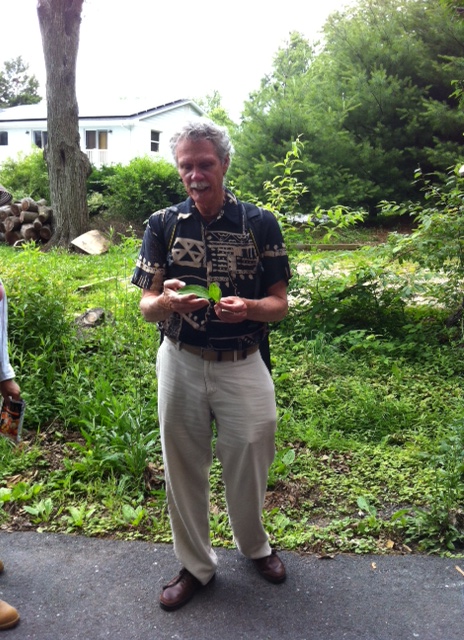
I learned about the former two edible weeds when MOMs Wellness staff went on an herb walk with the renowned herbalist Christopher Hobbs. After the tour, we went out to the road to wait for our bus, which was running late. Dr Hobbs leaned down and pulled Plantago Major leaves from the side of the road and explained that it was tasty in the raw in its early leaf stages (steam or blanch the more mature leaves and try to remove the “strings” that run through it for the best texture), and it is the source of the psyllium seed fiber that we sell. The entire plant can be eaten, in a variety of ways, and its quite nutritious, like most dark leafy greens.

Dr Hobbs then plucked some ground ivy, little leaves with scalloped edges growing on dainty short stems (not the invasive English ivy that grows all over college buildings), and explained that it is a good source of iron and vitamin C.

So, if the food apocalypse arrives, those of us with mixed-population lawns will be sitting pretty. And don’t forget about the chicory, bee balm, cow slip, redbud, elder and clover! All can be put to good use in the kitchen (or medicine cabinet). Bon Appetit!

Save the Dandelions with MOMs, bring your lawn chemicals in for safe disposal March 15-23!

Alyssa works at multiple MOMs locations.

Posted in Gardening, Lawns, Native plants, Vegetables | Tagged , , , , , , , , , , , , , , , , , , , , , , , | 2 Comments

Water Safety & Lawn Care: What You Don’t Know Can Hurt You!

Screen Shot 2014-03-07 at 3.27.52 PMAccording to the National Pesticides Telecommunications Network (NPTN), a pesticide is a chemical used to control a pest, be it “an insect, weed, bacteria, fungus, rodent, fish or any other troublesome organism.[i]” While some are naturally occurring in the environment, most pesticides are manufactured for use in our homes, on public lands and for agricultural purposes.

More than 700 synthetic organic compounds have been identified in various U.S. drinking water supplies, with contamination originating from a variety of sources, including household products and “leakage or improper disposal of chemical wastes from commercial and industrial establishments.”  The EPA acknowledges that there is ample evidence to suggest organ damage, cancer and adverse reproductive effects on laboratory animals exposed to pesticides in their drinking water at even the smallest amounts.  And while scientists have set minimum contaminant levels (MCLs) for pesticides that are permissible in drinking water, there is an increasing acceptance and awareness that most water sources are contaminated.

Screen Shot 2014-03-07 at 3.30.46 PM

Intuitively, it seems logical to assert that whatever is lethal to a pest or weed, could also be harmful to other organisms (including humans).[ii]  The risk varies from person to person and community to community, with individual impact also complicated depending on how well a person’s system can process and filter out the good and the bad.  Pre-existing health conditions or weak immune systems complicate matters.  Studies are limited by the fact that many health problems are difficult to trace to a specific cause and thereby can be deemed inconclusive.  And since some cancers can remain latent for up to 40 years, it is easy (and convenient) to diminish the correlation between contaminated drinking water and adverse health affects.

Screen Shot 2014-03-07 at 3.31.55 PMPesticides can infiltrate our homes, our natural resources (especially water) and our bodies much easier than one might think.  A 2012 study by Cornell University revealed, “twenty- two pesticides have been detected in U.S. wells, and up to 80 are estimated to have the potential for movement to groundwater under favorable conditions.[iii]”  Even in the best case scenarios, these chemicals seep into our water tables each time it rains and can even travel through the air to contaminate the surface waters used for the public drinking water systems.[iv]

With the change in seasons, many of us are gearing up to beautify our homes and our gardens.   Our thought often is:  “I can spray chemicals all over my lawn and on the perimeter of my home without any residual effects on my own health or body.” Out of sight, out of mind.  WRONG.

At MOM’s, our newly launched Save the Dandelions campaign raises awareness about the impacts of artificial fertilizers and pesticides on the environment.  Hopefully we can share the benefits of using organic, all natural compounds instead of the toxic products most of us are accustomed to.  Although fear can be just as lethal as the fossil fuels we live and breathe these days, it can also serve to expedite and inspire change.  Here are a few things you can do, now, to make a difference during the campaign and for years to come.

1. Get smart: It is increasingly vital that we work together to encourage the protection of our groundwater recharge and push for government screening and regulation of pesticides.  Have a look at the diagram below to see how interconnected our water systems actually are.

2. Take pride! Get excited about the Save the Dandelions campaign, unlike any of its kind on the Eastern seaboard.

3. Share the wealth: Get your local neighborhoods and communities involved. Help with tabling at your stores and work with your ER captains to make your store’s program as robust as possible.

4. Baby steps: Think of small changes you can make, at work and at home.  This could be anything from buying less abrasive cleaning products to planting gardens of native plant species in your backyards.  Me?  I aspire to start a ladybug farm (ladybugs are naturally occurring protectors against pests!) and try to convince my father his emerald green lawn can be achieved naturally.

What about you?  Share your BIG ideas below!

Ryan works at MOM’s Alexandria


[ii] Many scientists and environmental advocates agree that human beings are indeed at risk, with more severe symptoms possible in pets and children. The Partnership for Environmental Education and Rural Health (PEER), Texas A&M University, 2012; available at: http://peer.tamu.edu/curriculum_modules/Environ_Hazard/module_4/lesson2.htm

[iii] More than twenty states, including Maryland and New Jersey in the mid-Atlantic region, have reported some pesticide contamination of groundwater. More info available at: http://psep.cce.cornell.edu/facts-slides-self/facts/pes-heef-grw85.aspx

Posted in Lawns, Water | Tagged , , , , , | 2 Comments

We’re Saving Dandelions! Here’s why

Screen Shot 2014-03-10 at 10.14.38 AMHere’s a little quiz:

It’s important to Save the Dandelions because…
a) They’re yellow and pretty
b) You can eat them
c) They’re good for your lawn
d) All of the above

If you choose any of these as your answer, you’re correct!  If you chose option d), you’re the most correct.

Today dandelions have the dubious reputation of being weeds, pests, and a blight on the lawn.  But historically, dandelions have been cherished for their nutritional value, medicinal purposes, and beauty.  They were known to the ancient Egyptians, Greeks, Romans, and Chinese.  They probably arrived to the Western Hemisphere on the Mayflower, likely for medicinal purposes.

Stay tuned for yard signs like these to proudly place in your chem-free lawn!

Stay tuned for yard signs like these to proudly place in your chem-free lawn!

This month MOM’s is launching Save the Dandelions!, a campaign to raise awareness about how we treat our bright yellow friends and how we treat our lawns.

Three million tons of fertilizer and 33,500 tons of synthetic pesticides are used on U.S. lawns every year in an effort to make them look “healthy,” pretty, and free of dandelions.  But all of that green beauty is only turf deep.  Lawn care chemicals don’t just end up on lawns–they end up in our waterways and ultimately wreak havoc on our ecosystems and personal health.  Considering that there are more acres of lawn than the top 8 U.S. farmland crops combined, it’s more important than ever to think critically about lawn care and the systemic effects of a chemically dependent yard. MOM’s supports organic, sustainable lawn care and is determined to do whatever we can to Save the Dandelions!

In partnership with Clean Harbors, MOM’s is accepting your unused pesticides, fertilizers, and herbicides (still in original containers) for proper disposal.
drop off banner
Did you know…

  • Pristine manicured lawns originated in 18th century Europe as a status symbol and slowly became popular in America during the post-war housing boom, creating a competitive market for lawn care products.
  • Suburban lawns and gardens receive more pesticide applications per acre than agriculture.
  • Lawn care chemicals help create Dead Zones in our Watershed that kill wildlife and make humans sick.
  • GRASSCYCLE! Nix the bag. Fresh grass clippings are a natural, nutrient-rich & free fertilizer.
  • 30 of the most common lawn care pesticides are linked to health problems including cancer and neurotoxicity.
  • Lawn care products can be approved and registered by the EPA without a guarantee that the chemicals have been fully tested for environmental and human health effects.
  • The #1 irrigated crop in the United States is lawn grass, using over 19 trillion gallons of water every year.

Let’s Save the Dandelions!

Posted in Lawns, Water | Tagged , , , , , , , | 19 Comments

Bryn Mawr Home Stretch!

Home stretch everyone! The Bryn Mawr Grand Opening festivities start on Friday, February 21. All customers who come in will receive a free, compostable MOM’s reusable bag loaded with awesome samples!

Staff has been hard at work training and putting together their store. We are really excited to be working with so many cool local vendors!

Wellness is loaded with neat extras, too from scarves, to socks, to hair pieces to “decomposition” books!

This location will feature a Naked Lunch, an all organic café within the store which serves made to order salads, steam bowls, sandwiches, juices and other specials.

And we also have a slew of great new products, including 4 different types of Grind-Your-Own Nut Butters. There’s still time to purchase your Groupon!

See you this weekend!

Krista works in multiple MOMs locations.

Posted in Local, News, Organic Food | Tagged , , , , , , , , , , , , , , , , , , , , | 2 Comments

The Road to a Chemical Free Lawn – Step One

snow kittyAs I sat inside last week with over a foot of snow outside my window, I could only think of one thing: spring.

(An upshot of the snow was making snow creatures in it.)

With spring comes my plan for a garden, cookouts, bonfires, and making s’mores.  This year I am also planning to take on my lawn.  2013 was the first year that I had to personally take care of a lawn.  Every year before that I either lived in an apartment or with my parents and the lawn just seemed to take care of itself.  Now that I am a homeowner I see that lawn maintenance is a lot of work, and I want to do it right with no pesticides or fertilizer that will kill bees and butterflies and pollute the Chesapeake Bay.

I have found that creating an organic lawn takes a lot of work!  To get started and I have enlisted the handy guides from Beyond Pesticides (a local DC non-profit).  Here are the few steps I am following to establish a new lawn:

1.  What kind of grass will be best for my soil?
My solutions: Fine fescue or turf-type seem to fit the bill because they do well in shade and the turf is pretty resilient all around.

2.  Seed or Sod?
My solution: sod is super expensive and usually full of chemicals so I am going with seed.

3.  Site Preparation – test soil, rough grade, add soil amendments and organic matter, final grading.
My Solution: This step is a little daunting.  I used the Beyond Pesticide guide for reading weeds earlier this fall to determine issues with my soil, i.e. very low nitrogen because I can see black medic and I have grubs.  This means I am going to grade my soil away from the house, add compost or compost tea, sow in some clover seeds with my grass (to trap nitrogen), and get some nematodes to eat the grub.

4. Maintenance
My solution: I will mow high on the mulch setting, aerate, water when needed just to establish the lawn, over-seed when needed, and apply more compost or compost tea in the spring and fall.

Hopefully these steps will help me establish a thriving organic lawn!

Not interested in planting grass?  Check out my next post on lawn alternatives.

Heather works in MOM’s Central Office.

Posted in Composting, Gardening, Lawns, Native plants | Tagged , , , , , , , , , , , | 3 Comments

New MOM’s in the Neighborhood!

Bryn Mawr team

Bryn Mawr team

Last Friday I made a trek up to Philadelphia to meet with the staff of our up-coming Bryn Mawr, PA store. The team in Bryn Mawr is smart, fun and ready to work hard for our community, so it was quite an energizing visit. The charm and personality of the area was infectious and I found myself a little jealous that I wouldn’t be staying for good!

On the weekend, a couple of us went sight-seeing to a few spots. To keep ourselves sufficiently amused, we dressed up an organic butternut squash, named him Butters, and dragged him around to various sites of interest. While he may have confused several security guards, Butters kept us giggling.

Butters enjoys a root beer

Butters enjoys a root beer

Butters at Philadelphia Museum of Art

Butters at Philadelphia Museum of Art

Butters at Eastern State Penitentiary

Butters at Eastern State Penitentiary

Now for the news: MOMs in Bryn Mawr will be starting our grand opening celebration on Friday February 21 at 9am! We’ll be partying and celebrating through the weekend, and we’re so excited to meet our newest neighborhood of customers and fellow businesses.

The MOMs in Bryn Mawr is coming together quickly: its functionally beautiful (but not flashy) and its chock-full of all the tried & true sustainable materials and conveniences our DC/Baltimore customers have come to love – like water bottle fillers, bamboo for our Customer Service counter, tons of energy efficient LEDs, and even a Naked Lunch counter for serving up organic, vegetarian innovations like Stuffing Waffles! Or, have them press a fresh juice from your favorite organic veggies and fruits! Yummy!

Naked Lunch counter is *the* spot for organic noshing.

Naked Lunch counter is *the* spot for organic noshing.

IMG_5002

Customer favorite: free coffee and tea while you shop!

carrotsandbeets

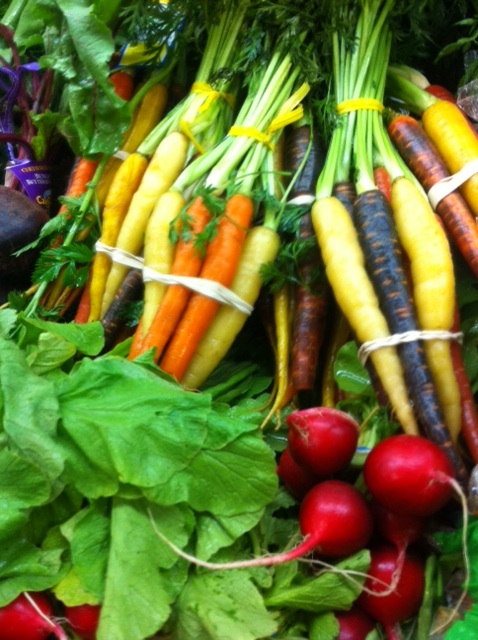
Organic heirloom carrots & radish!

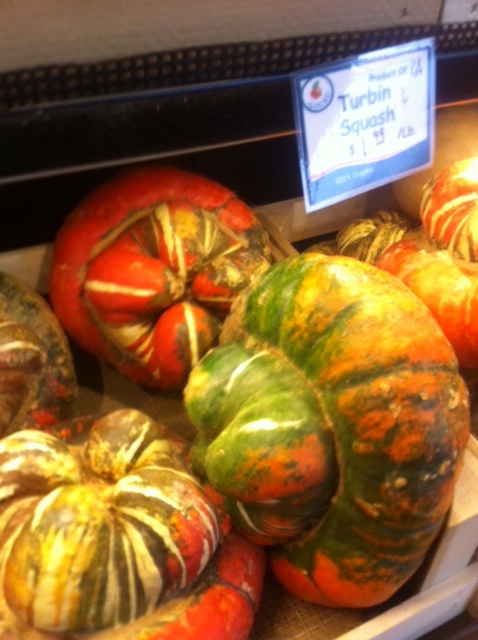
turbinsquash

Organic Turbin Squash!

As always, we’ll have a 100% certified organic Produce section (of course, you know we’re a little nutty about this, and we care for our produce like no other grocer).

In addition, discriminating foodies will find locally-raised, drug-free eggs; certified organic milk from PA farms at great prices; locally-raised grass-fed and organic meats in artisan cuts; hand-crafted local baked goods, and snacks. Not to be forgotten, we’ll have our usual mind-boggling display of artisan cheeses, with emphasis on organic and local picks. We’ll have the fantastic array of fair-trade, organic, local, shade-grown and/or bird-friendly coffee beans (grind to your preference, in-store) that our customers have come to love.

For those seeking natural health products like therapeutic herbs, homeopathy, essential oils, and natural and organic bodycare and cosmetics, our Wellness department has a huge selection!

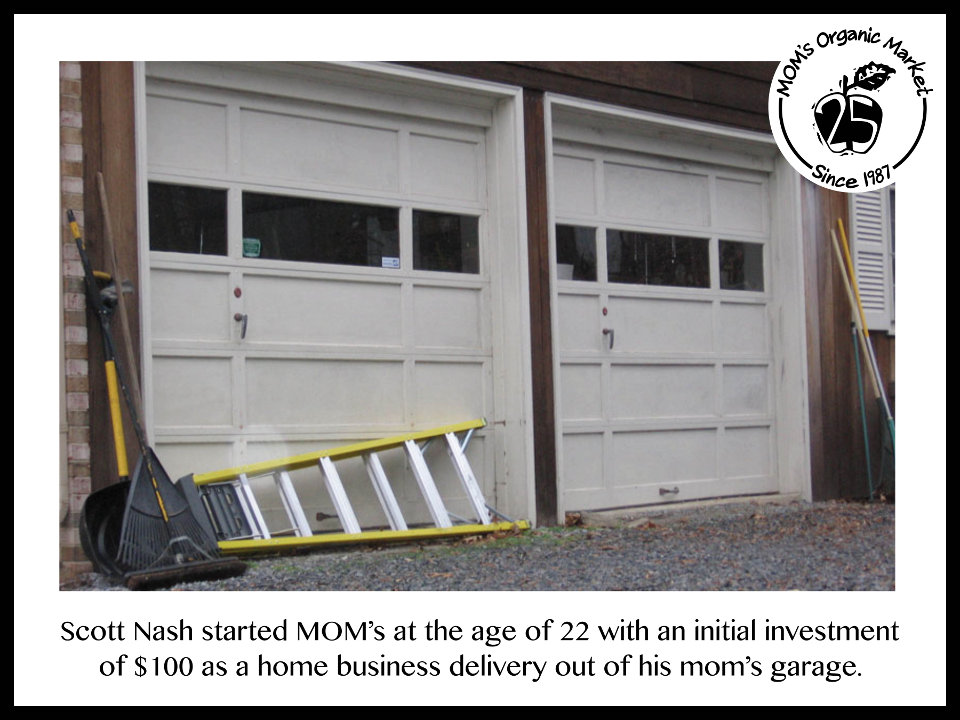
Scott's Mom's garage, where MOMs story started 25 years ago!

Scott’s Mom’s garage, where MOMs story started 25 years ago!

Neighbors: Peace-a-Pizza & Hope's Cookies!

Neighbors: Peace-a-Pizza & Hope’s Cookies!

Comparing prices!

Comparing prices!

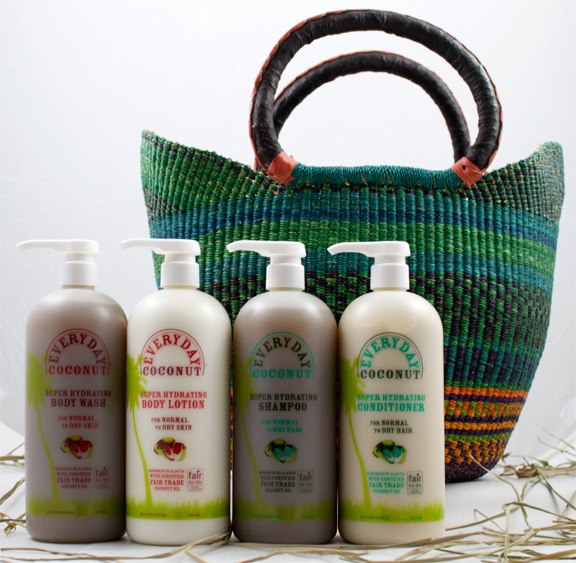
A fairtrade favorite: Everyday Coconut!

A fairtrade favorite: Everyday Coconut!

While I’m at it, let me remind of the singularly most important thing about shopping at MOMs: our mission is to protect and restore the environment.

Every dollar our customers spend with us helps us do this important work. Whether you consider our sourcing sustainable seafood, our banning bottled water, our purchasing of windpower to cover 100% (or more) of our stores’ electric usage, or our obsessive commitment to reducing waste and supporting composting, you know you’re doing the right thing just by walking in our doors.

MOMs couldn’t expand into this neighbor-region if it weren’t for the solid foundation of customers who’ve supported us for so many years already. We are truly grateful for you all! [By the way, we don’t have memberships – when you visit us, you belong, and we’re just happy you gave us a shot!]

Hope to see you at grand opening
Feb 21 through Feb 23, 9 am to 9 pm
Tweet us a photo of your favorite thing @MOMsOrganicMrkt!

Bryn Mawr MOMs before our sign was up - but the jet stream marks the spot!

Bryn Mawr MOMs before our sign was up – but the jet stream marks the spot!

Alyssa works at multiple MOMs locations.

Posted in Family, Green Careers, Local, News | Tagged , , , , , , , , , , , , , , , , , , , , , , , , | 1 Comment

Where No MOM’s Has Gone Before!

Hello from Bryn Mawr, Pennsylvania!

BRBR1

The teams are hard at work getting MOM’s newest location ready for inspections and deliveries.  Staff have begun their training program and the store is full of hustle and bustle!

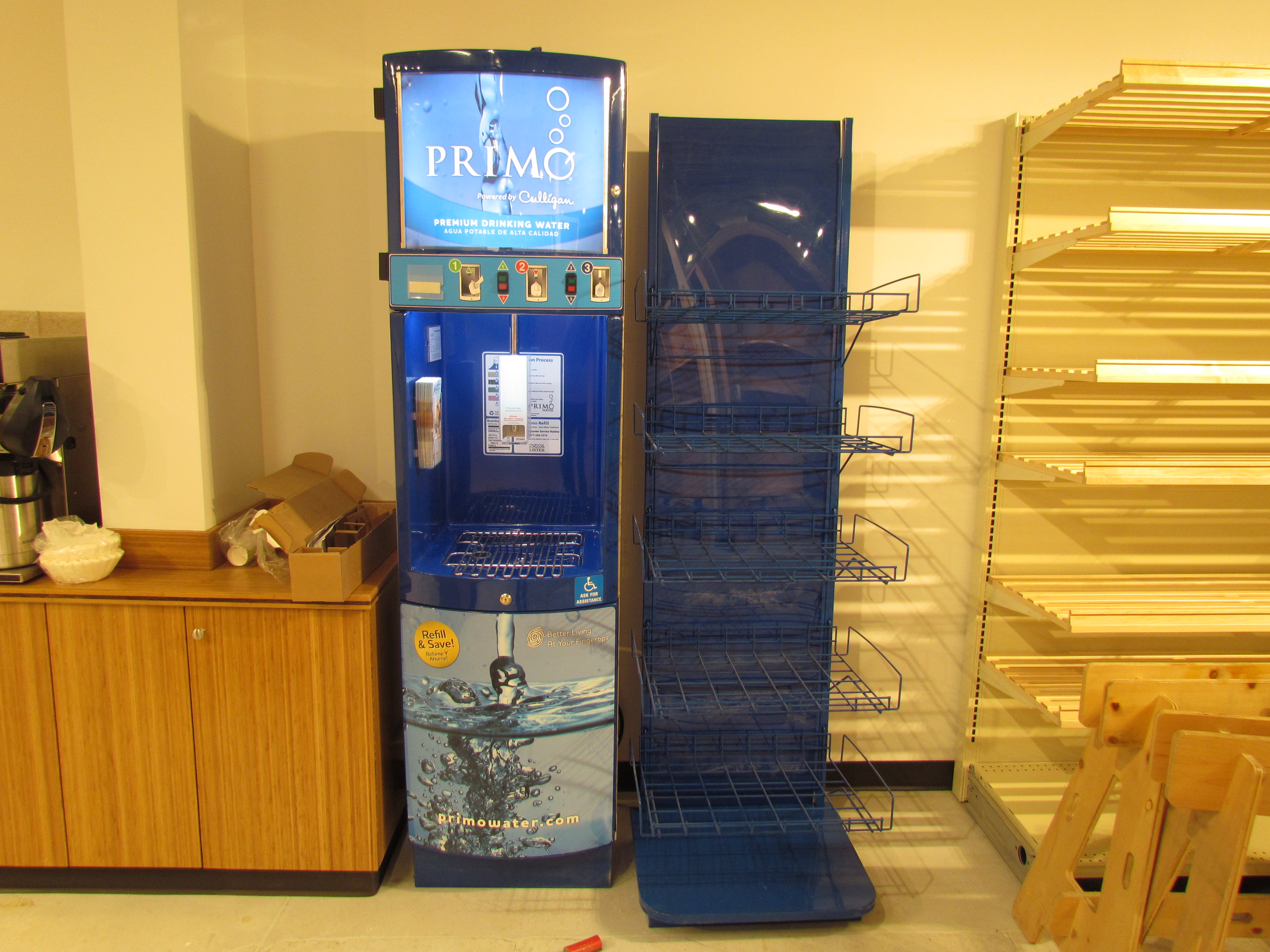
BRprimoBRwaterOne neat feature of the store is this sweet filtered water fountain that tracks how many disposable bottles are eliminated from the waste stream.  Since recently being installed, we are already at 173.  Ban the Bottle, folks!  We made the commitment to stop selling bottled water in 2010 and have been “bottle-free” since.

The Primo water machine is installed and running.  This is filtered water available for 39 cents per gallon (the first gallon always being free!). We will have a great selection of water filters and reusable water bottles for sale, including our custom Klean Kanteen.


Krista works at multiple
MOM’s locations.

Posted in Employment, Green Careers, Organic Food | Tagged , , , , , , , , , | Leave a comment

The Faces Behind Our Food

I have been working at MOM’s for exactly five and a half years, and throughout my time, I have become a conscious consumer who reads labels, goes for organic and fair trade and buys in bulk. But there is an element to consumerism that has just been uncovered to me on a recent journey to Nicaragua with Mayorga Coffee. This element is greater than cost, labels and environmentalism. This is what I believe to be the most forgotten element in consumerism, but is the greatest key to maintaining sustainability and environmental stewardship. It is humanity.

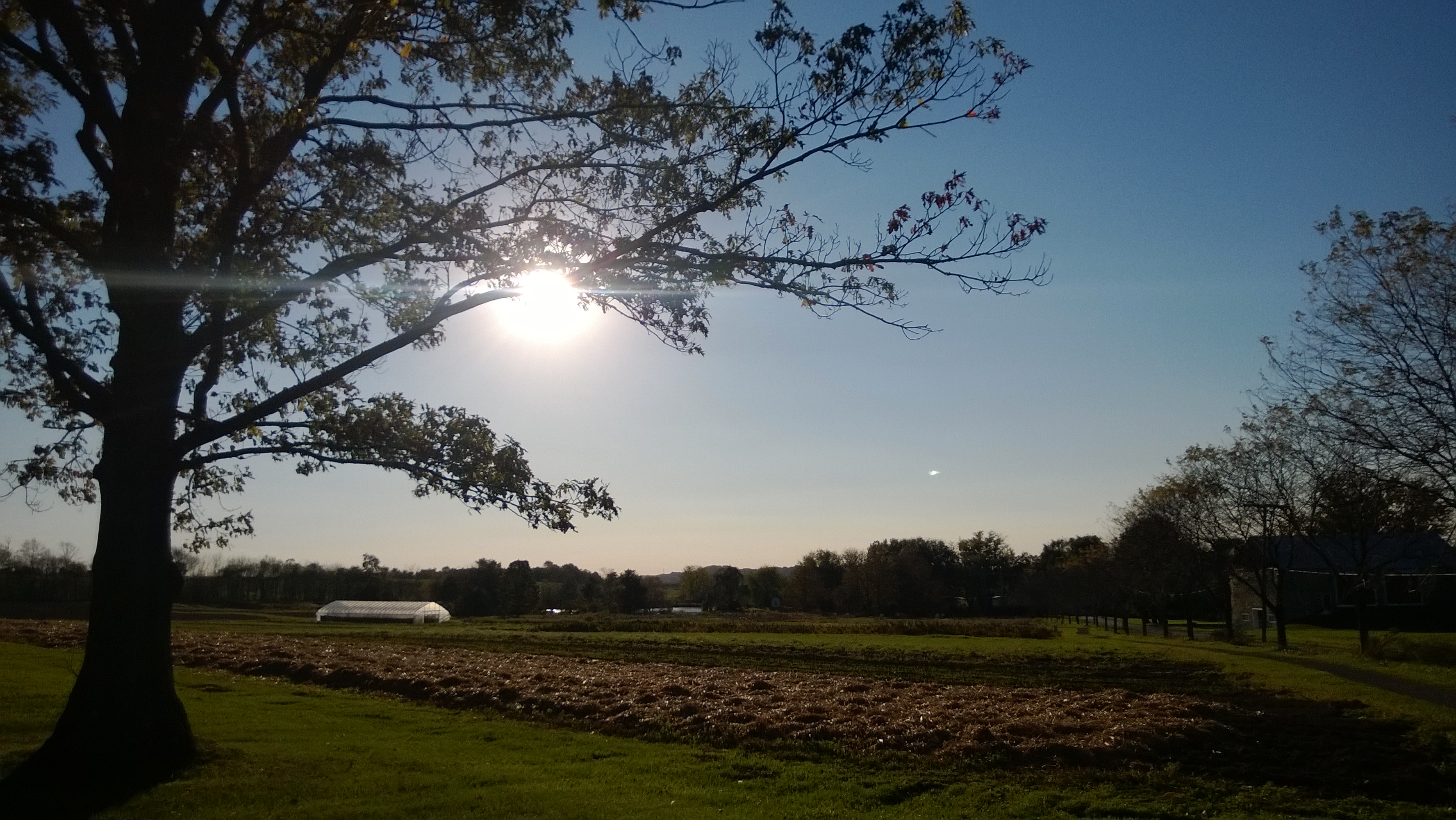
organic farming - Rodale Institute

organic farming – Rodale Institute

MOM’s is a natural foods store. We carry spectacular products made with high quality ingredients. We are intentional about our product selections and put much thought into choosing products that we will carry on our shelves. We work with many local producers. We have a fantastic local produce buying program where we work directly with farmers to bring their product to our stores. We carry products with labels such as “USDA Organic”, “Fair Trade”, “Rainforest Alliance Certified”, “Grass-Fed”, or “Free Range”. Our seafood is sustainable. Our produce is all 100% certified organic no matter what day or what time. We don’t carry meats that were raised with the use of hormones or antibiotics. Our brand name milk is a high quality, organic, grass-fed milk pasteurized at the lowest temperature possible to preserve flavor and beneficial enzymes. We sell some fantastic products and support some great companies striving to do the right thing.

One of the biggest questions I get asked not only when working in the stores, but also in my every day life, is basically this: Why does it cost so much? Why does it cost so much to be a conscious consumer who supports organic products, environmentally friendly products, sustainability, worker/animal welfare and fair trade?  The simple answers are that it costs money for certifications, it costs money to pay people better, it costs money to use sustainable packaging, it costs money to pay labor to raise animals by hand, it costs money to pay the business side of things, and it costs money when a farmer is not receiving assistance or subsidies of sorts. While all of those are accurate reasons for higher costs, I believe we need to dig a little deeper. I believe that the higher costs are associated with benefits to humanity. The costs are associated with real people, people just like us, not only trying to make a living, but also working hard to maintain environmental stewardship in a system unsupportive of such efforts.

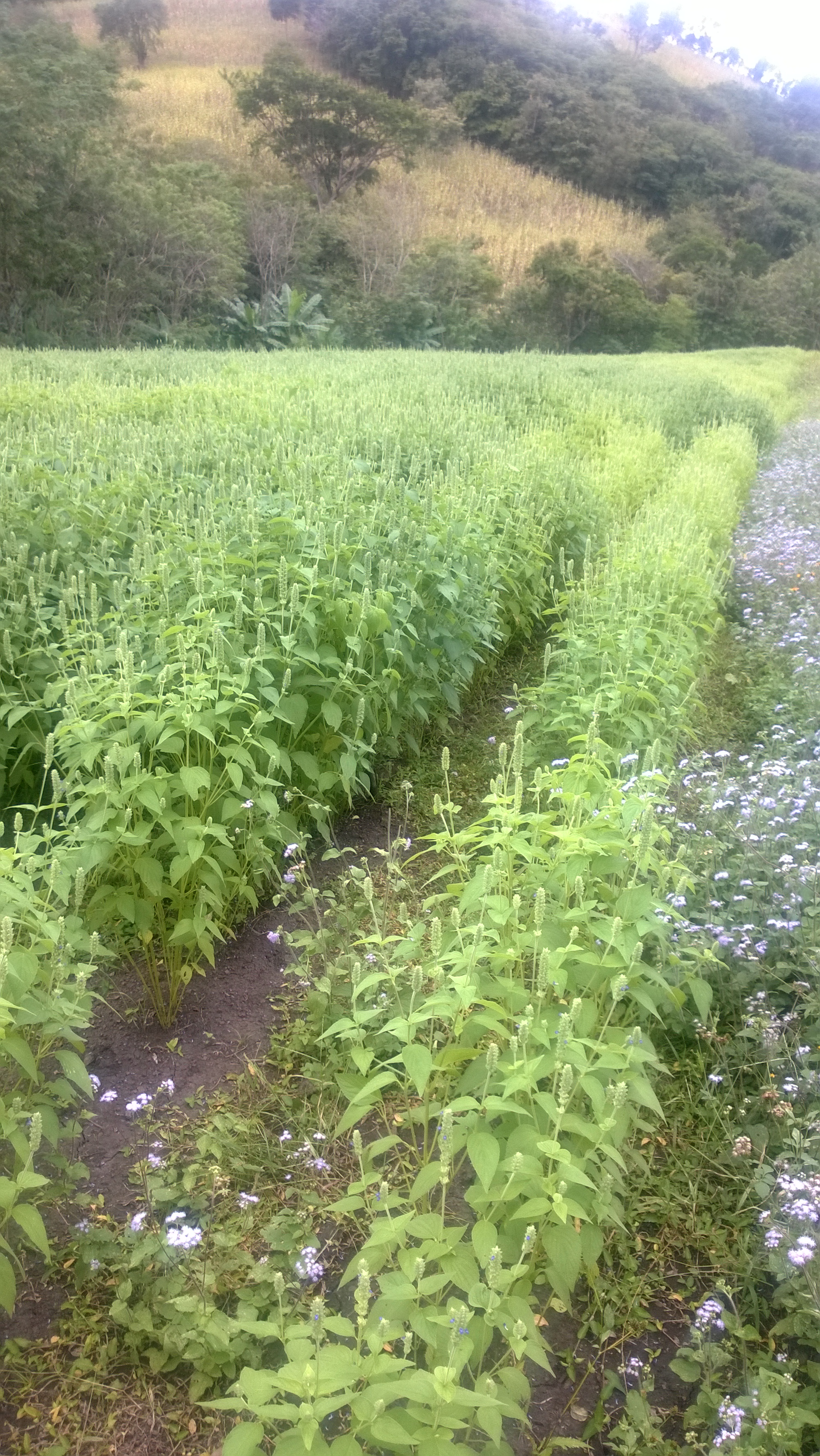
organic chia farm - Nicaragua

organic chia farm – Nicaragua

Growing organically is not easy. Rather than jump to the medicine cabinet for the treatment that will fix the plant disease or bug infestation, the organic farmer is constantly looking for another solution. An organic farmer looks for the remedy in biodiversity, crop rotation or geographical measures. The organic farmer learns that nature works together in a perfect harmony and does not need to be controlled synthetically. The organic farmer works to not only preserve the land he is given, but he also strives to improve it. Is this as easy as mono-cropping, using genetically modified seeds, and dumping synthetic fertilizers and pesticides? Ask any organic farmer and they will undoubtedly tell you that organic farming is hard, honest work. They deserve to be paid for producing good food and preserving our precious land.

The EPA states that “Sustainability is based on a simple principle: Everything that we need for our survival and well-being depends, either directly or indirectly, on our natural environment. Sustainability creates and maintains the conditions under which humans and nature can exist in productive harmony, that permit fulfilling the social, economic and other requirements of present and future generations”.
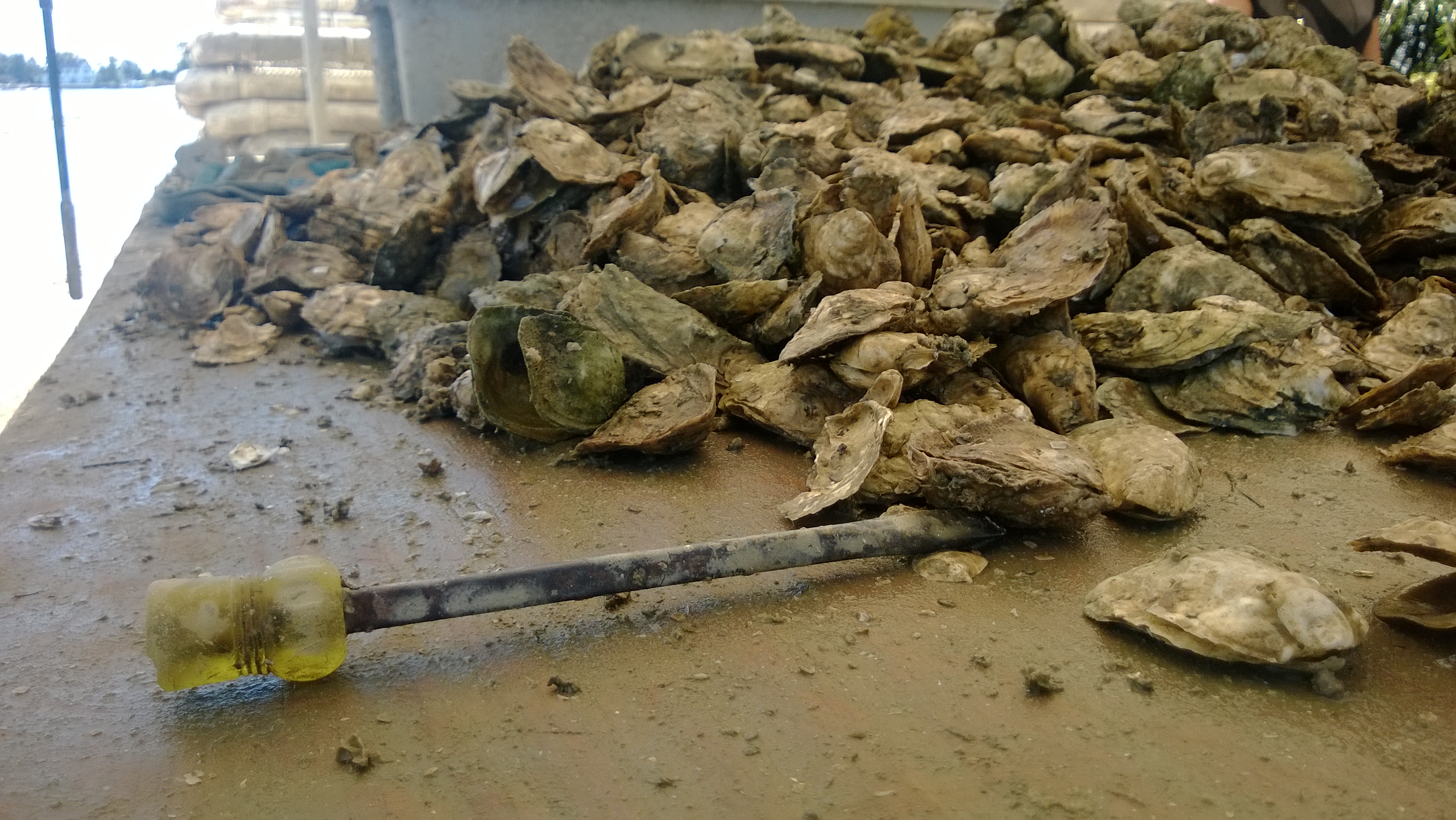
sustainable seafood - Choptank Oyster Co

sustainable seafood – Choptank Oyster Co

For example, when we purchase products like sustainable seafood, we support a way of fishing that does not put that fish species at risk, nor does the fishing cause disruption to the natural ecosystem by destroying the underwater environment or pulling unnecessary by-catch. Pole fishing is much harder work than bottom trolling, and honest fisherman are finding it harder and harder to catch anything due to the oceans being intensely overfished. They deserve to be paid for their hard work and patience doing the right thing in maintaining our oceans.

Whenever I walk onto an organic farm, I am blown away at how abundant and diverse nature is, and it all has a purpose in working together to maintain sustainability. Farmers rely on nature and it’s natural functions for their farms to be successful.  I remember standing in a cow pasture at Polyface Farm listening to Joel Salatin ask a 7 year old girl: “If cows are herbivores and are supposed to eat plants, why are we grinding up dead cows and feeding them to the live cows for food?” We cannot be a sustainable species if we are not conscious about the way we treat our natural environment and that which provides us with sustenance.  The farmers respecting the environment and working towards soil, animal and food preservation deserve to be paid. What will we be eating in 100 years without those ethical farmers?

Media and environmental groups spend a lot of time talking about animal welfare and how cruel the industrial farming system is to the animals involved. I’ve been to the famous Farm Sanctuary and witnessed the beautiful personality of farm animals. And yes, I agree wholeheartedly that industrial farming is a saddening system with troubling environmental impacts. I also agree that using pesticides is damaging to the environment and is loading up our soils with harmful chemicals. I question whether we should be using GM (genetically-modified) crops without truly understanding the holistic impacts, and it does cost more to purchase alternatives. But what is more important than the above is the safety and welfare of the farmworkers and the producers. Industrial meat processing facilities pose great health risks to the workers. Constant exposure to pesticides put workers’ health at risk. (I read a statistic that 300,000 farm works die every year due to pesticides. In the book Tomatoland, I learned that exposure to pesticides caused women to have babies born with deformities. In the film Bananas, I learned that some farms use airplanes to spray pesticides over the banana farms with no regard to the workers below.) The truth is that many products we consume are produced irresponsibly, rob cities and countries of resources and exploit people for work. Fortunately, the Rainforest Alliance and Fair Trade labels protect workers from the exploitation commonly found in industrial scale food production. Unfortunately, those not working under a label are not guaranteed fair payment and working conditions.
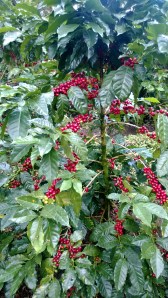
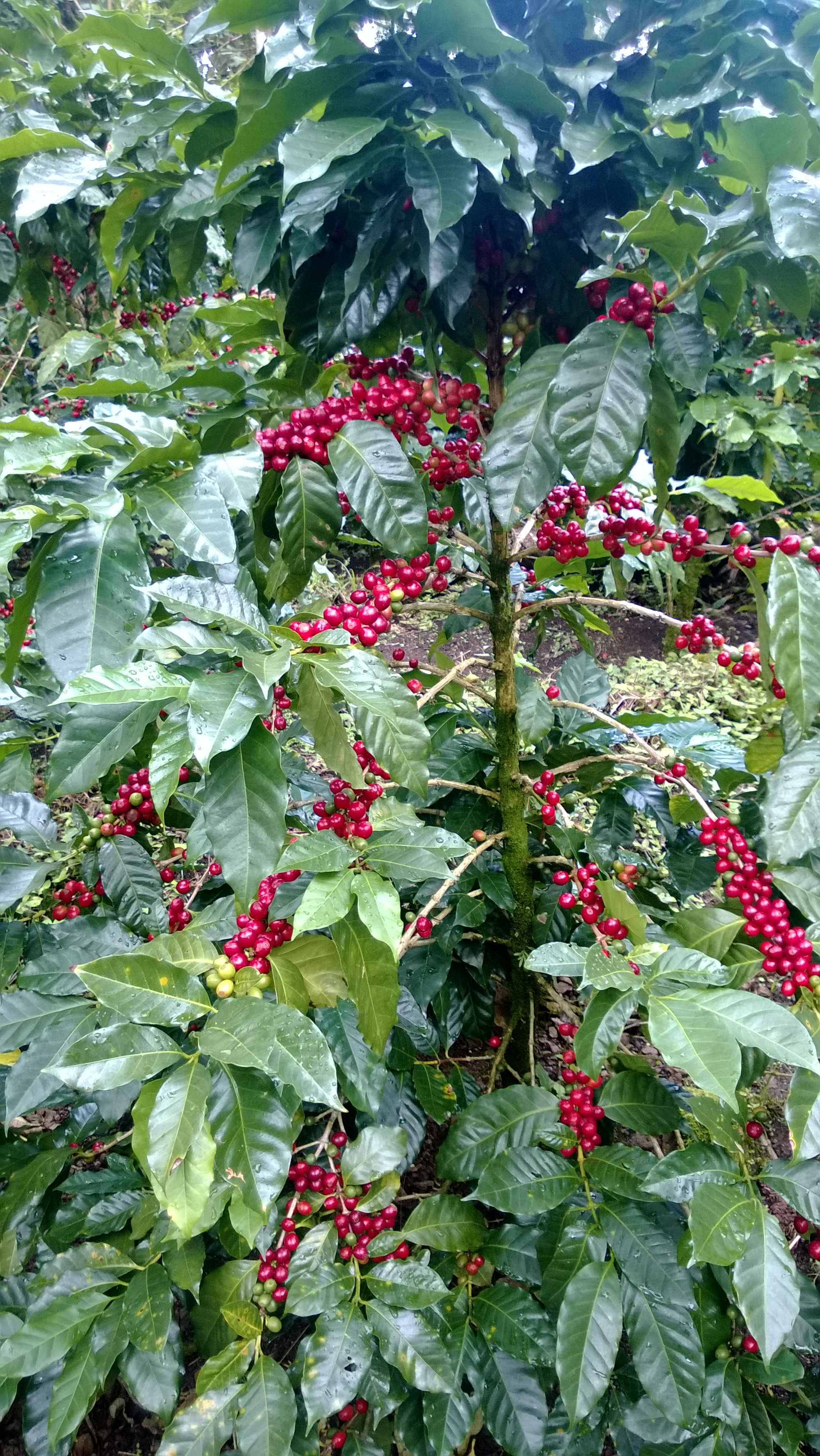
organic coffee - Nicaragua

organic coffee – Nicaragua

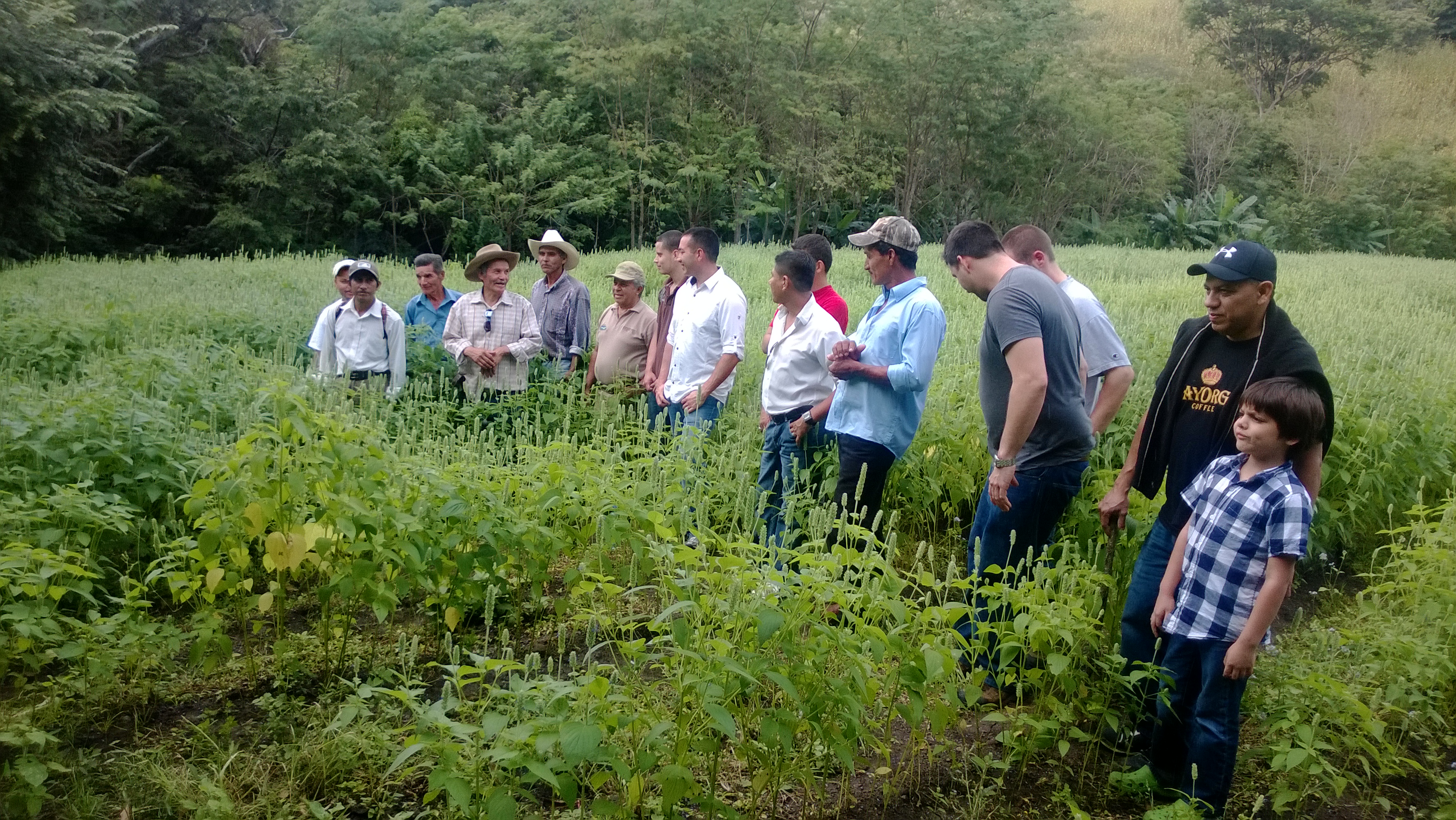
Last week during my time in Nicaragua with Mayorga Coffee, we visited a chia farm. This is a new project designed to give the coffee farmers another source of income beyond coffee. The chia field was located at the bottom of an incredibly steep hill, the path filled with rocks that only increased the challenge of the trek. It was easily a 15 minute hike each way. On the way back up, in between breaths, I asked one of the Mayorga staff if the farmers had to carry the chia up this hill once harvested. He said yes, and mentioned that the coffee was even further down than the chia field was. He went on to say that people should think about that next time they want to complain about the price of coffee. Wow- I couldn’t agree more. These farmers deserve to be paid very well!

We are a society with a one sided view on food. We go to the grocery store, buy what’s on sale, eat the food and that’s the end. We drink our cups of gas station coffee, eat our cheap fast food and buy the 30 cent per pound bananas. But how often do we stop and think about the source of all the products we enjoy- the farmers and producers? How often do we think about the toll on the natural environment? How often do we think about what the future generations will be left with? How often do we think about the farmers behind our plate?
Mayorga staff, coffee and chia farmers - Nicaragua

Mayorga staff, coffee and chia farmers – Nicaragua

When you think about the social and environmental factors that contribute to food production, it seems that food, label or no label, is too cheap. We have forgotten the faces behind the food, the people just like us working hard to make a sustainable living. How much should we pay for someone else to carry our coffee up a steep rocky hill every morning? How much should we pay someone else to spray pesticides on our tomatoes? How much should we pay someone else to raise and process our meat? Yes, being a conscious consumer does cost more upon first sight. But when considering the social and environmental impacts, the cost is well suited.

Krista works in multiple MOMs locations.
Posted in Book/TV/Movies, Ecology, Organic Food | Tagged , , , , , , , , , , , , , , , , , , , , , , , , , , , , , , , , , | 6 Comments