
#InsteadofStuff

booktreeThe holidays are upon us!

Snow-flake and wreath decorations started cropping up in October, and we knew what that meant: get your wallets.  The most consumptive (and possible least eco) time of year was coming!

The problem isn’t giving.  Generosity and giving are wonderful things.  It feels good to give, especially when you have just the right idea.  Other features of the holidays are lovely, too: coming together with family, sharing food, seeing The Christmas Revels or Brookside Garden’s holiday lights.  There’s lots to celebrate: Hanukkah, Kwanzaa, Christmas, Solstice, New Years.  What’s not to enjoy?

Well… maybe all the stuff.  And the pressure and expectation of giving not just one or two thoughtful gifts, but many things to many people!  When did gift-giving go from being joyful to being stressful?

coffee sleeve wreathIt makes me sad that the national holiday devoted to giving thanks (already complicated by US history with Indigenous Americans) has been co-opted by Black Friday, which now starts as early as 5:00 pm on Thanksgiving.  The winter holidays too have become enormous sales and marketing opportunities for every retailer imaginable.

As we know, most gifts  take energy and water to produce, to transport, and to display.  The most affordable ones are often cheaply made and quickly break, ending up in landfills.

Yet this is not a call to ban gift-giving and avoid holidays!  There are numerous ways to celebrate this time of year and to give without participating in rampant consumption:

  • Home-made OrnamentsSherry of Young House Love shared the how-to for her home-made tree ornaments this year – made from a repurposed fallen tree branch!
  • Chores: one year my sister gave me a week off of doing dishes.  I enjoyed every minute I spent not cleaning up after dinner.
  • Pictures: and not just photographs.  Buy some frames at the thrift store (reuse!) and have your kids or yourself create a picture to fit the frame.
  • Dates: take your friend, parent, or family member on a date.  To dinner, a movie, play, concert, hike, wine tasting, paint nite, class… the options are endless.
  • Cook for people: I can think of lots of people who would be thrilled to have a week off of cooking dinner.  This could be for a family member or friend!  Imagine how nice it would be if a friend cooked and brought you dinner every night for 1 week.  It would be a lot of work, but only for seven days.
  • Sweets. ’tis the season!  Gluten-free Mexican wedding cookies.  Peppermint bark.  Vegan and gluten-free pumpkin cake pops.
  • Free Babysitting: got nieces and nephews or friends with young kids?  Enough said. 
  • CSA Shares: offer to purchase or split a CSA share and to deliver.  Who wouldn’t love regular fresh produce delivered to their house by a friend?  Sign up at MOM’s through early January!
  • Charitable Donation: in a loved one’s name.
  • MOM’s gift card:  grocery shopping is an integral part of the routine, and what a treat for someone else to pay.
  • Plants:  poinsettia’s are popular this time of year, but lots of house plants are pretty, good for air quality, and easy to care for.  Some can be planted in the yard come spring, too!

Got ideas?  Leave a comment!  Visit Green America for ideas to go green this season, check out #InsteadofStuff on Twitter, and MOM’s Pinterest for more.
Posted in Children, Family, Holidays, Reuse | Tagged , , , , , , , , , | Leave a comment

Change Your Scenery

If you had told me, when I started in the natural health field at 19 years old, that one day I would be traveling to faraway lands for my job, I would’ve laughed. Then I would’ve finished pricing my products with a little handheld stickering gun, now a relic of the retail past, and moved on to change the tofu water in the bulk bucket.

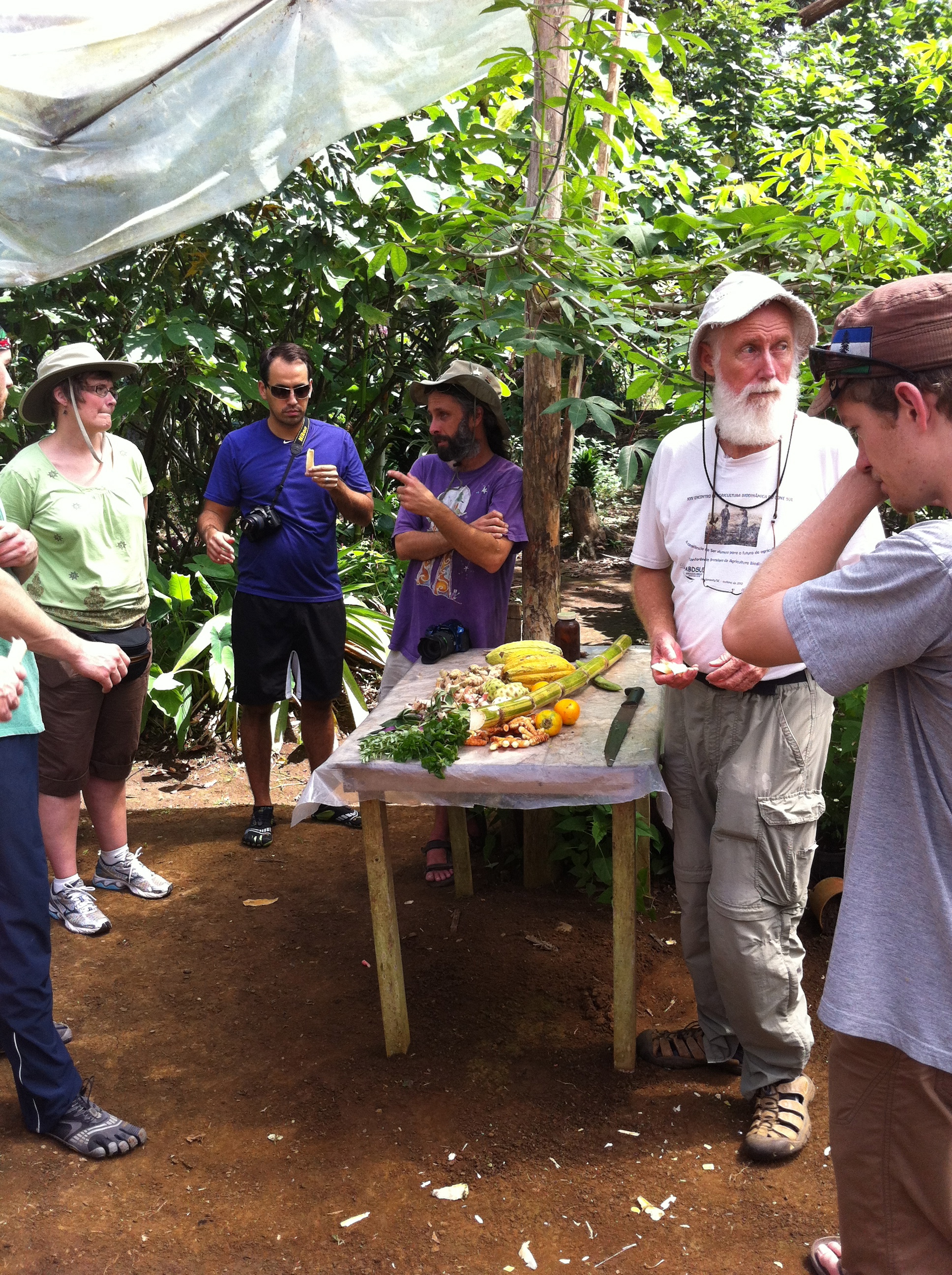
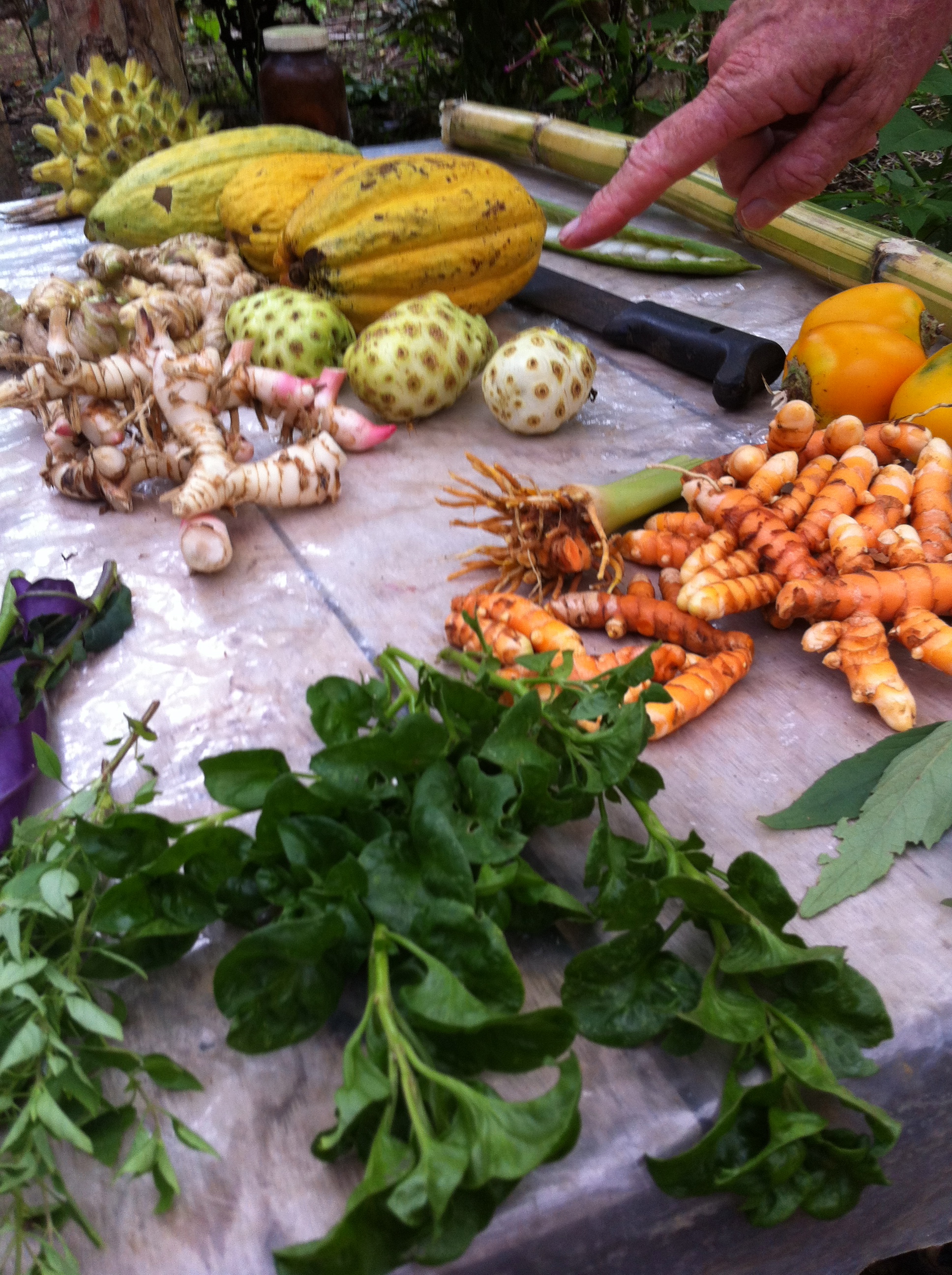
However, this year the retail gods and goddesses bestowed upon me a lucky opportunity to travel to Costa Rica for a four day tour of a biodynamic farm and eco-resort. The farm is supported by purchasing of turmeric and ginger, and general funds given by an important non-GMO organic supplement brand: New Chapter.

Now I’ve done some traveling, but I’m not exactly Anthony Bourdain over here.

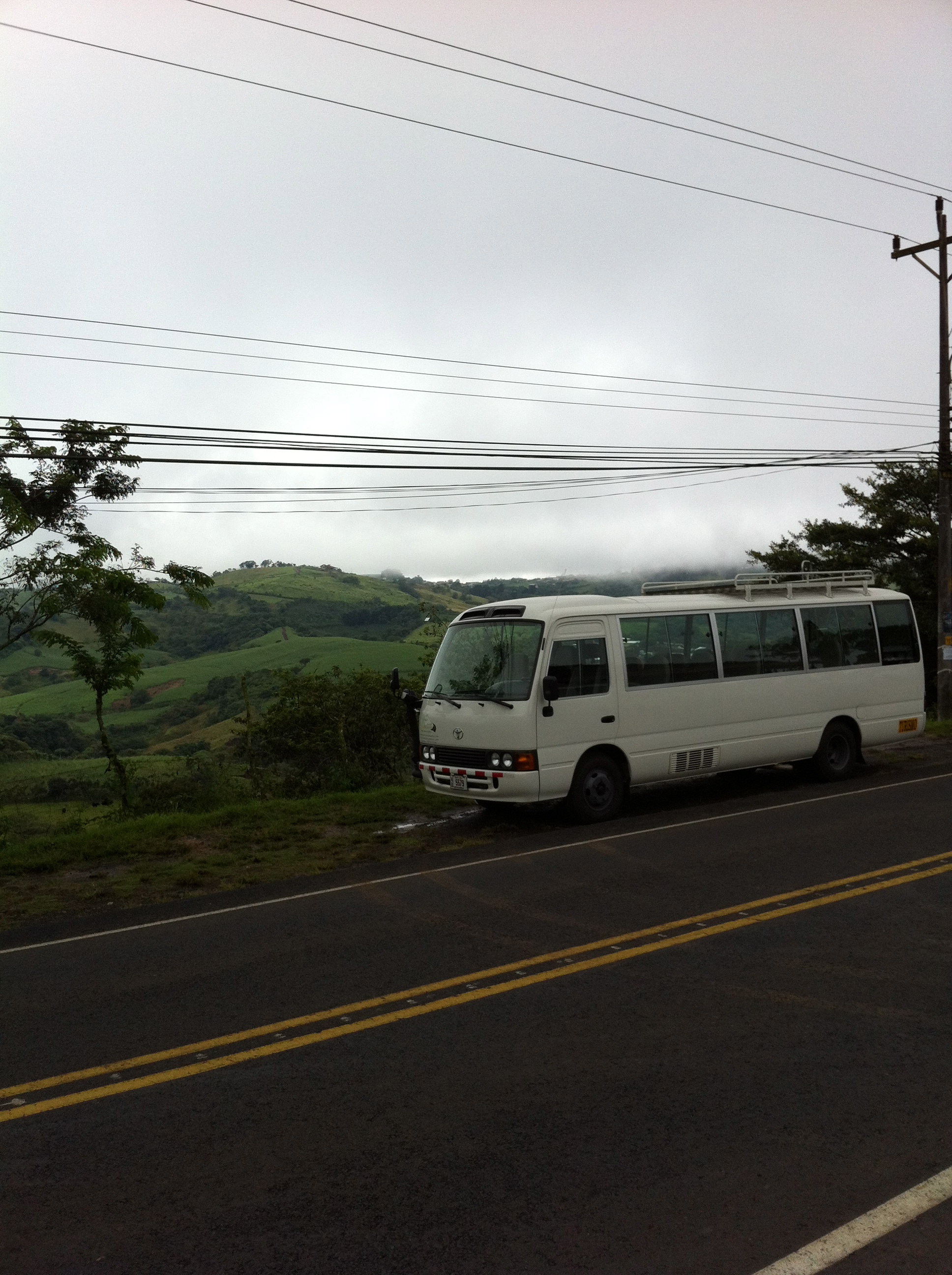
Traveling internationally is still a hair-raising and exciting challenge in and of itself. The flights were easy, and customs was painless, and I found my guides easily and jumped onto the mini-bus that would take us (a small group of retailers from around the country) to Finca Luna Nueva, about 2.5 hours from the airport.

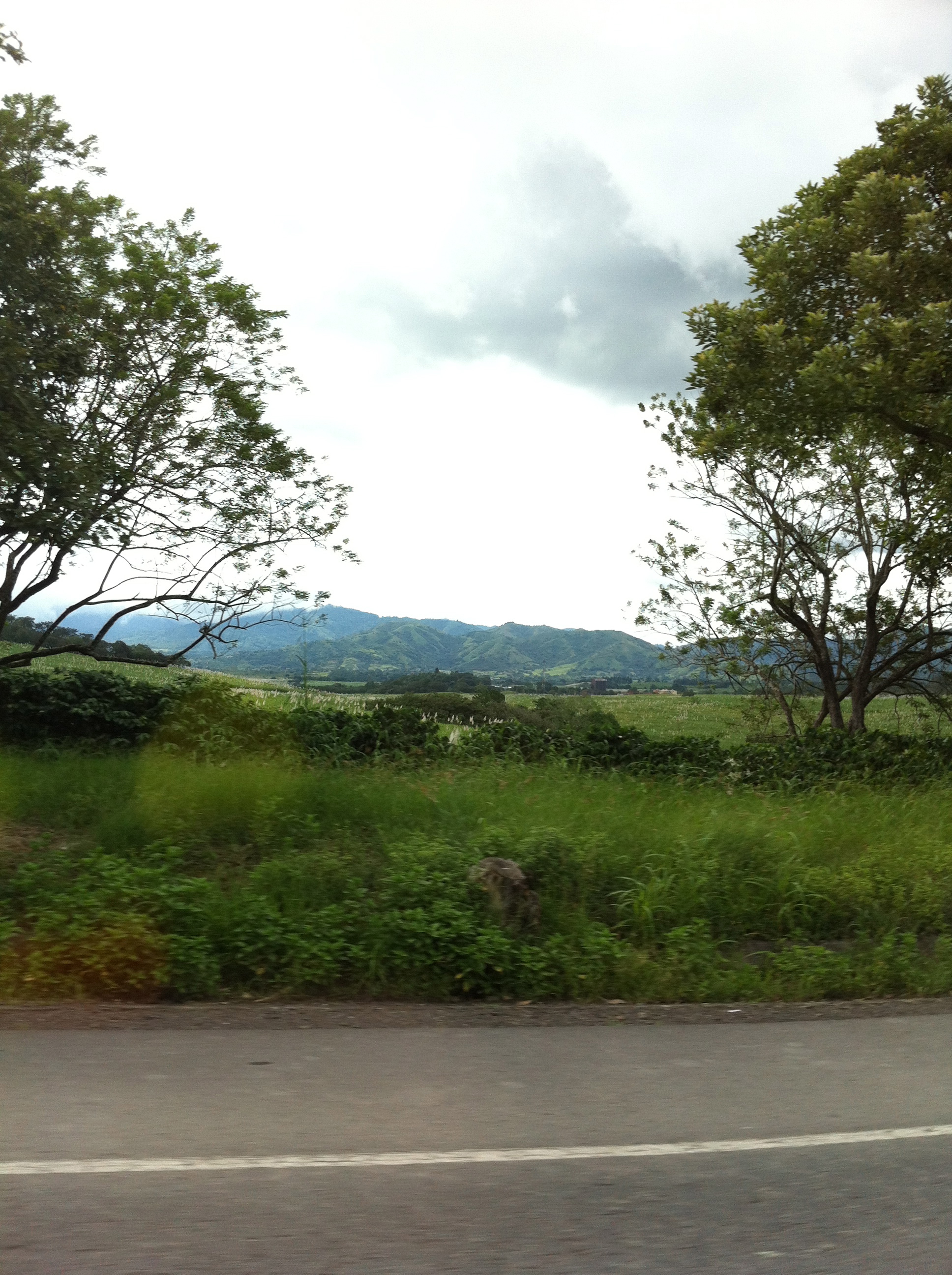
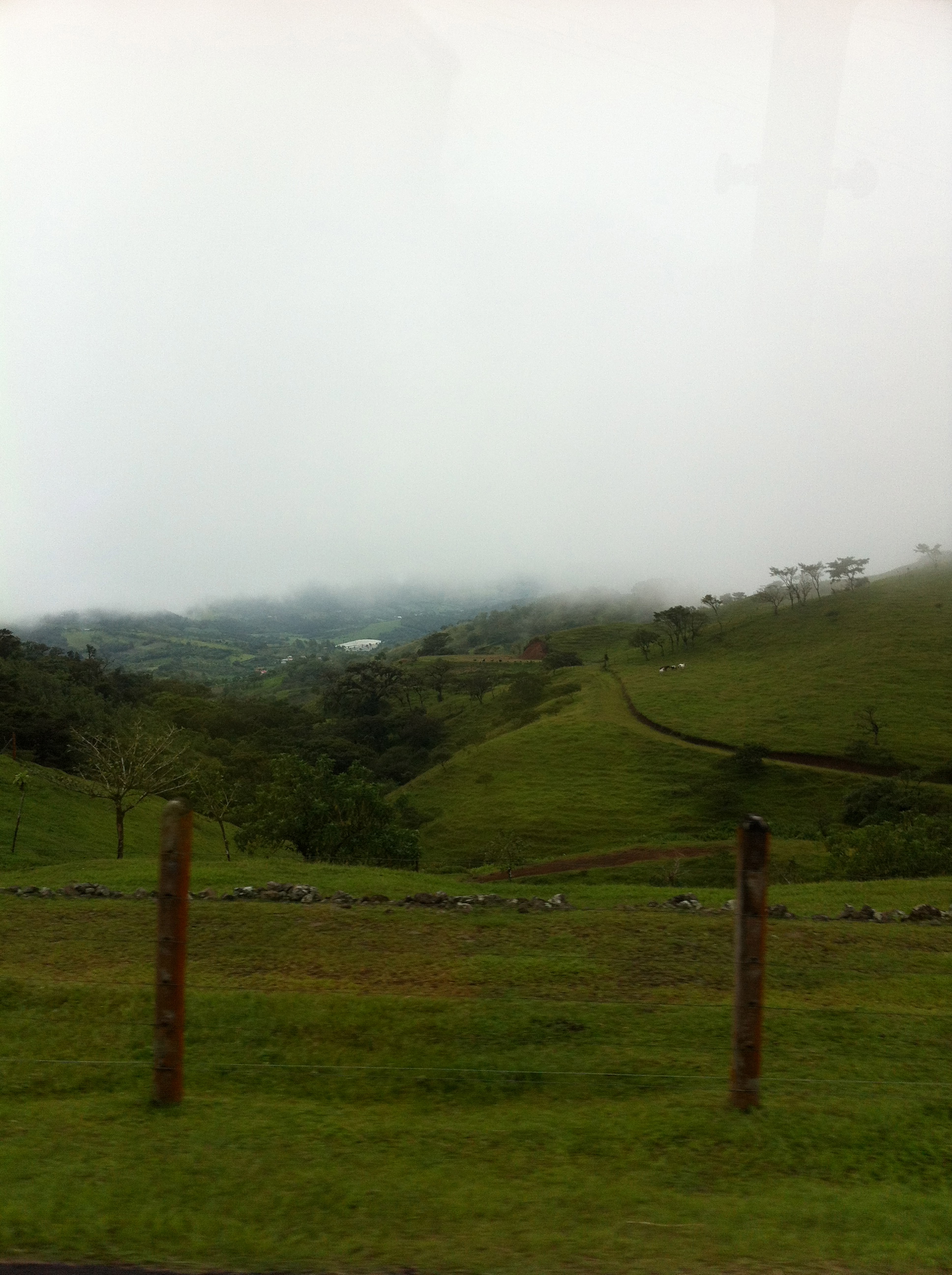
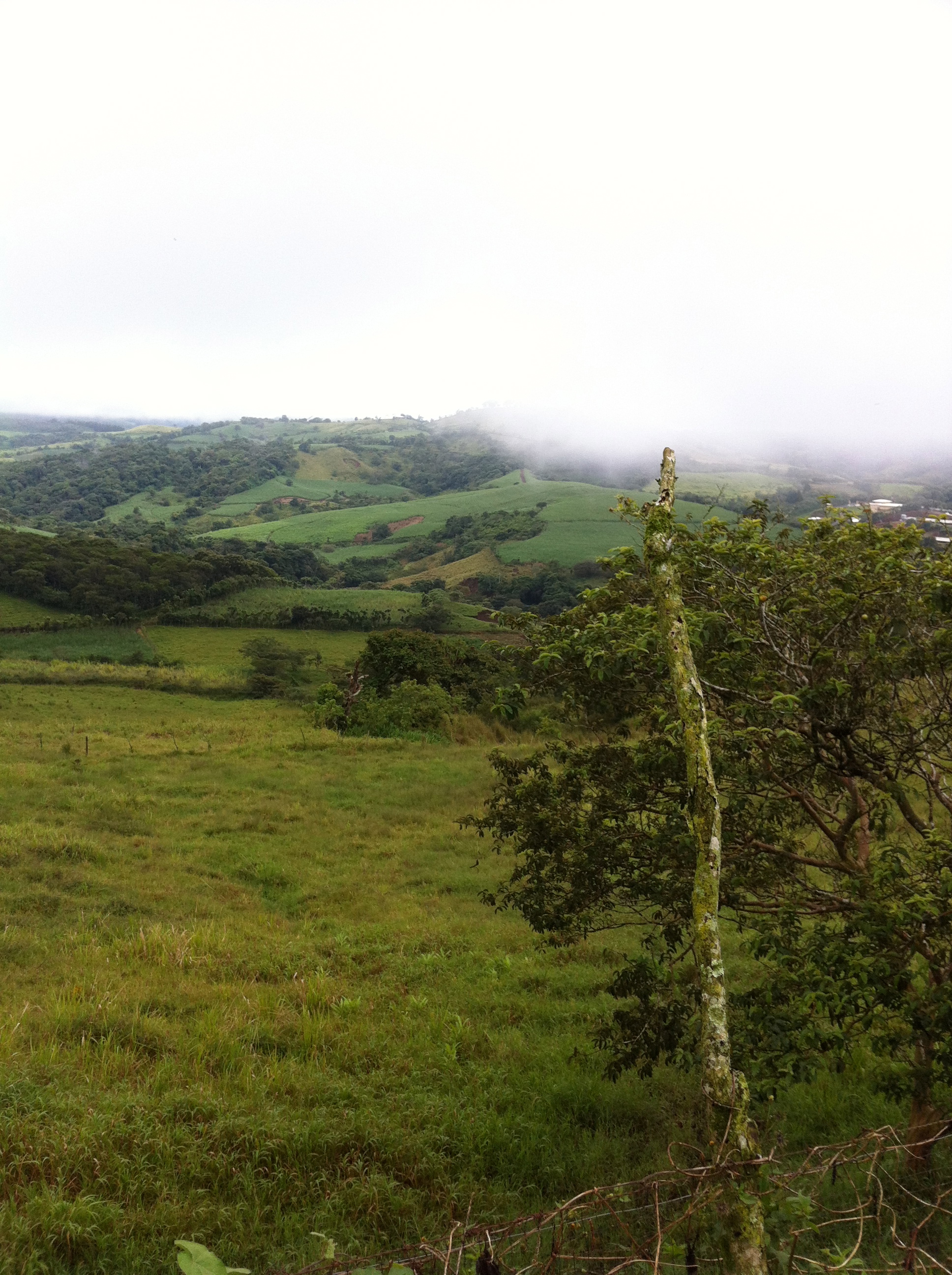
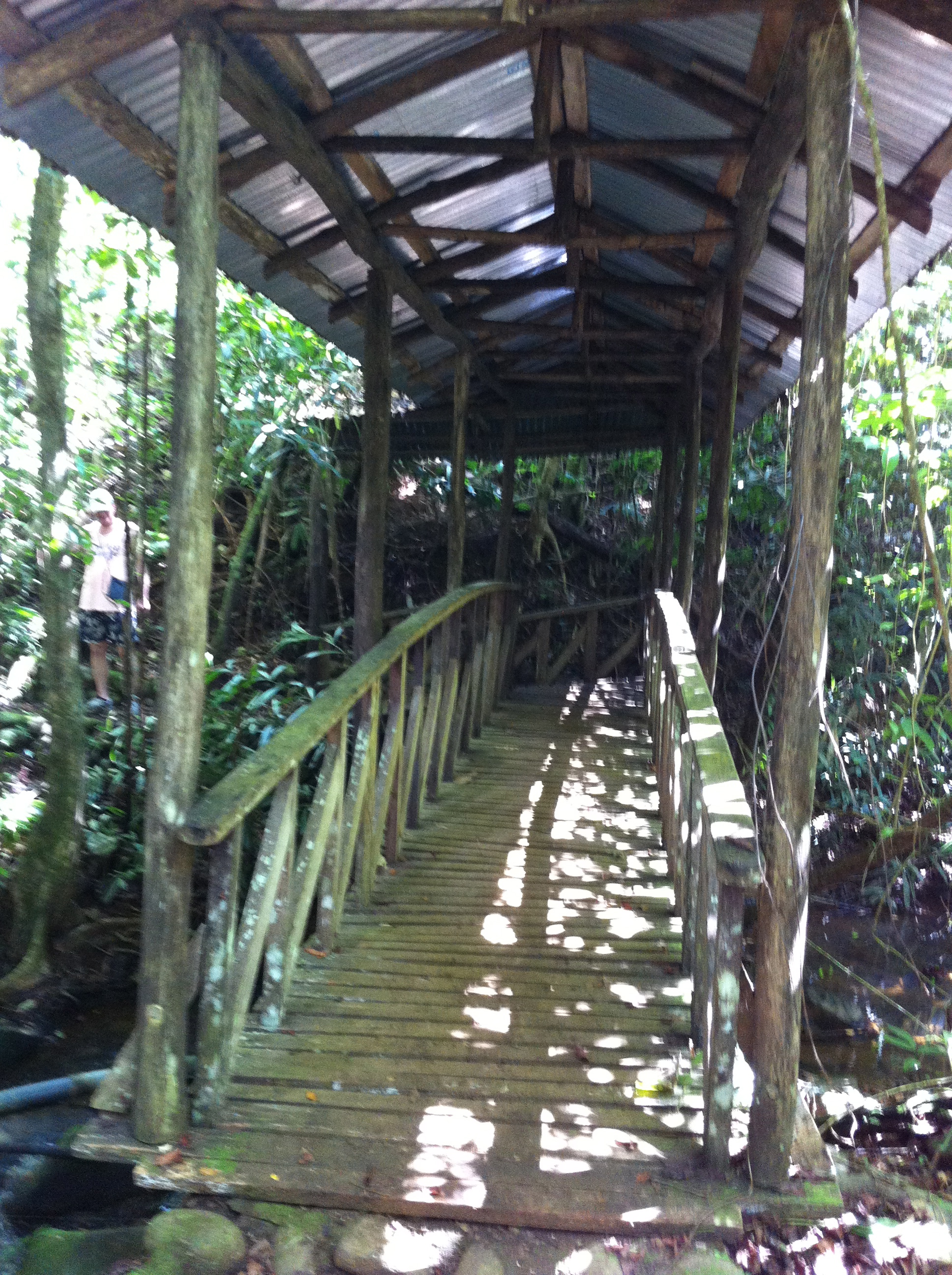
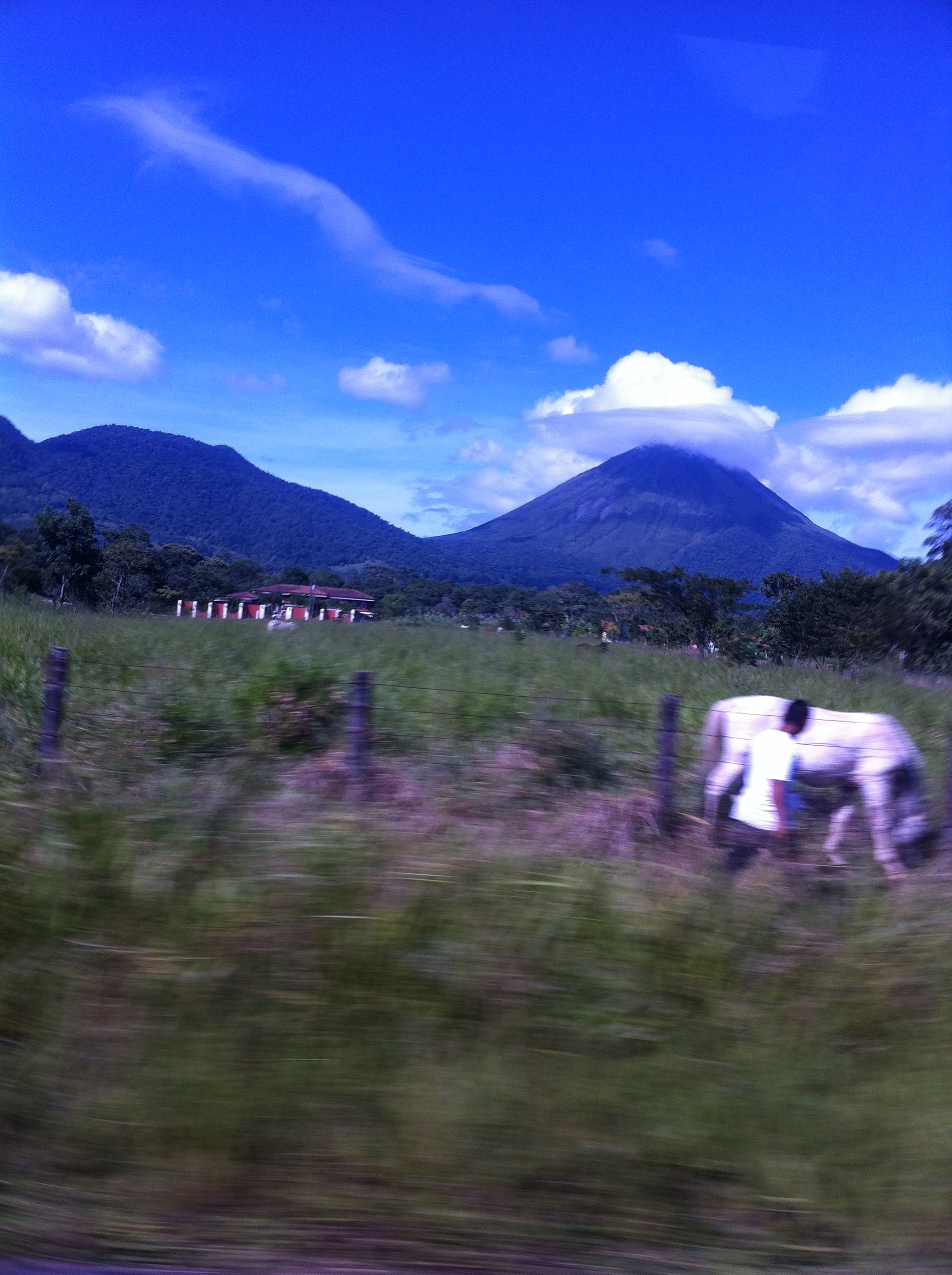
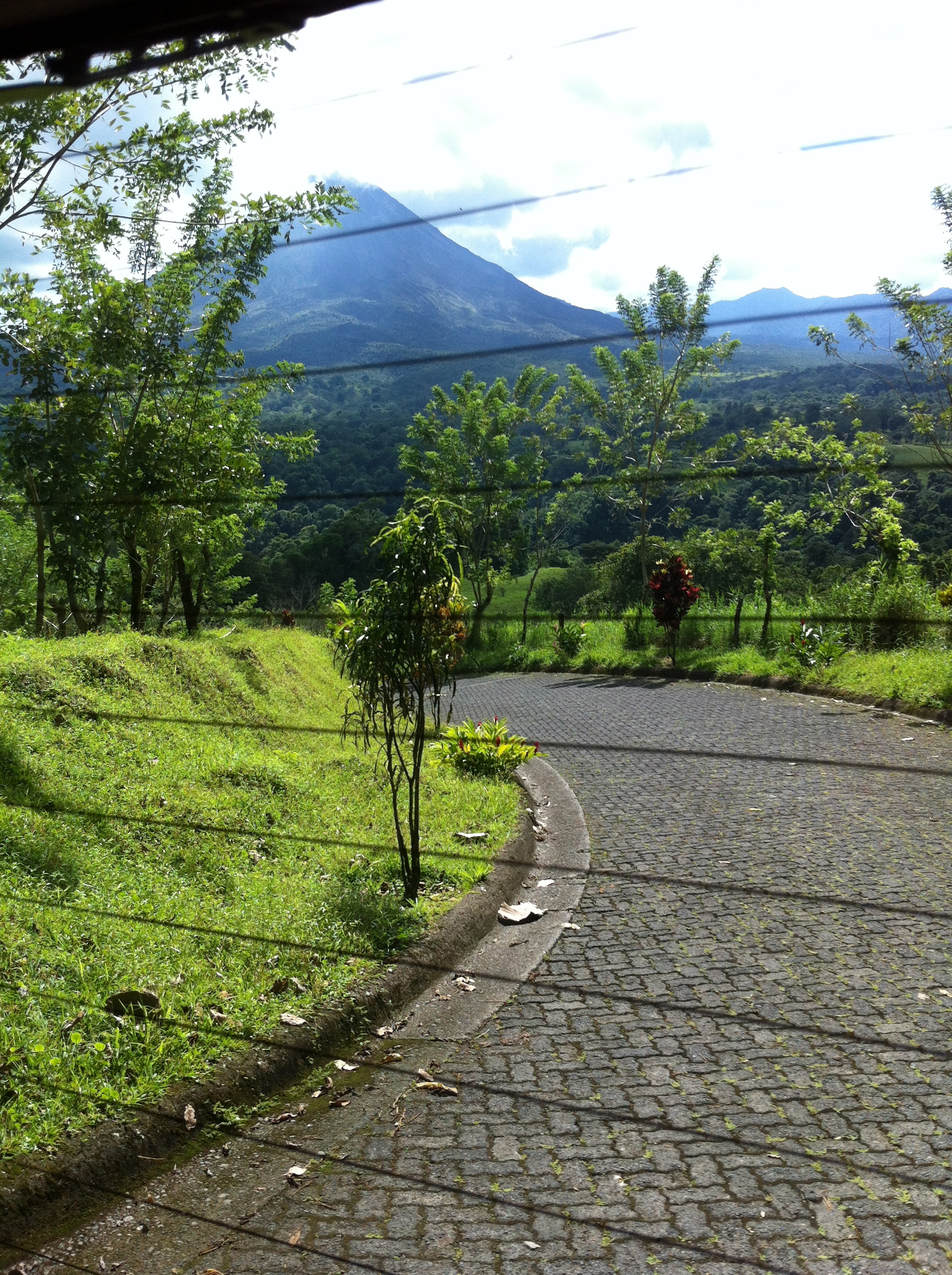
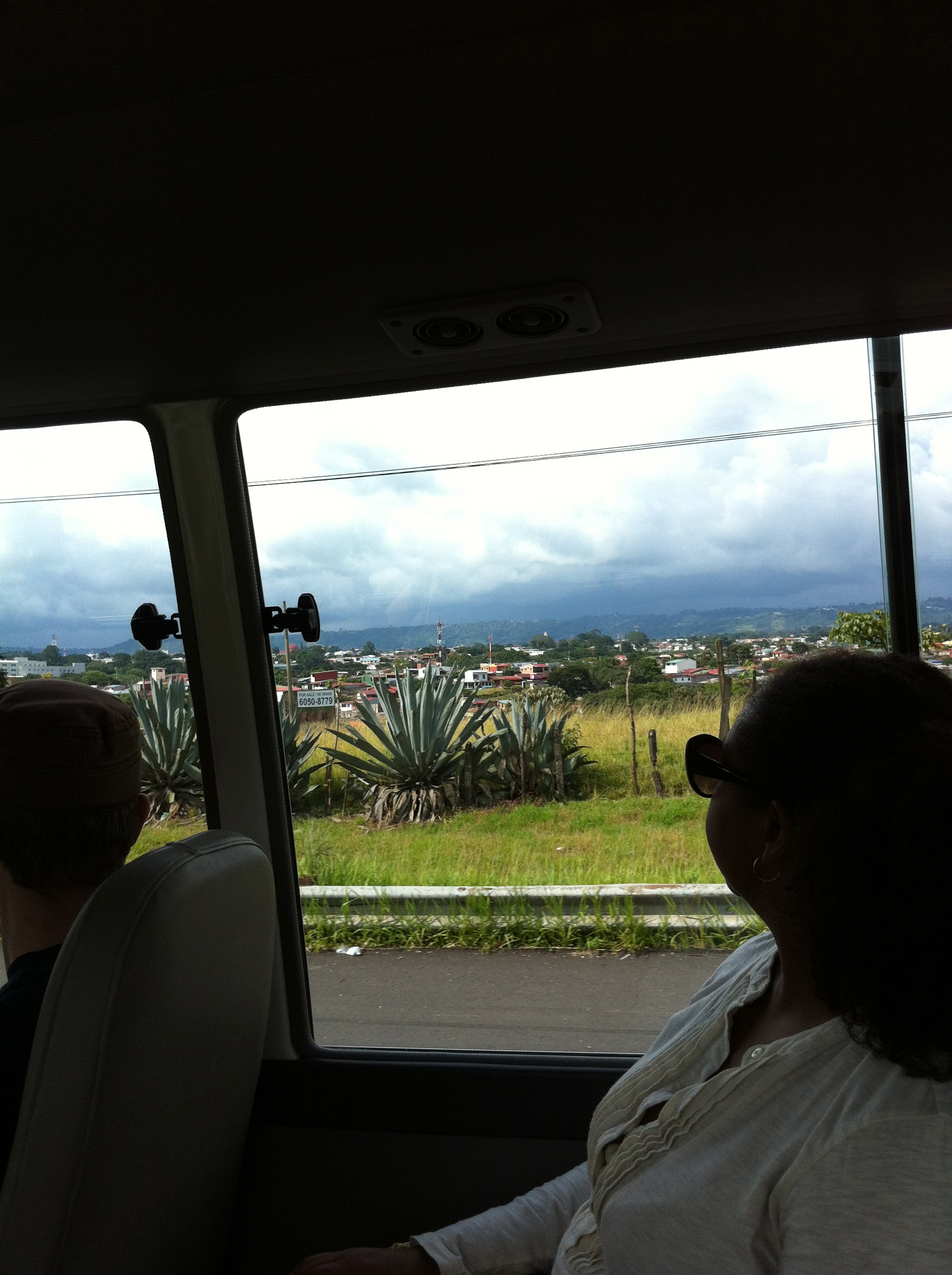
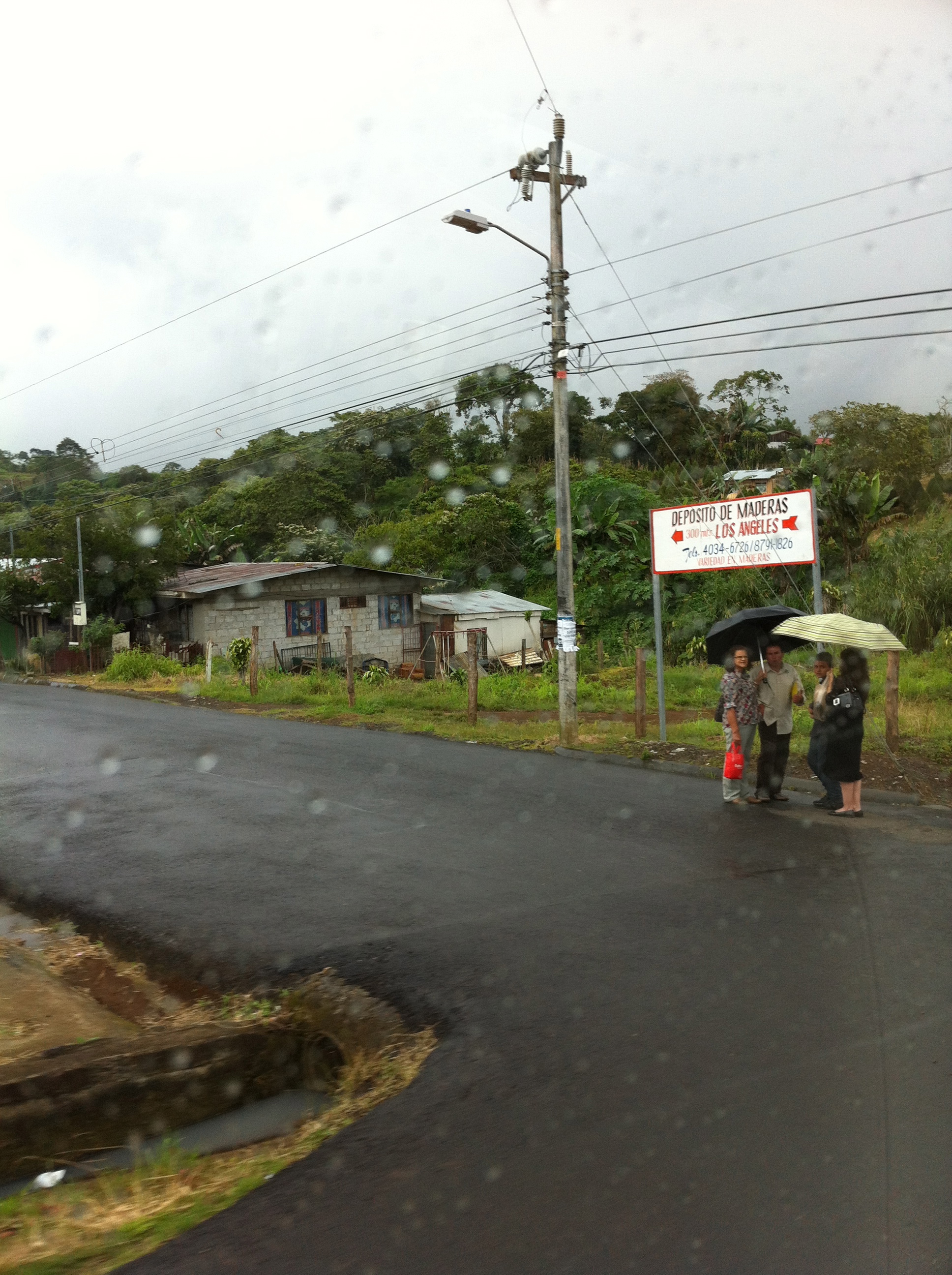
I tried to take in every inch of scenery we passed: factories, neighborhoods, stray dogs, exotic flora, school kids walking home on steep winding roads with no sidewalks, billboards, shops, hydro power facility, and eventually – cows, farms, men clearing land with machetes, forests, huge mountain ranges, horses, bridges, and fields of coffee crops carved out from the nooks between bends in the road.

IMG_9265IMG_9285IMG_9268IMG_9303IMG_9312 IMG_9297IMG_9299IMG_9320

The winding, bobbing and dipping of the road put the little mini-bus to the test, and I found myself unusually car-woozy. Looking back, the swirling and jerking probably served to entrance me into a state that would help me absorb the beauty of the change of scenery at Finca Luna Nueva.

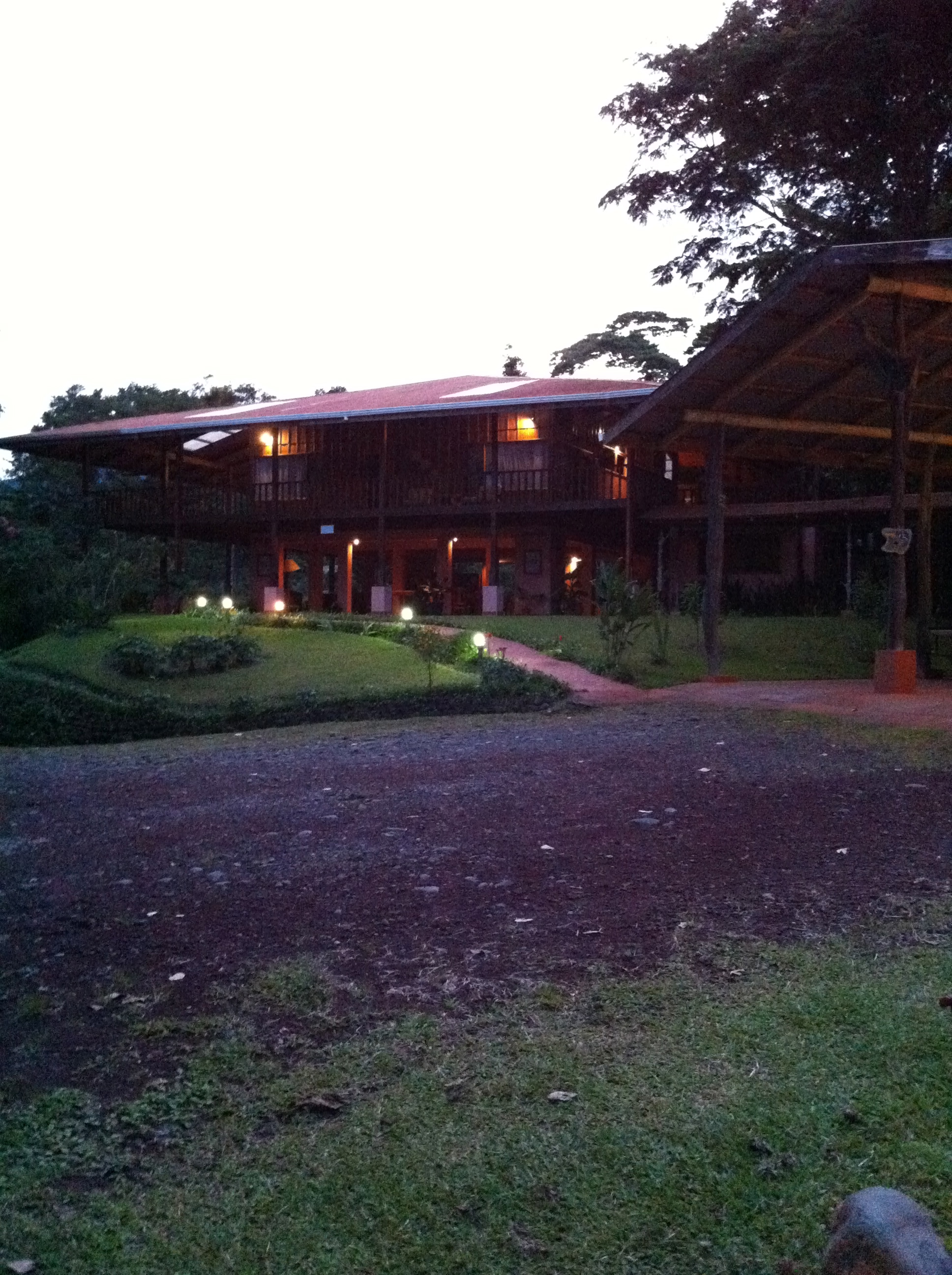
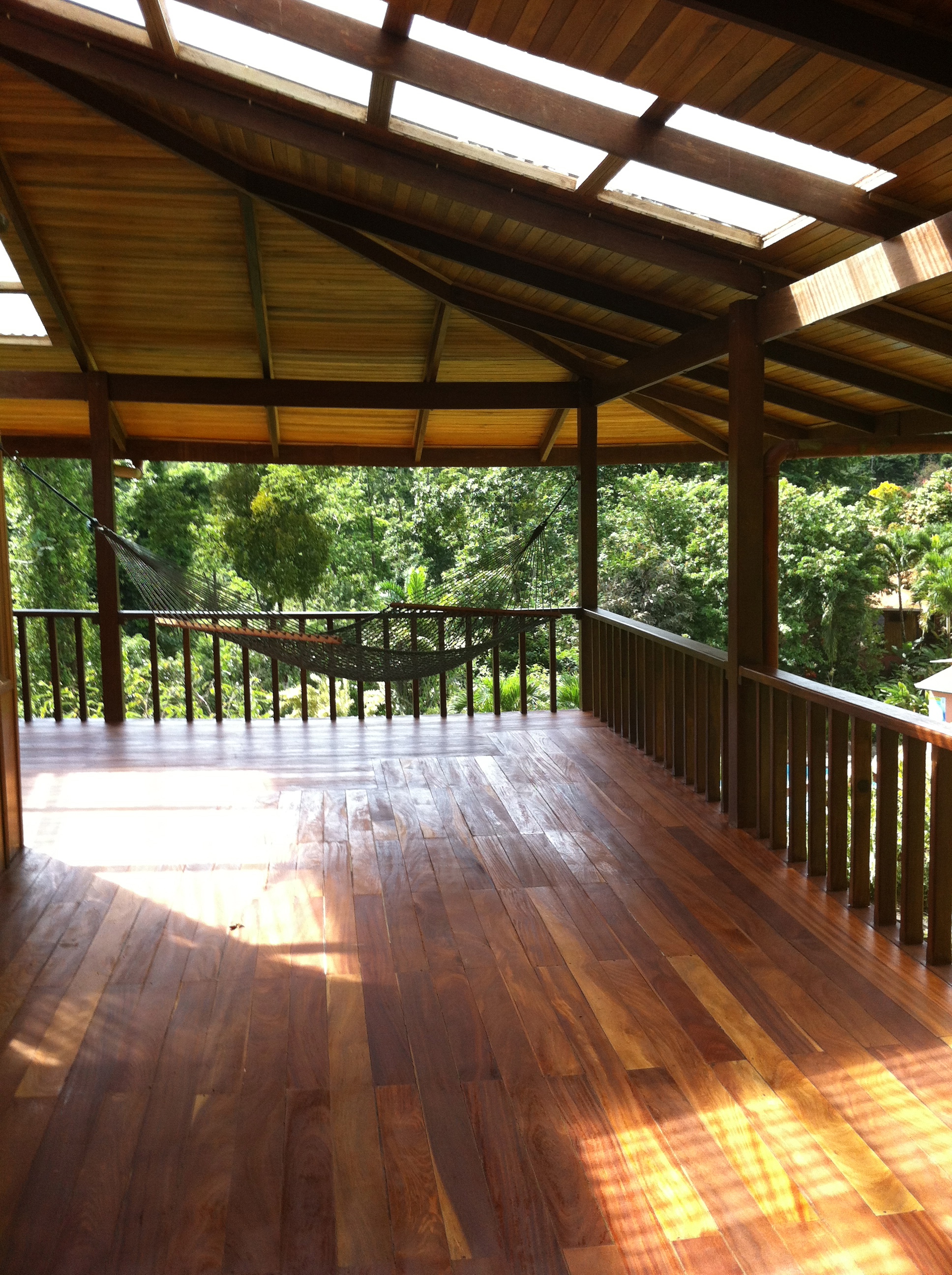
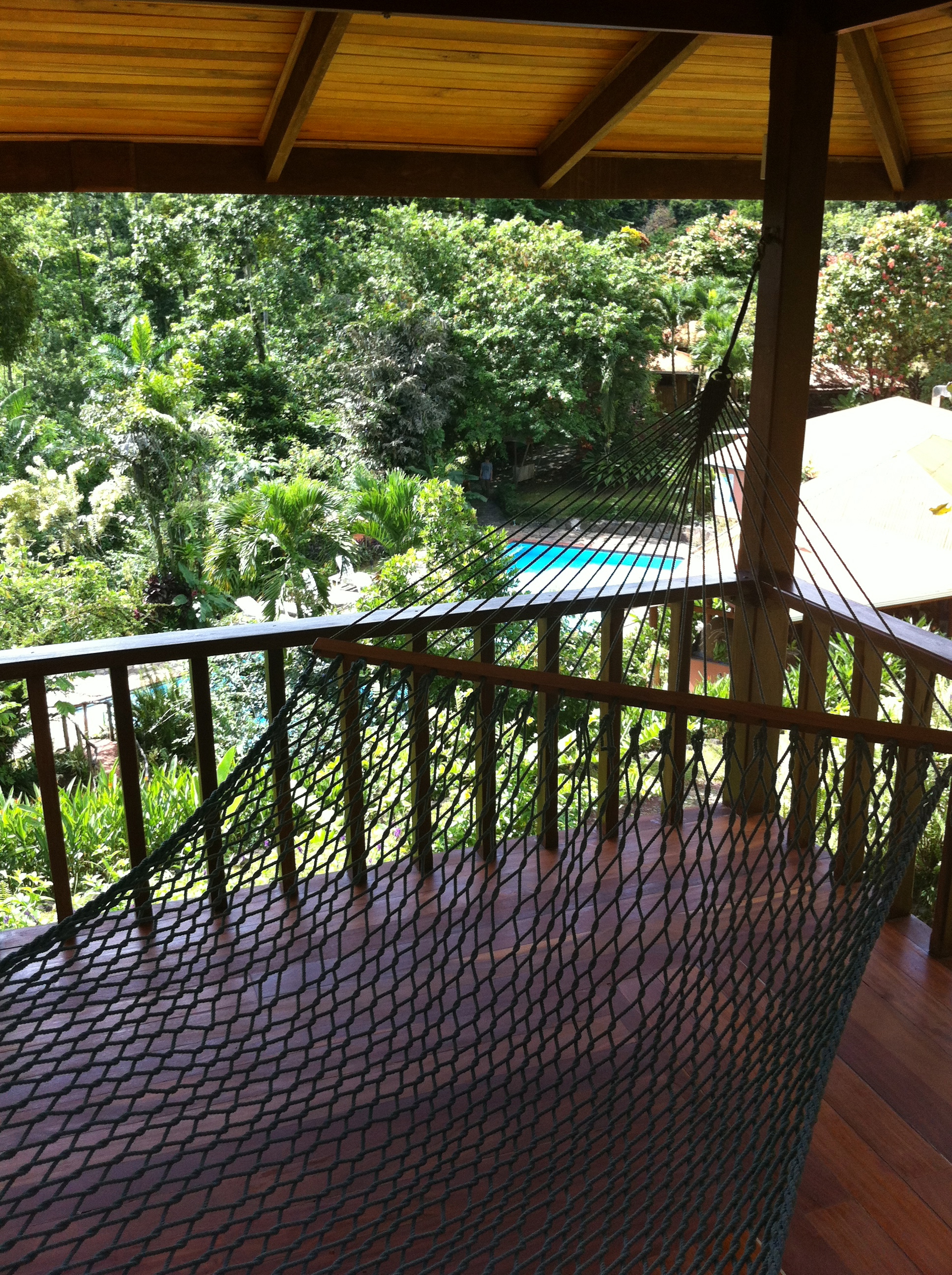
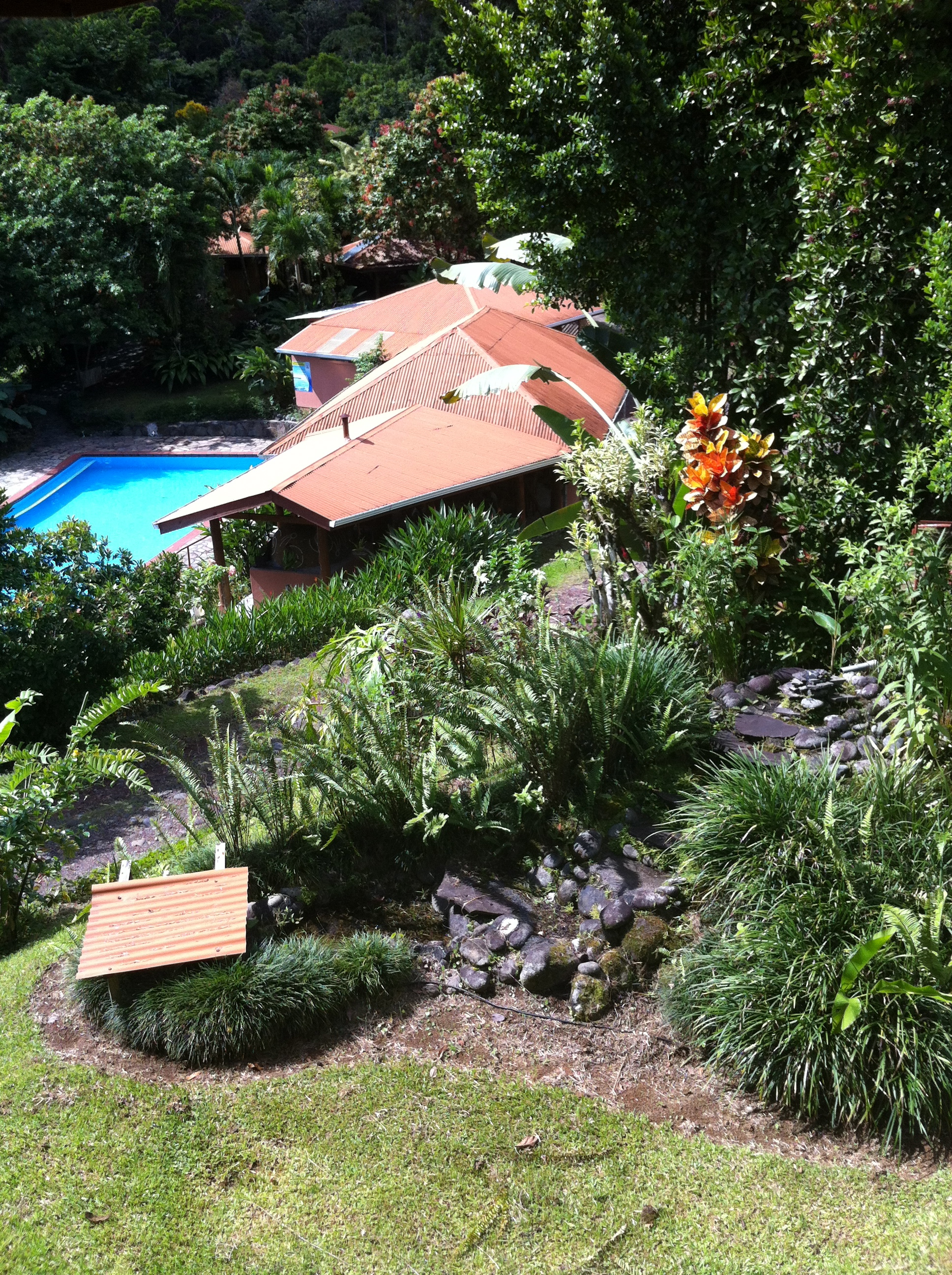
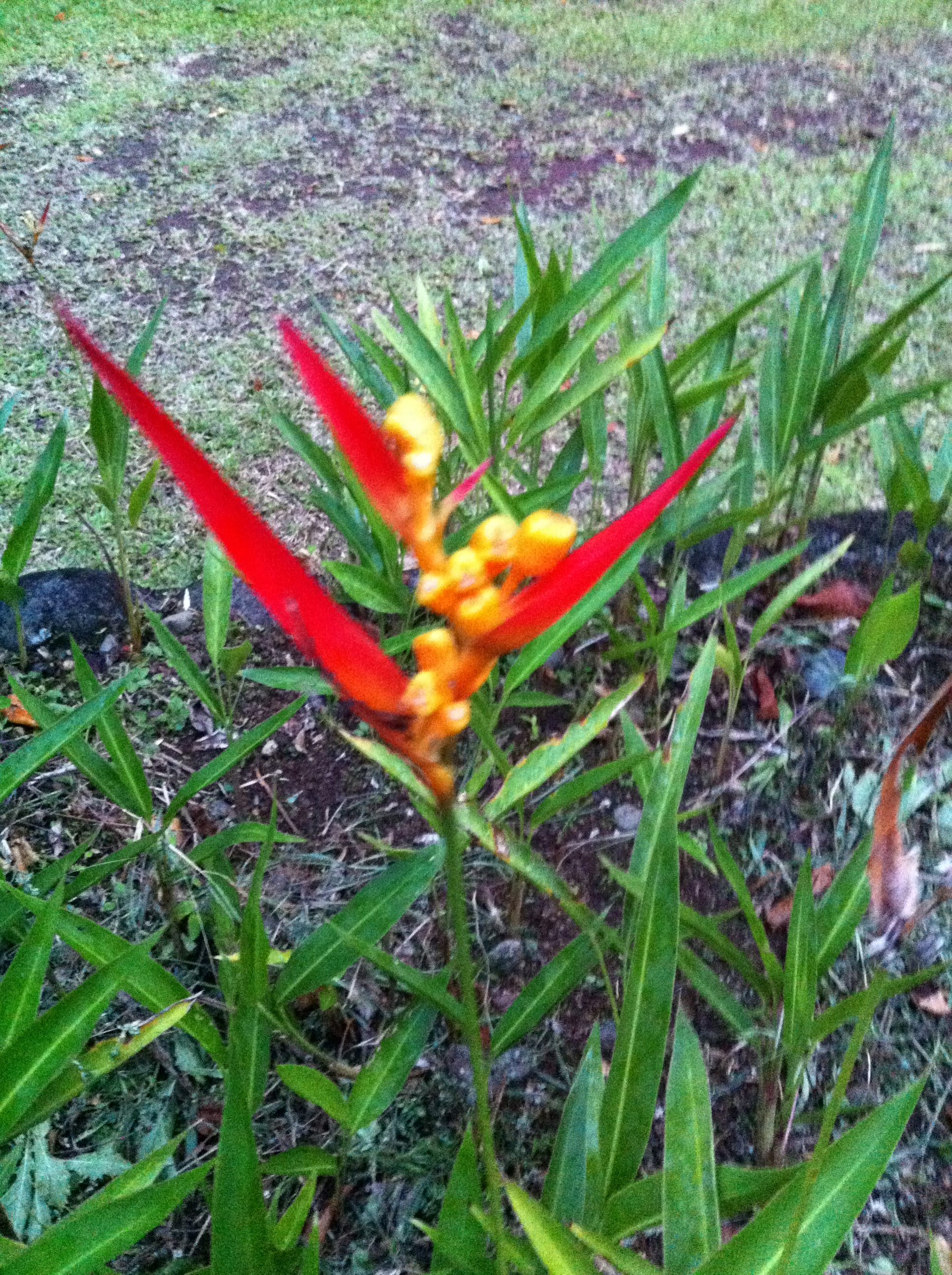
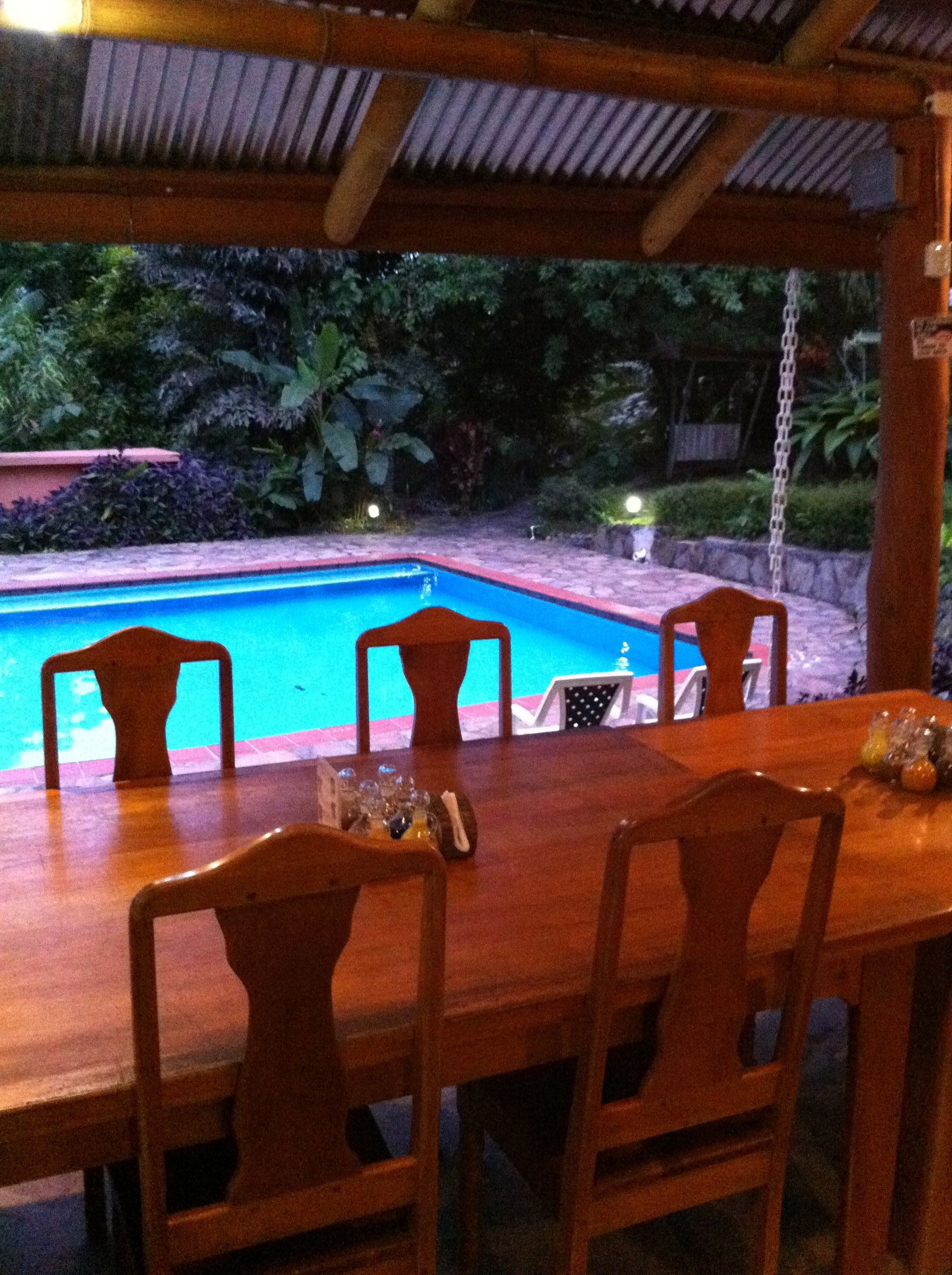
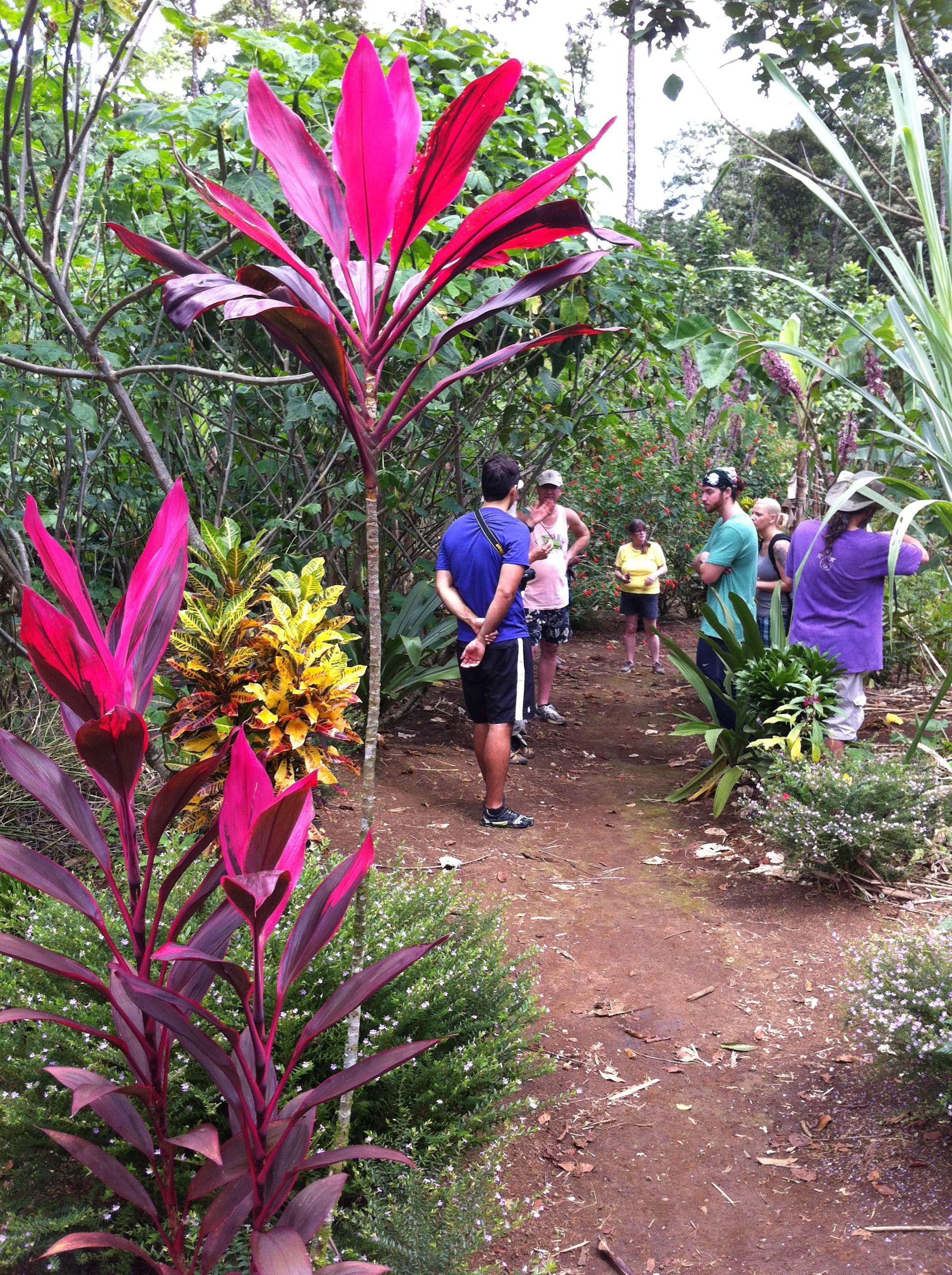
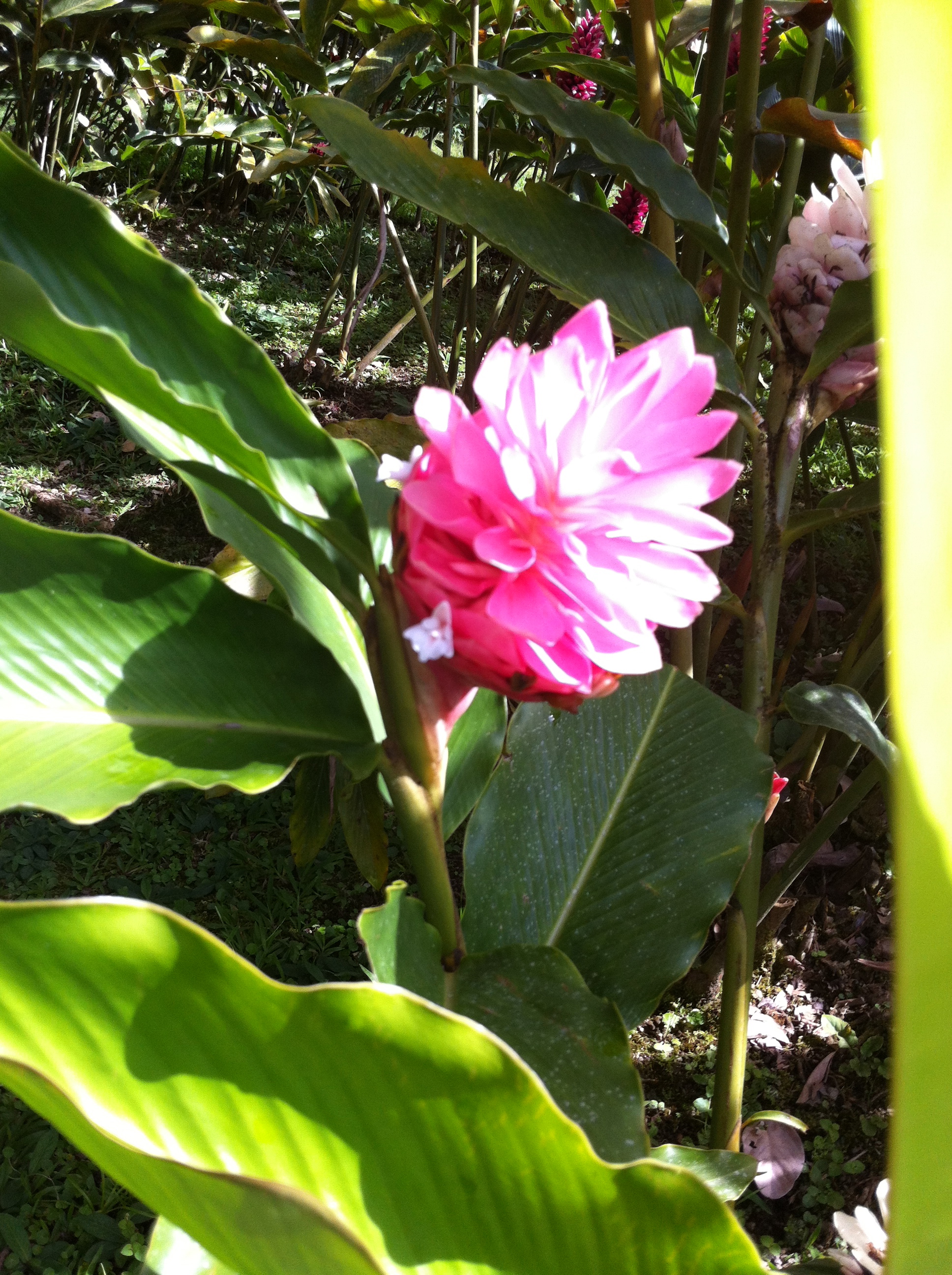
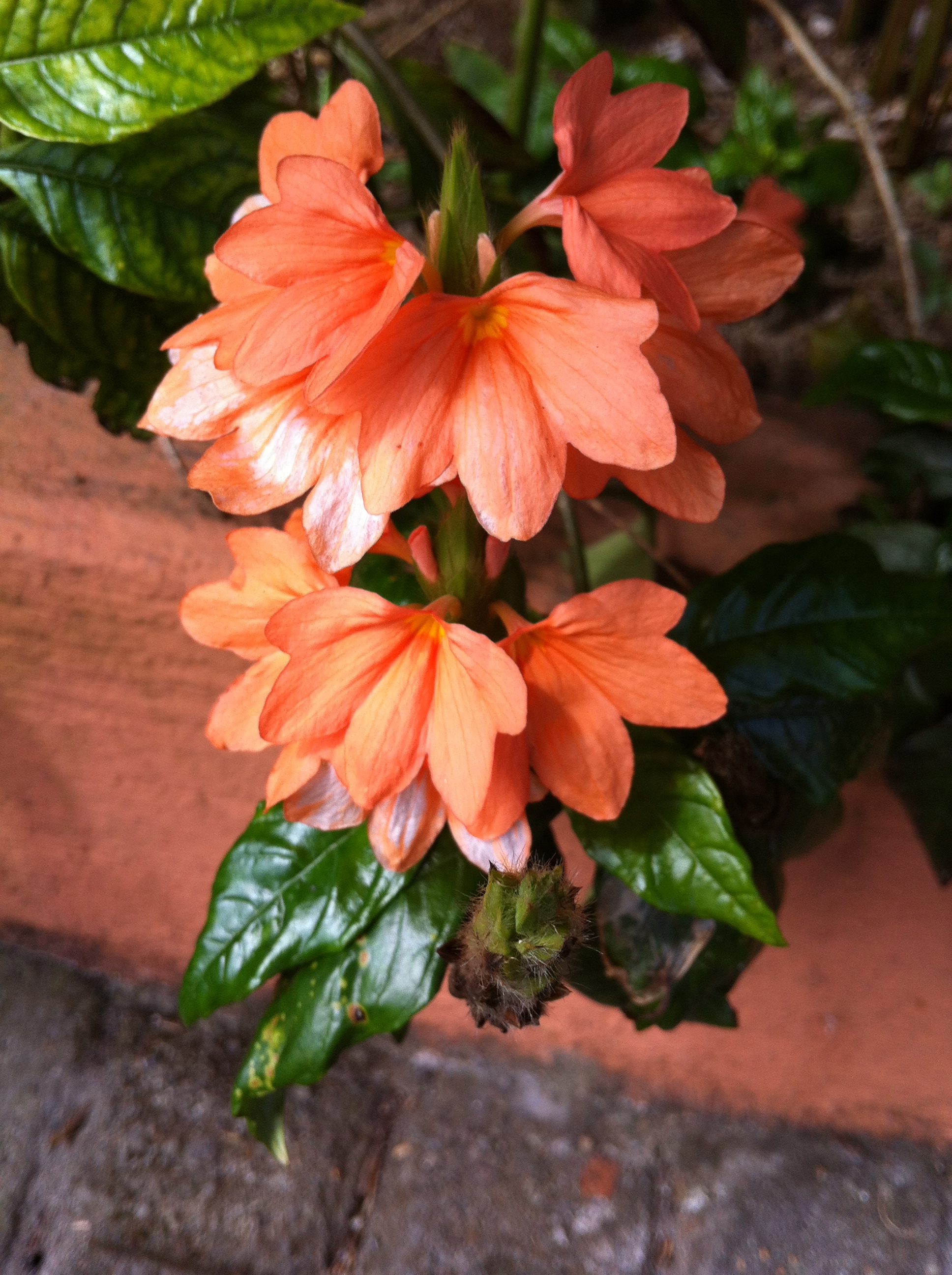
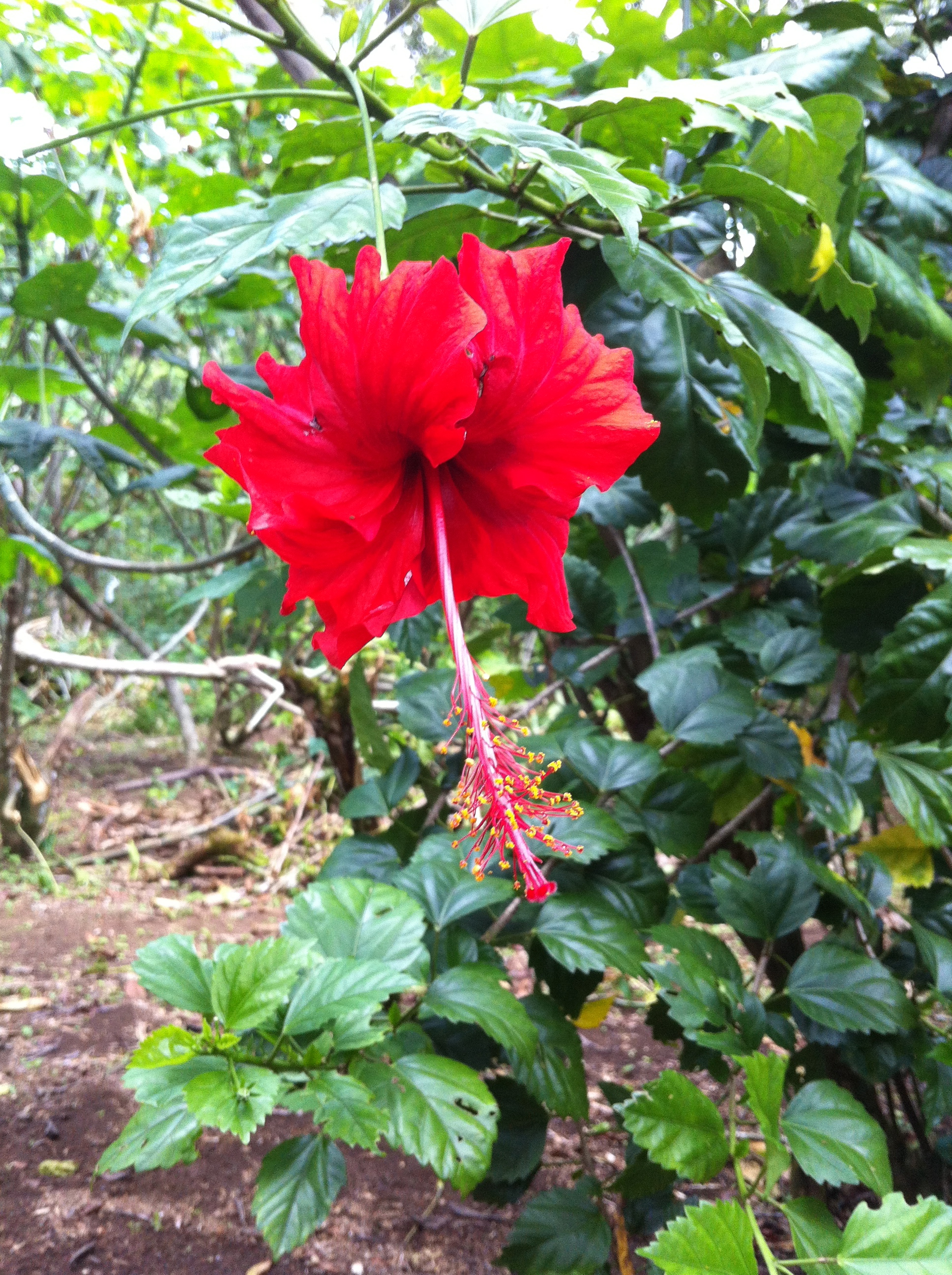
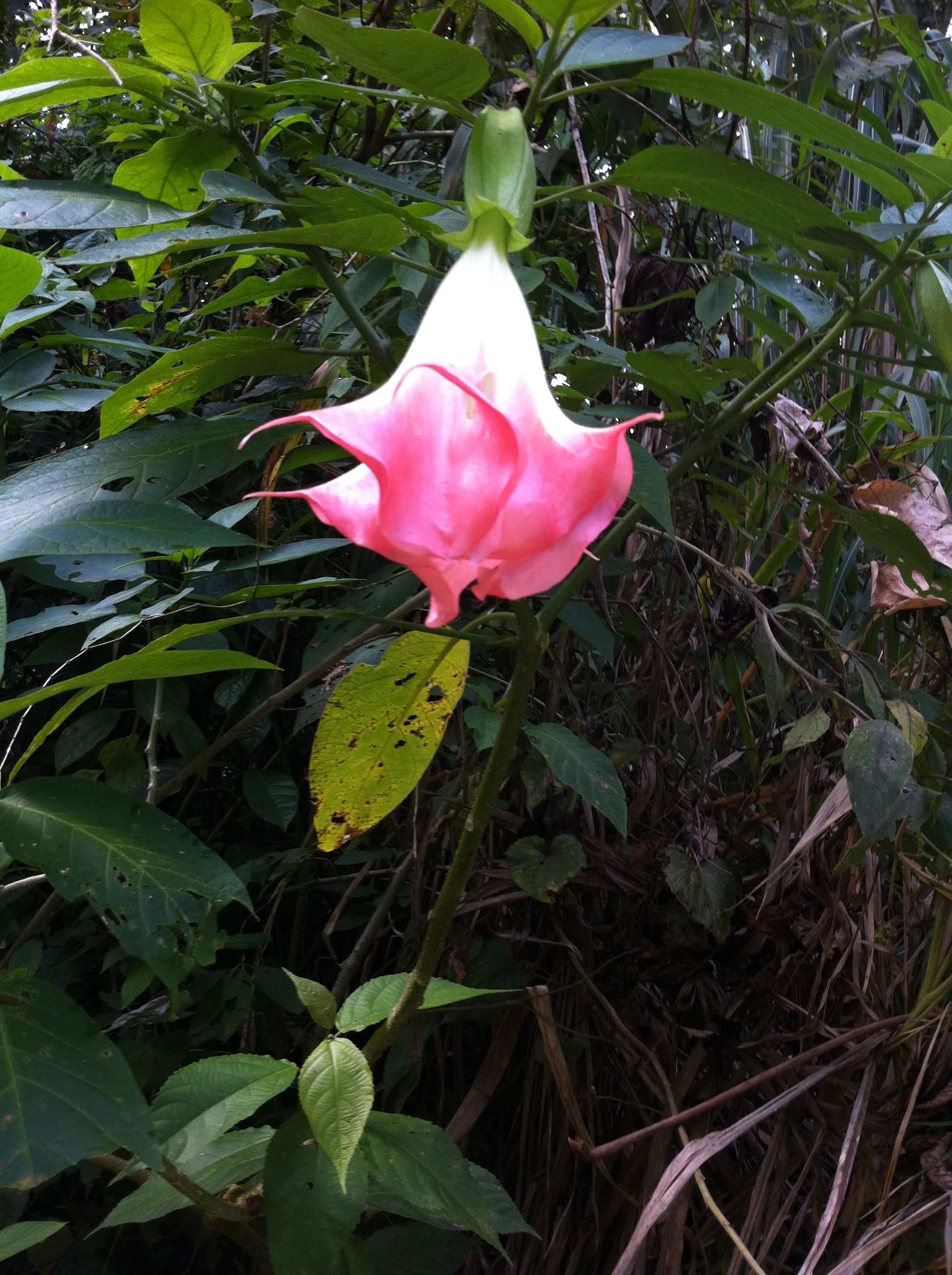
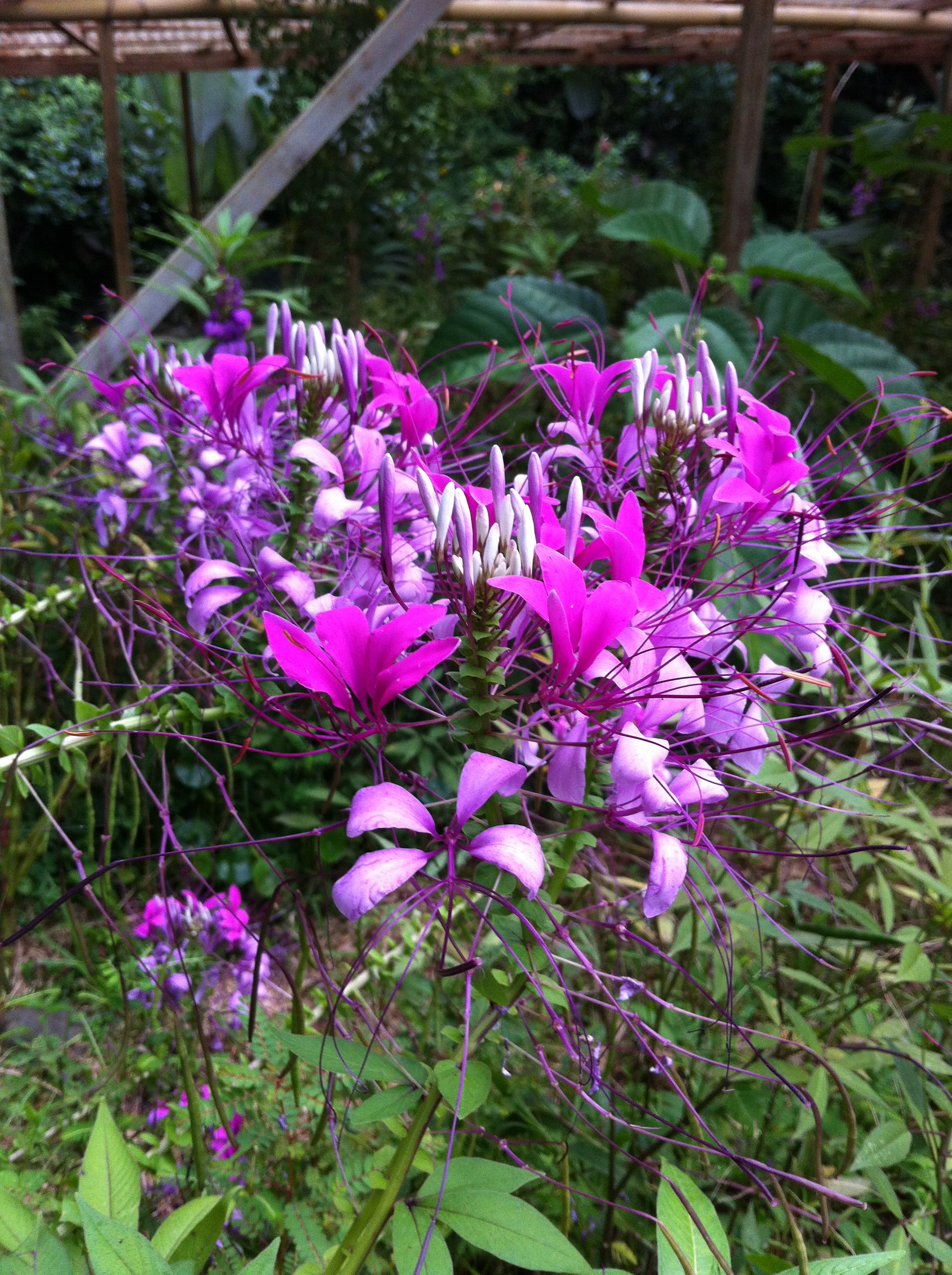
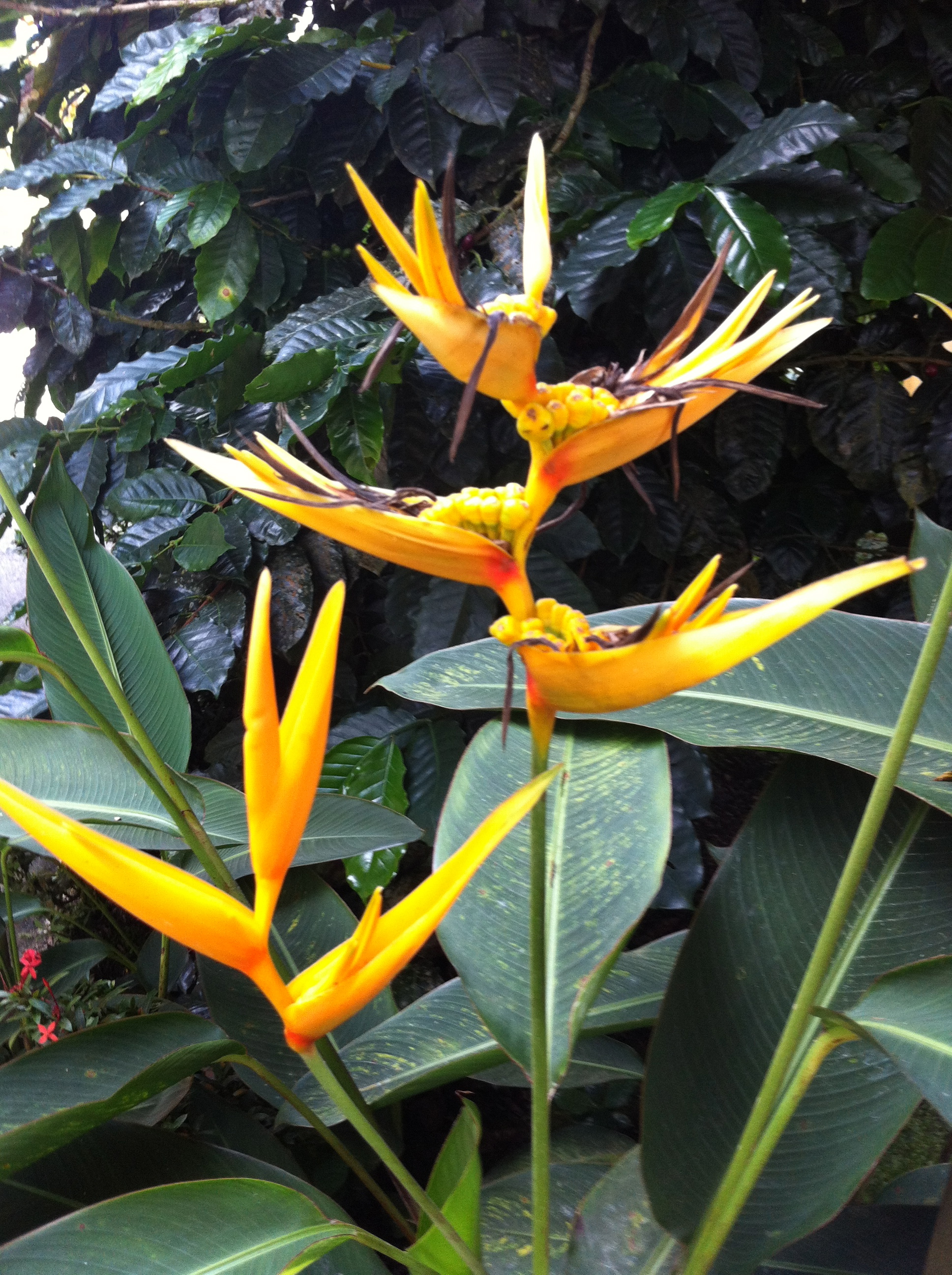
We got unpacked into our rooms, and marveled at the open-air rooms and exotic landscape. And the hammocks. And the pool. And the gigantic grasshoppers, asymmetrical flowers, expansive roofs, wood bungalows, birds. And the sounds: of a jungle, of a stream, of the breeze blowing through the expansive wrap-around porch. And the air: made of a wholly different blend of dampness, oxygen, and molecules than the DC air to which I’m so accustomed.

IMG_9350 IMG_9364 IMG_9361 IMG_9360IMG_9326 IMG_9335 IMG_9340 IMG_9568

We each kept our eyes peeled to see a sloth, the elusive prize of our imaginations.

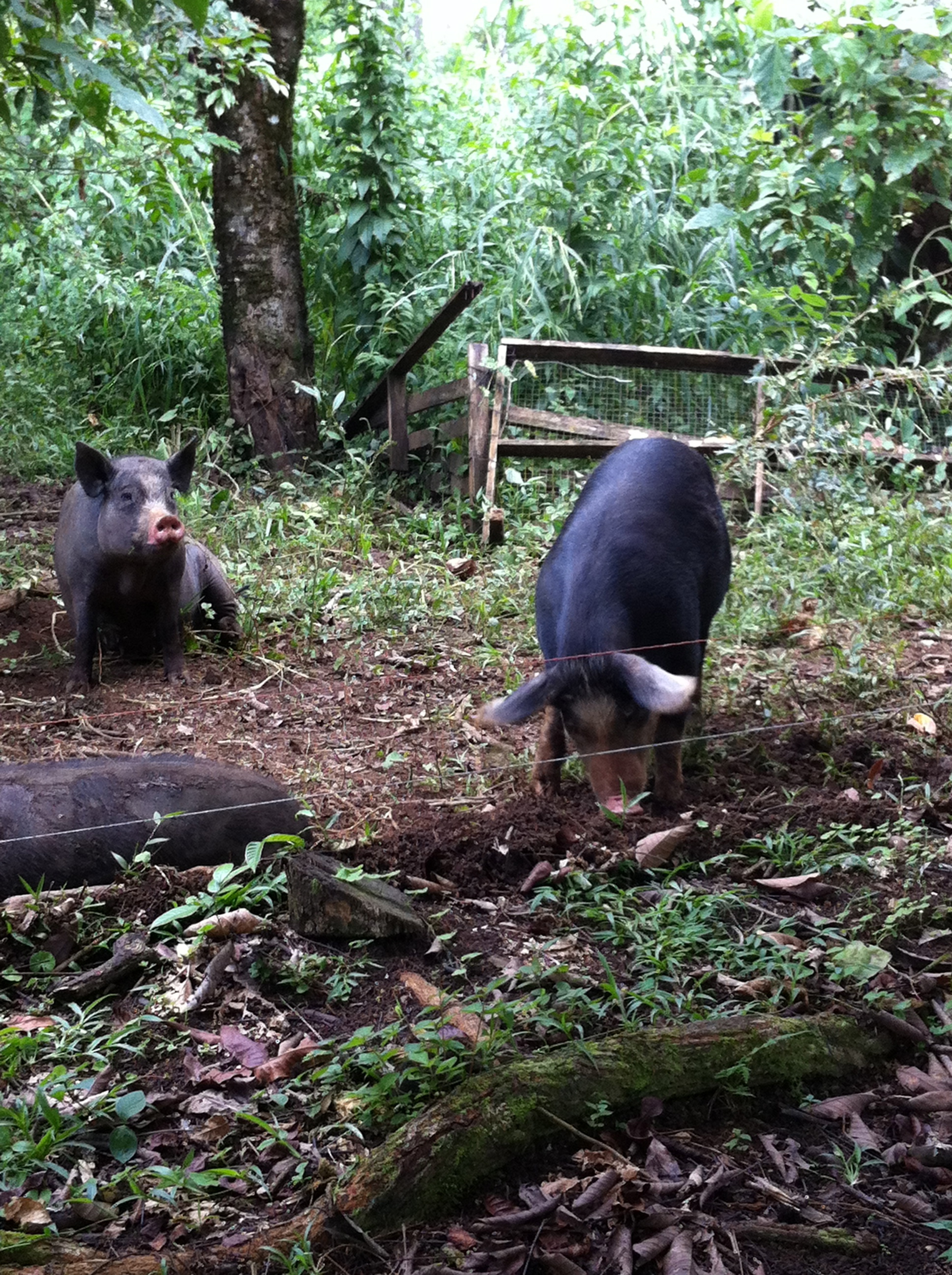
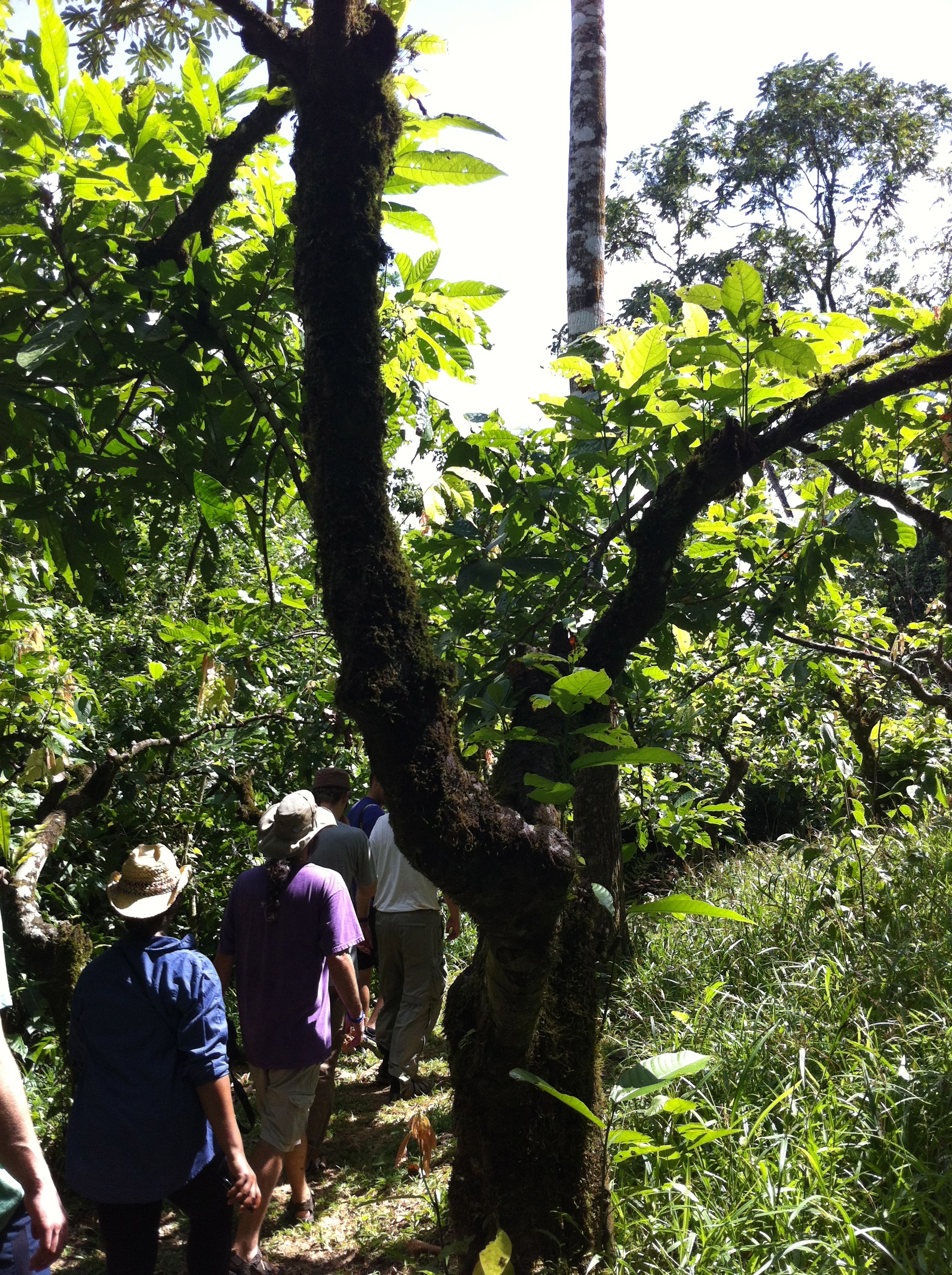
We ate dinner in the open-air “room” by the freshwater pool, a hearty meal made from the ingredients on the farm, as we would for every meal at Finca Luna Nueva. Each day was highlighted by explorations into the gardens, tours of the medicinal plants, cooing at the happy livestock, insights into the complexities of biodynamic farming, reflections on the ingenuity of sustainable hospitality (imagine air-drying all the linens for a resort in a greenhouse tent!).

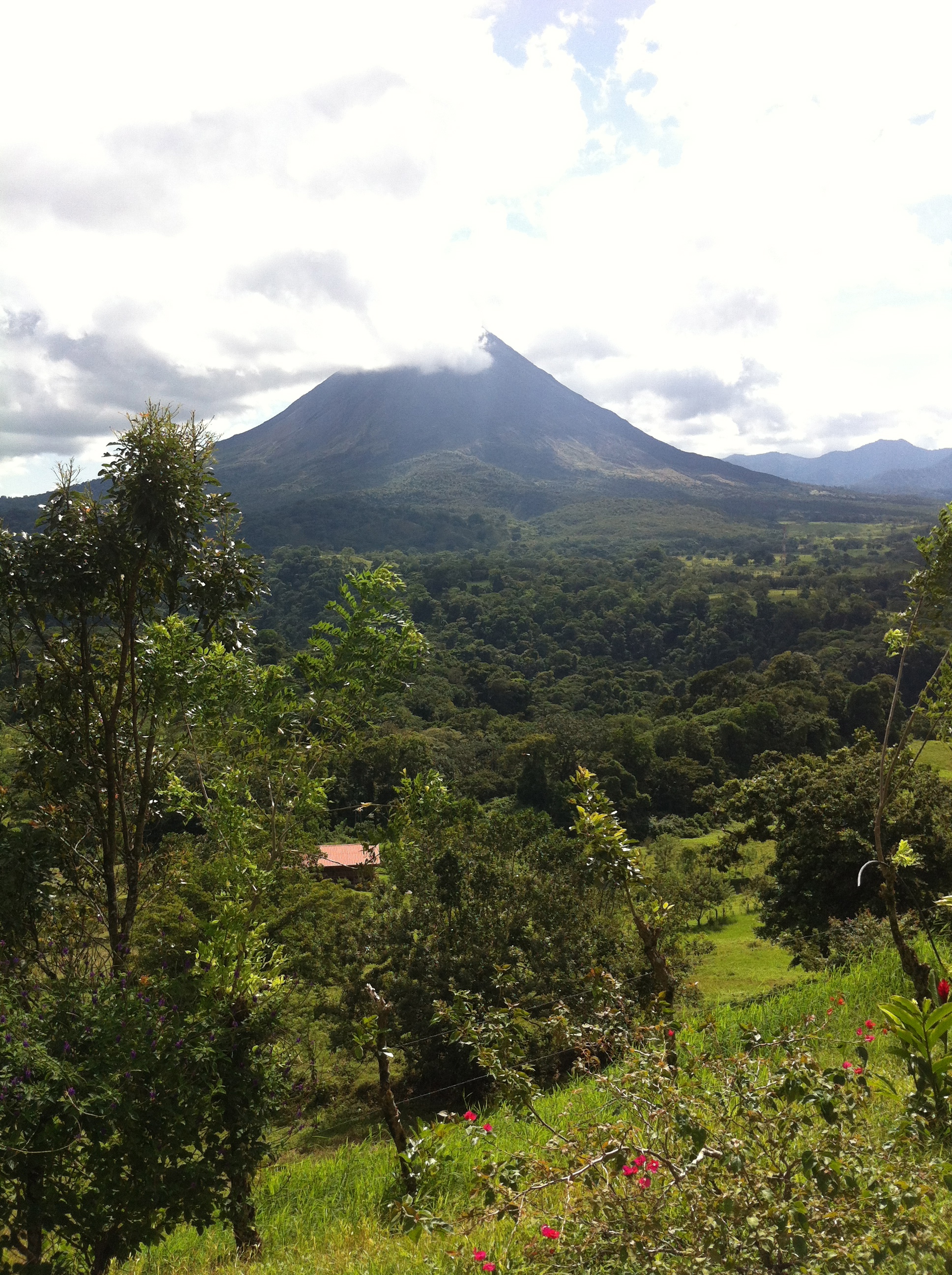
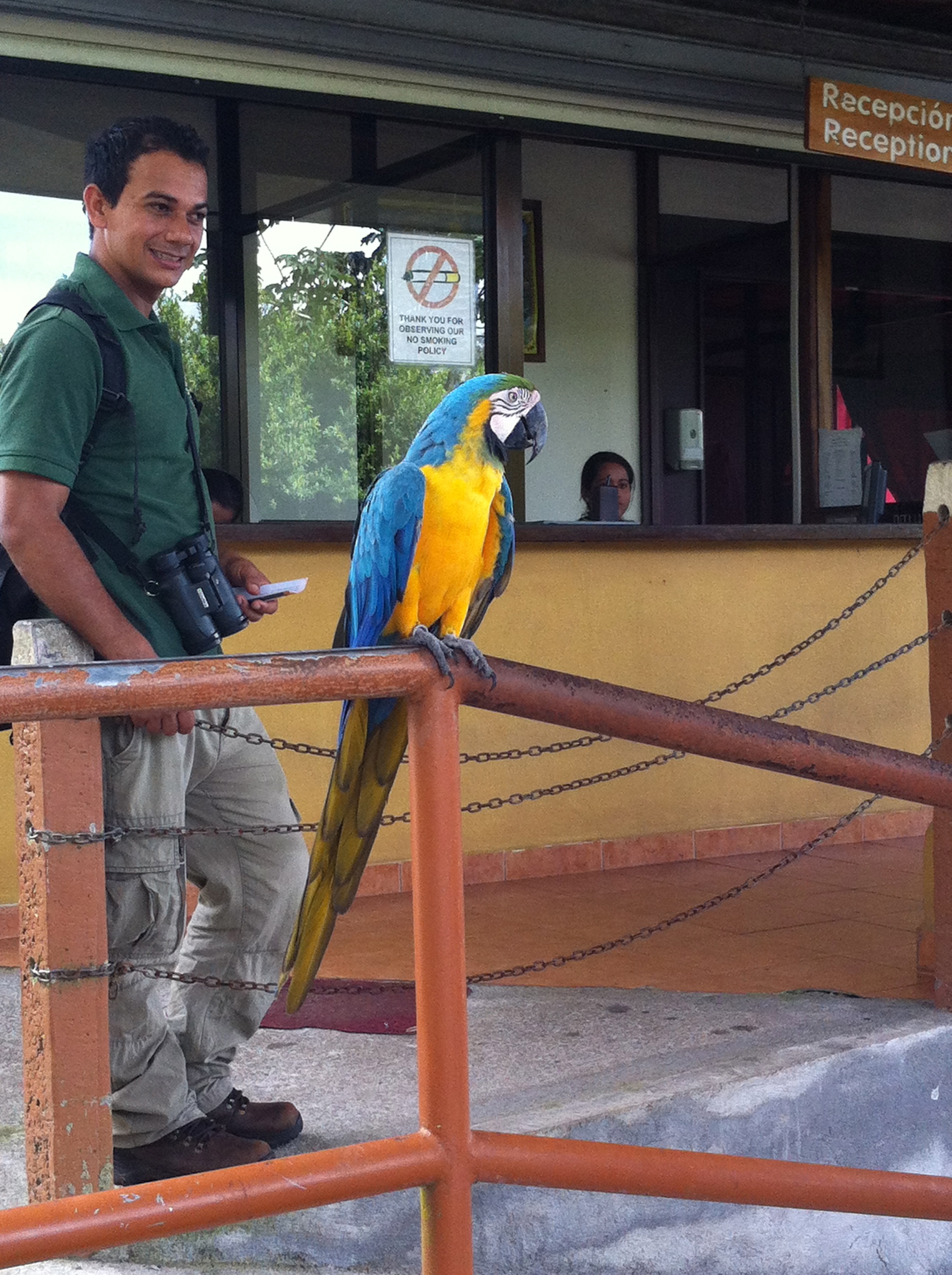
On field trips we saw wild howler monkeys with their babies (the howl is more raucous than any animal noise I’ve ever imagined, I thought the sound alone might snap my collar bone), La Fortuna Volcano, a small town center, a bright somewhat-egotistical parrot, expansive armies of cutter ants carrying torn bits of leaves forever across the jungle floor, butterflies, spores from a huge reiki mushroom cluster, and I cannot end this list for it goes on in perpetuity.

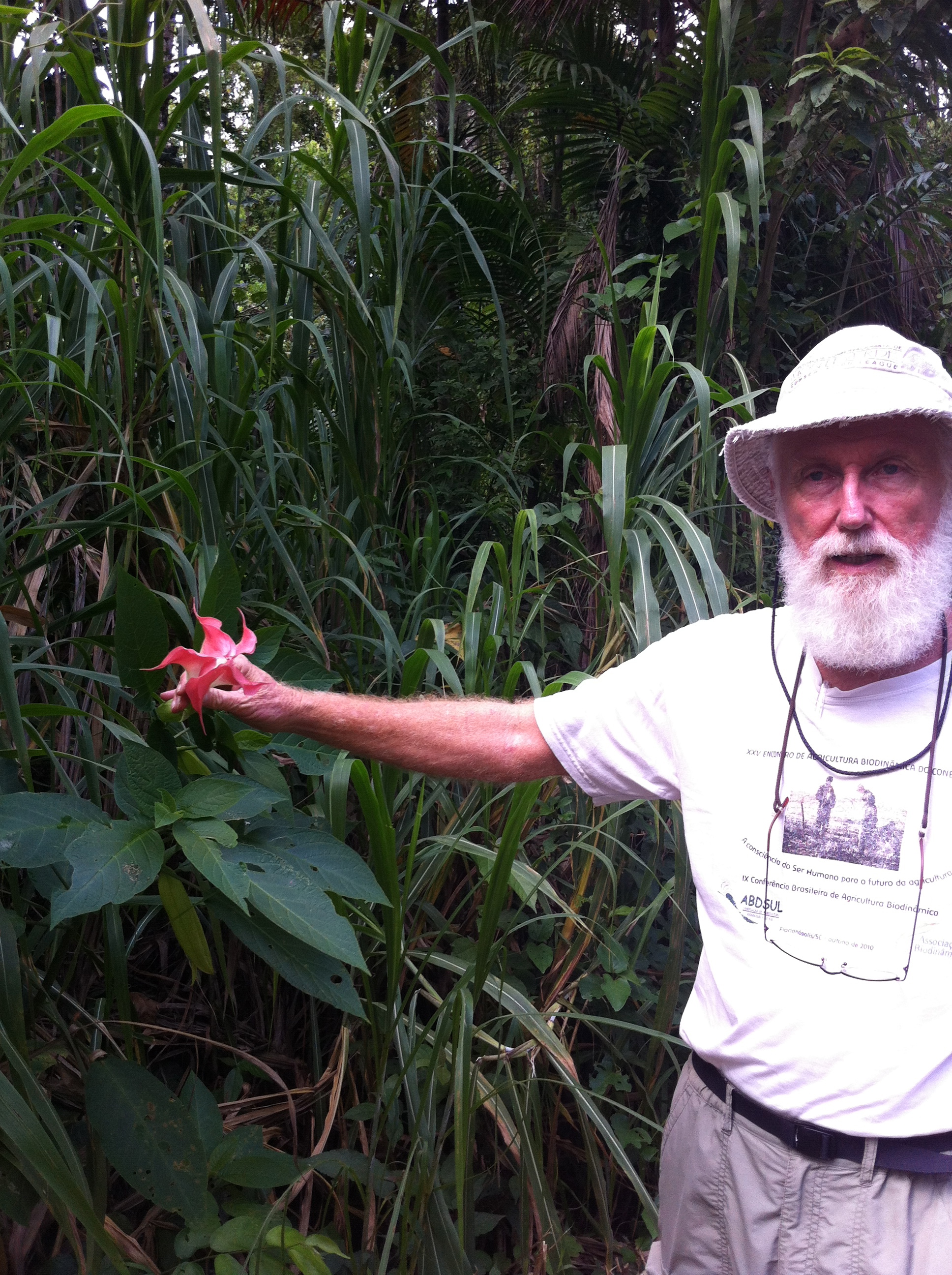
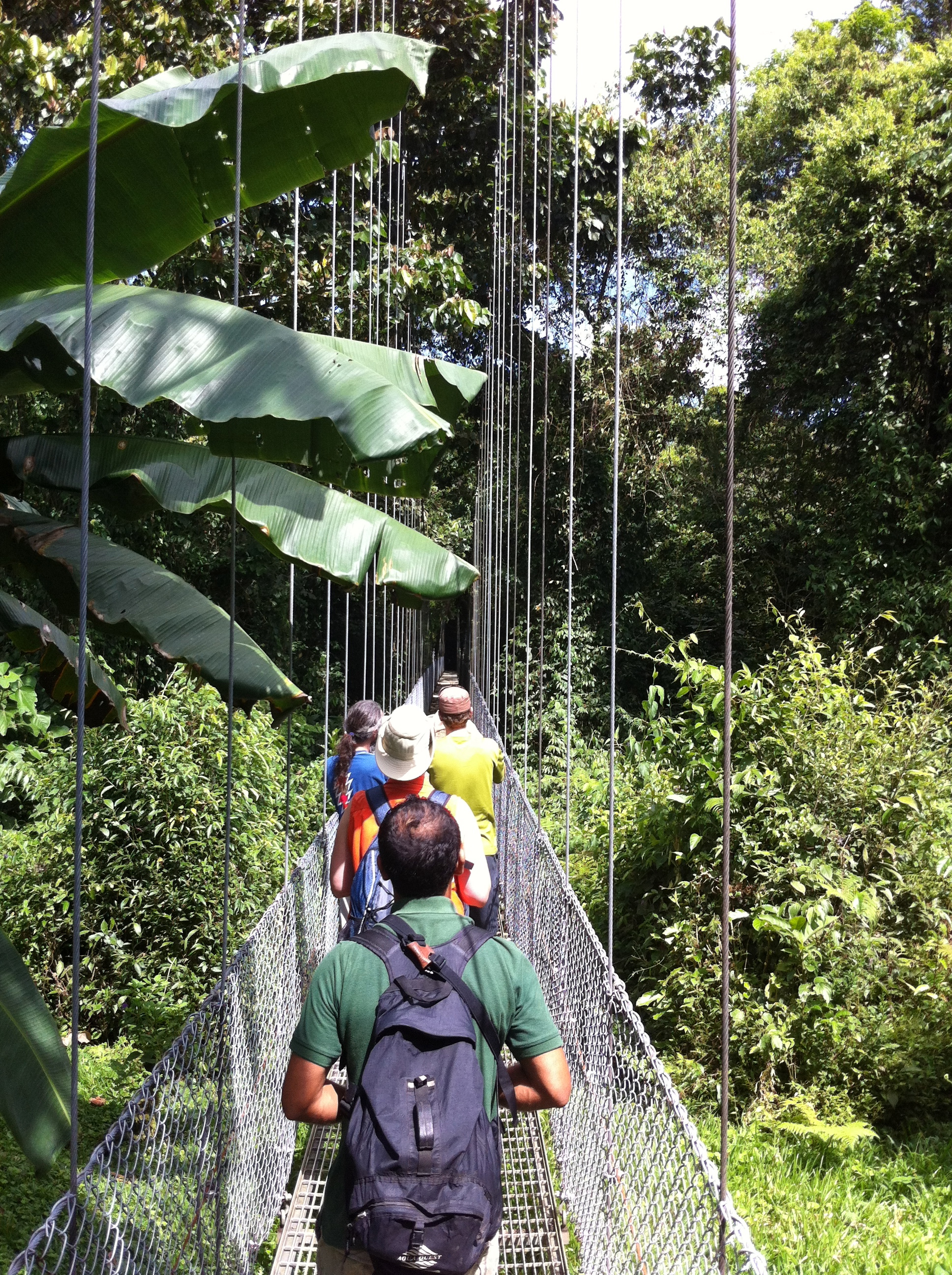
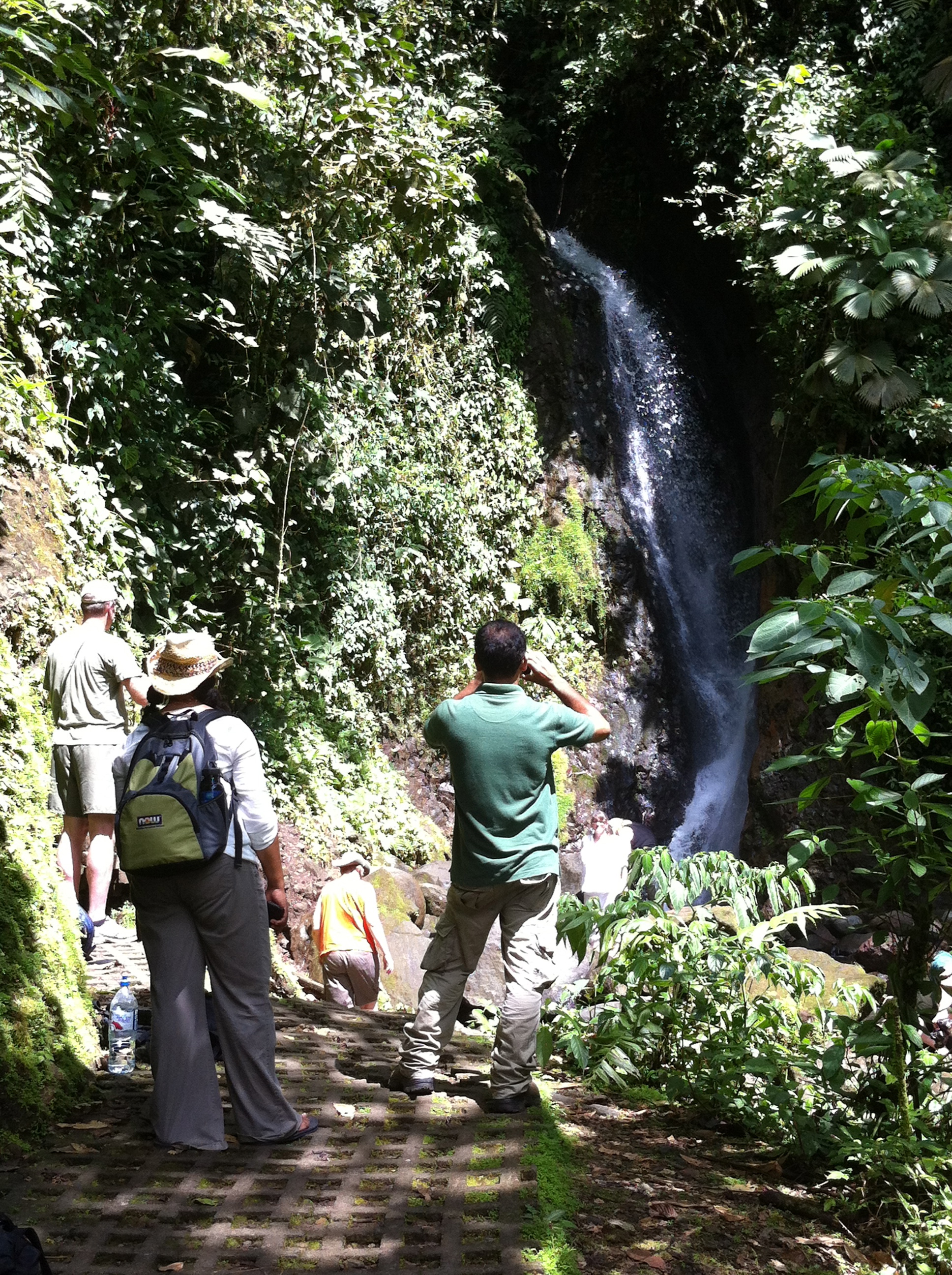
On a nighttime tour of the thick surrounding forest, we spotted small snakes, various frogs, huge brightly-colored caterpillars that emit cyanide, and heard the piercing chirps of a glass frog. Ishmael (far below, in green shirt), our Costa Rican guardian and guide, told us what not to touch, and named the species we happened upon. Each little pathway from the main resort led us to another Wonderland of knowledge, sometimes led by Ishmael, sometimes led by Steven the fatherly biodynamic turmeric farmer (below, in hat), and sometimes self-led, emboldened by our own curiosity.

IMG_9375 IMG_9396 IMG_9447 IMG_9417 IMG_9501 IMG_9536 IMG_9554 IMG_9643

After a couple days it was apparent to me that I was a different person.

The change of scenery became internal. And the world, the physics, the gravity of this place was different. Its as if each cell in my body had been gently replaced by a more buoyant and interconnected cell. Each day registered to me as 2 days. I fell asleep at 10:30 or 11pm, and awoke, partially, at 4:30am to the sounds of I-have-no-idea-what birds, frogs, bats, who-knows-what. An hour of “meditation” on those sounds and somehow I was ready to rise from bed.

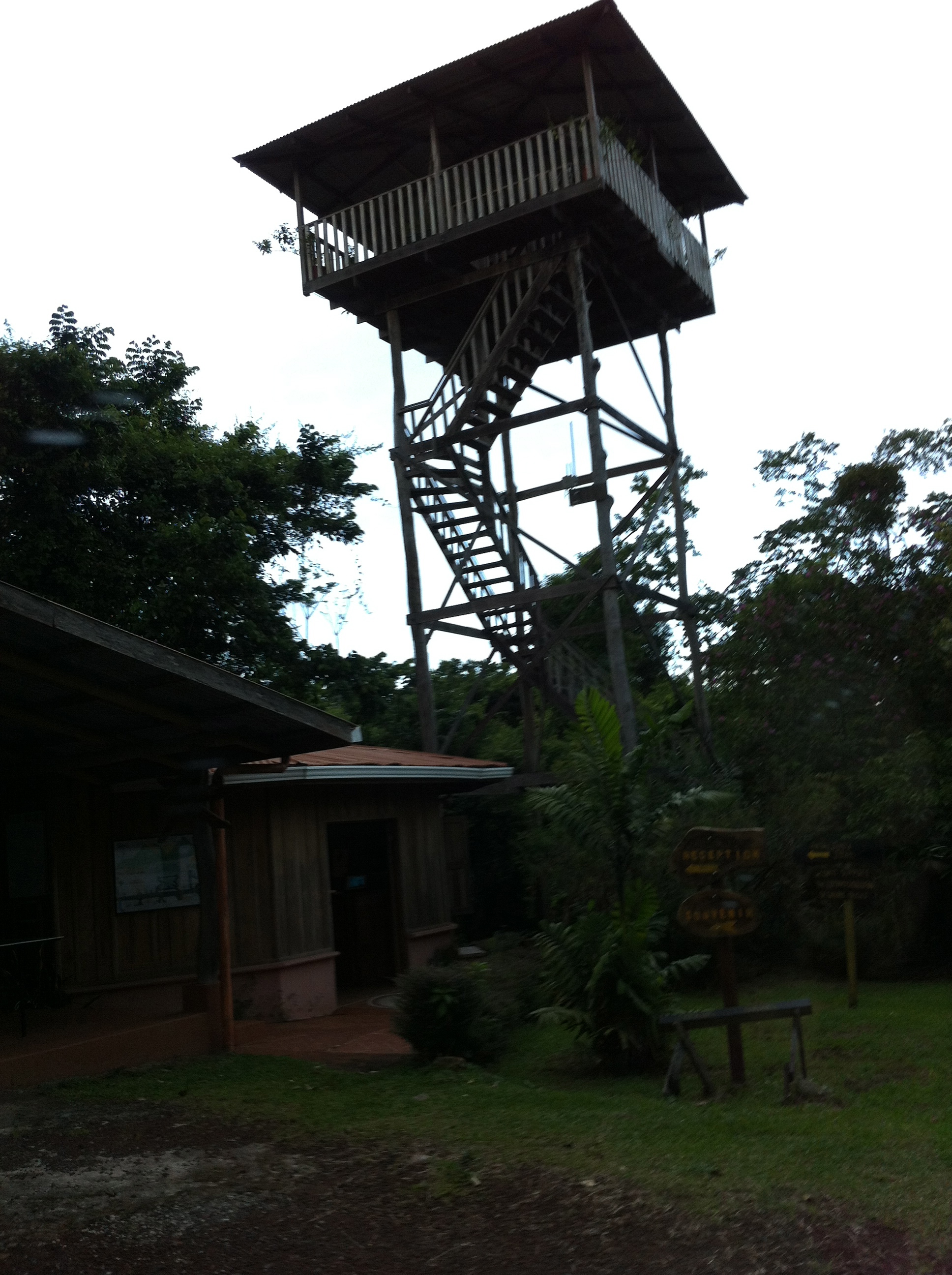
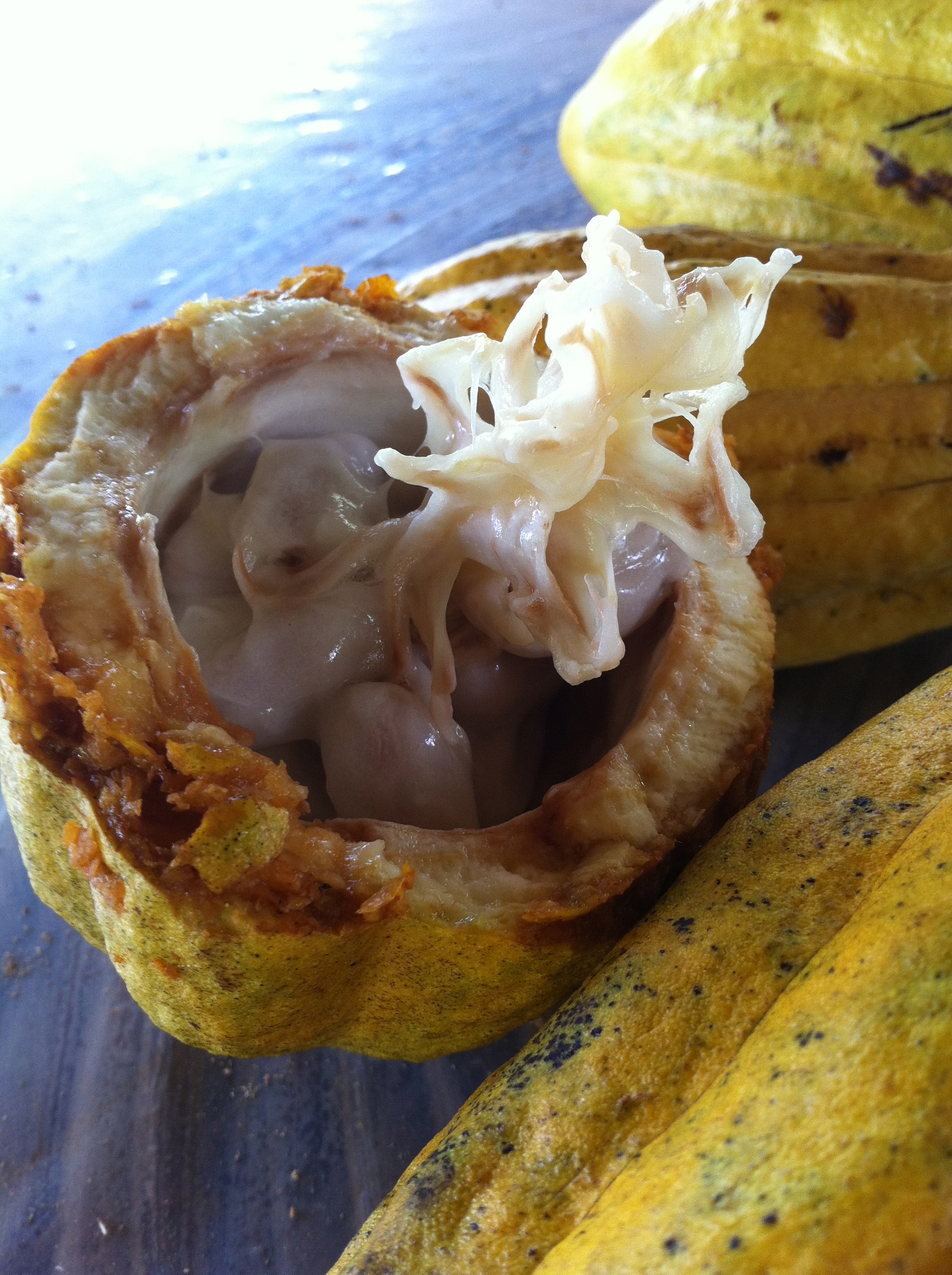
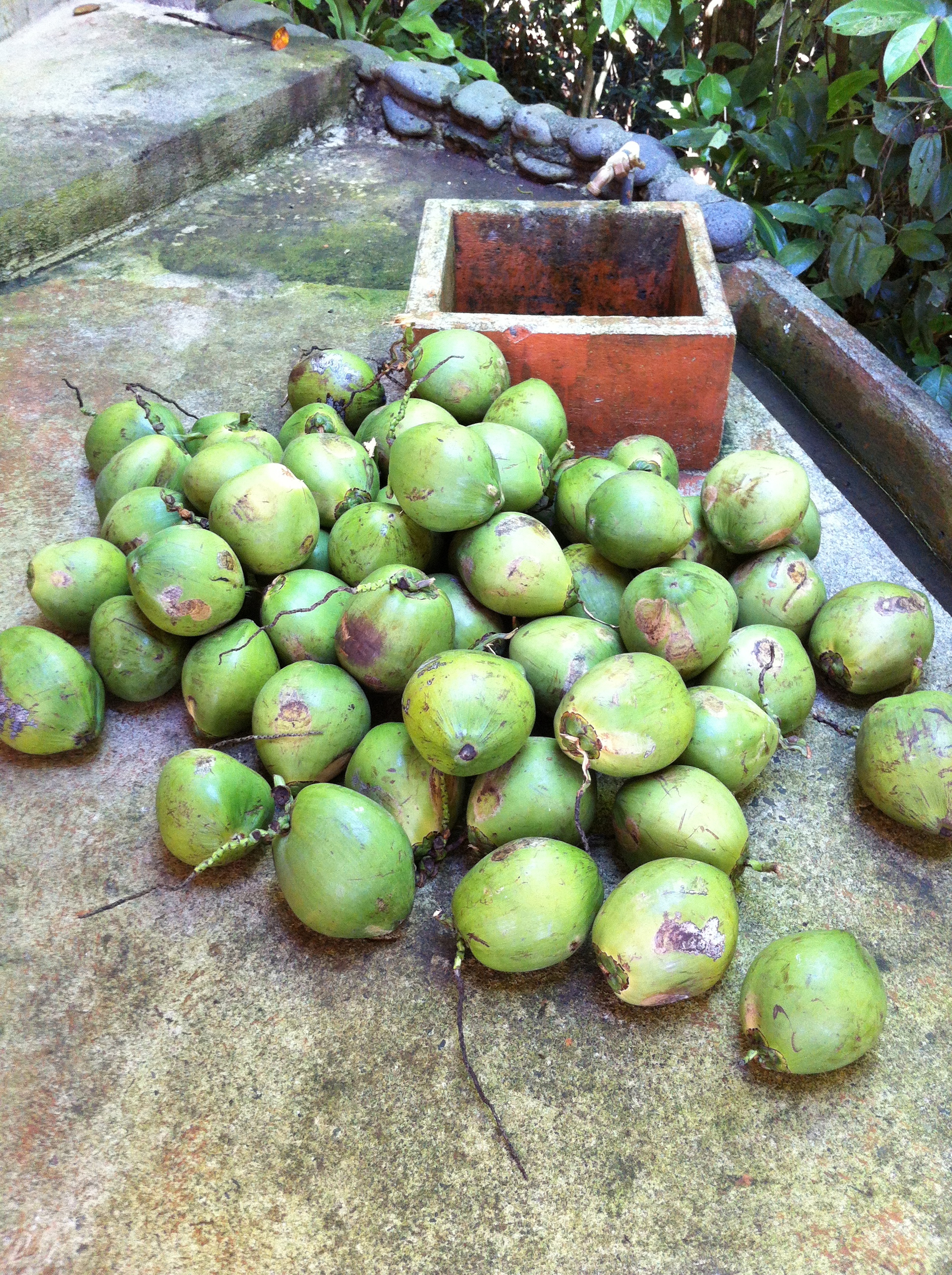
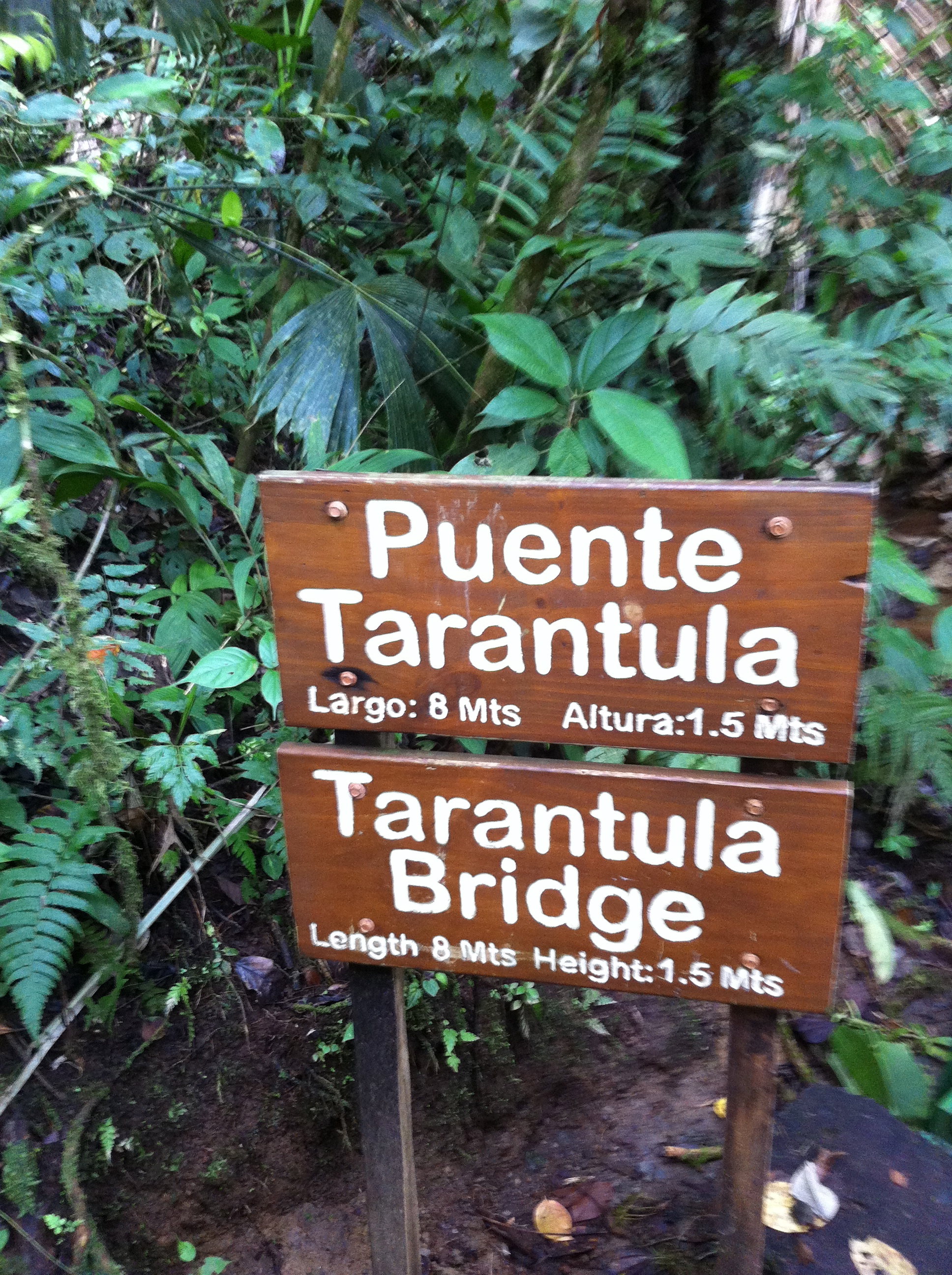
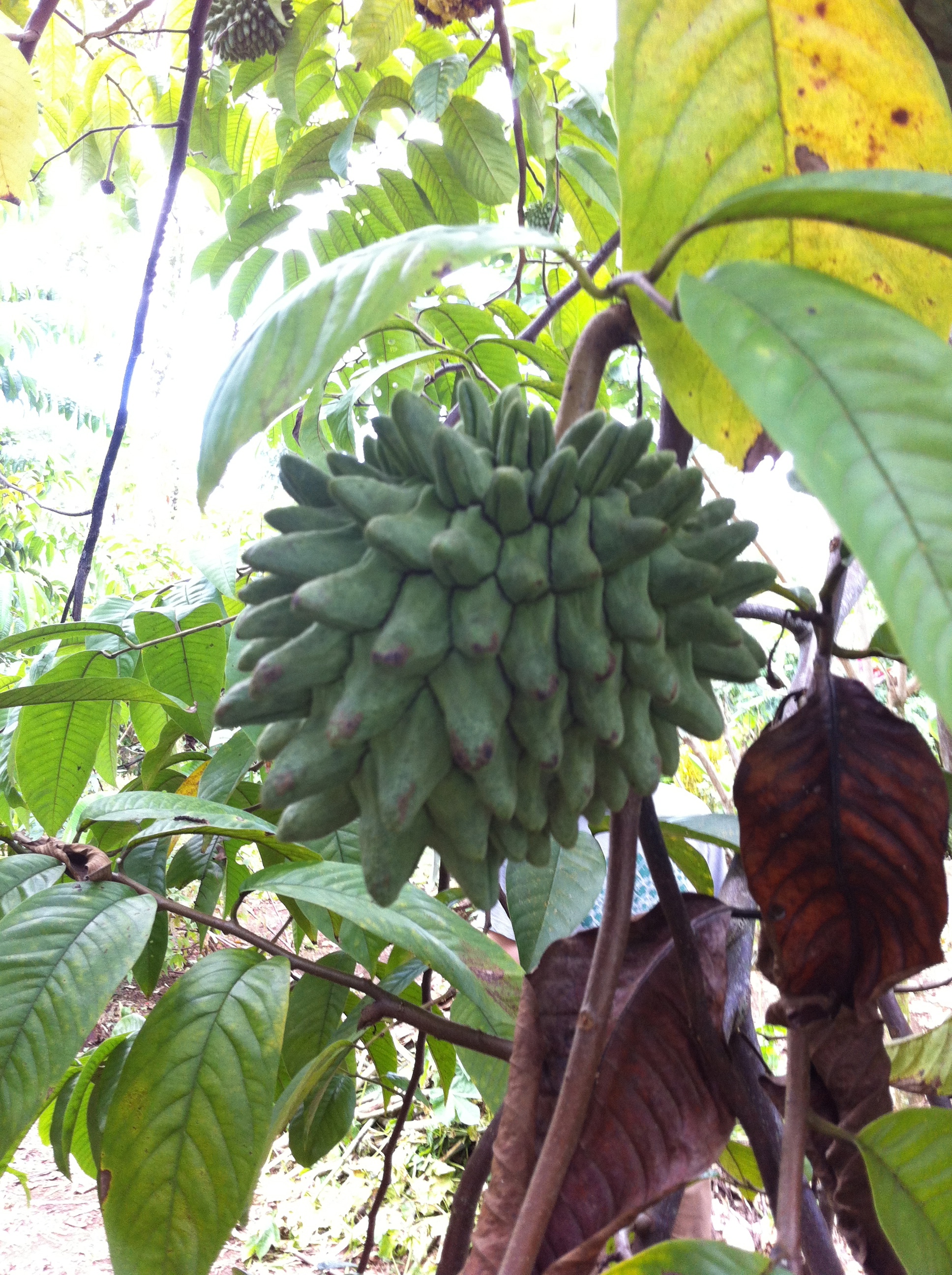
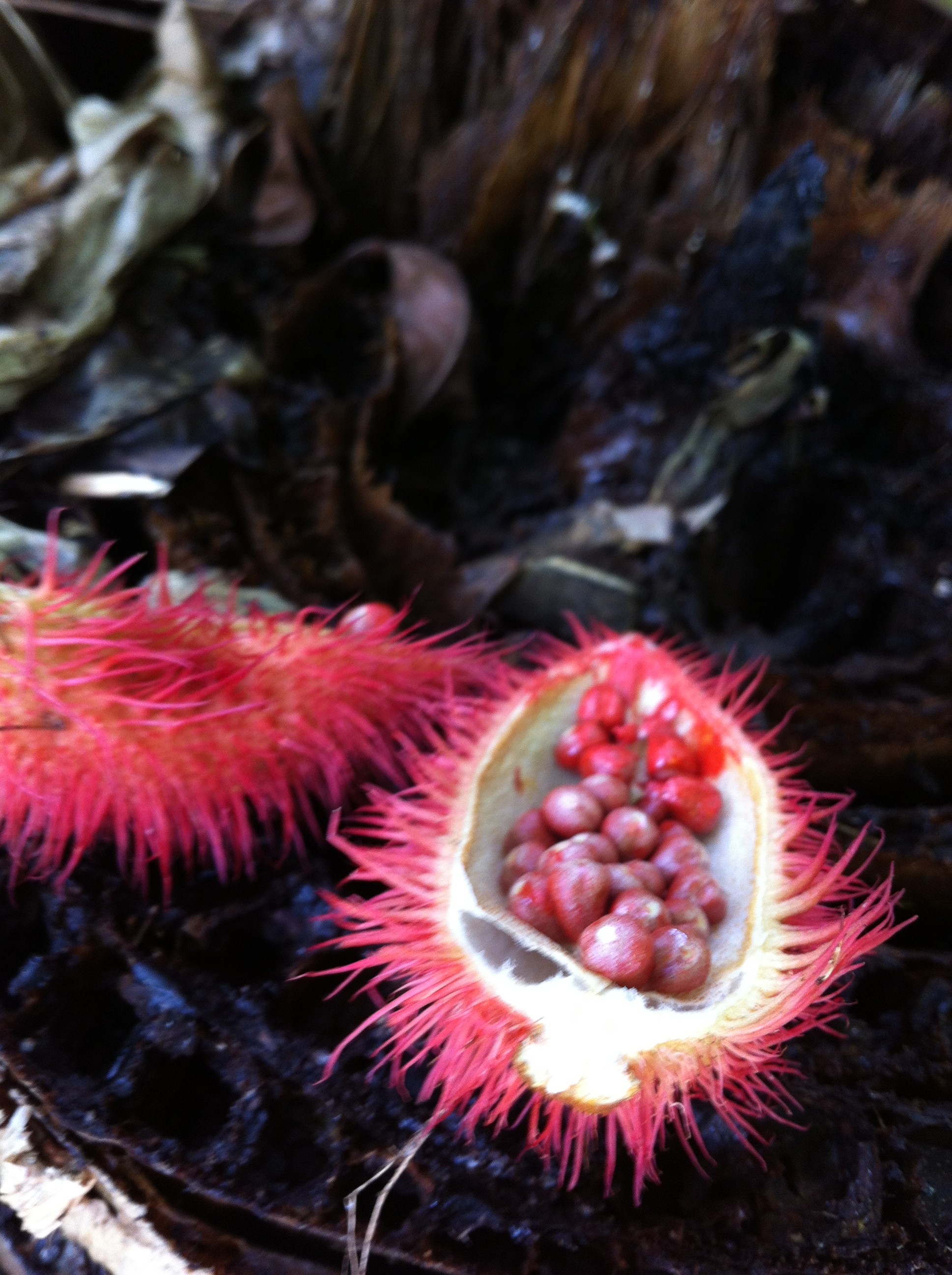
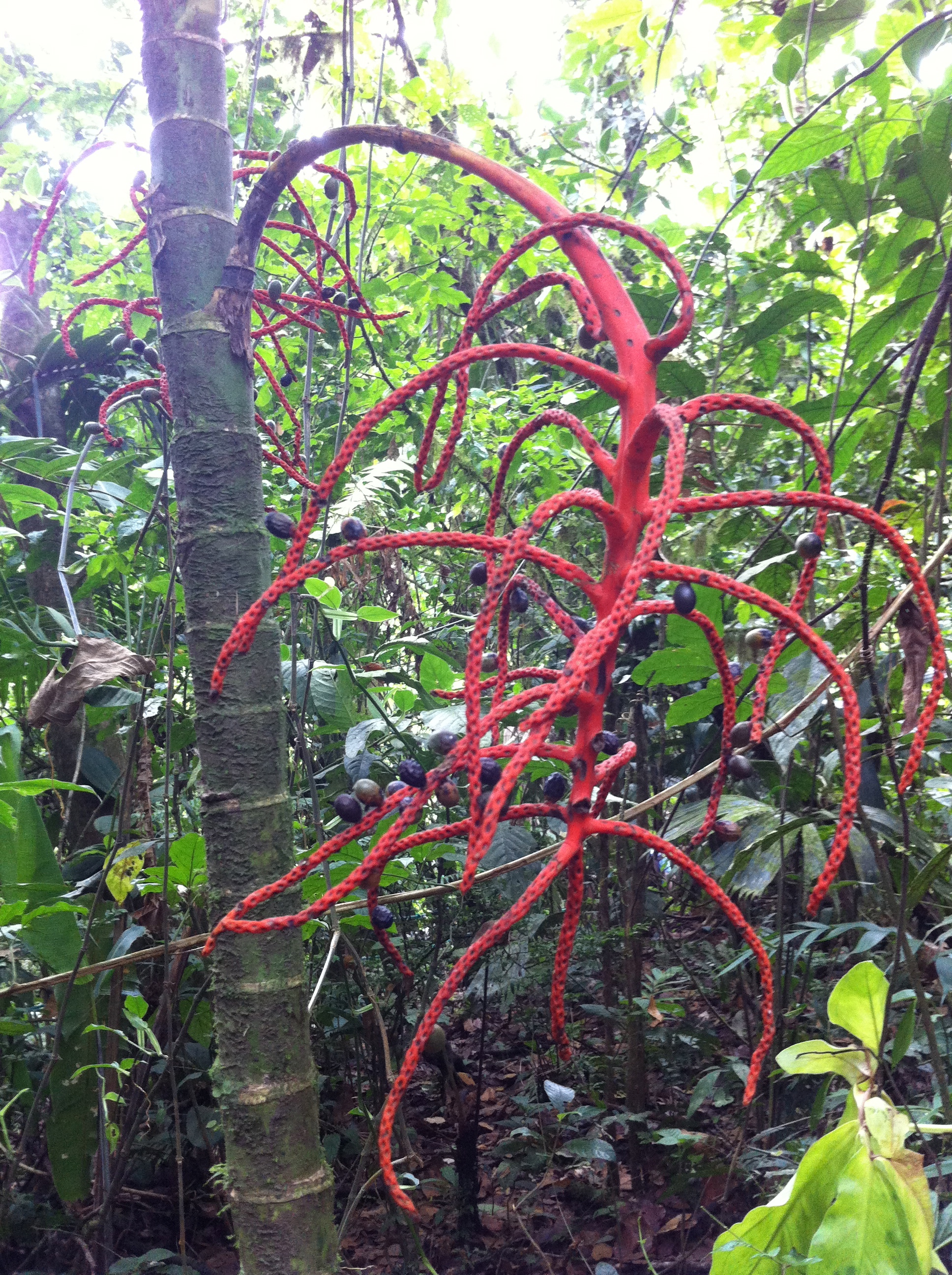
For a lifelong night owl, it was quite a change in routine, but I found myself satisfied with it all. I could hike uphill for miles, challenge myself to daring feats (like zip-lining, riding swinging sky trams, traversing shaky hanging bridges and climbing swaying towers that were far, far above the safety of the ground), chew leaves off a plant I had not personally identified and researched, smear myself with color from a plant, slurp goo-ey slime from a fluorescent red fruit that had pliable spikes all over it.  I was someone else.

IMG_9650 IMG_9666 IMG_9671 IMG_9704 IMG_9733 IMG_9722 IMG_9764 IMG_9810

The sun came out every day, although the weather channel app insisted it was raining every day, we only had rain for a few hours on one day. I thought, the weather channel isn’t even itself over here, as the sun cascaded through the huge tropical leaves.

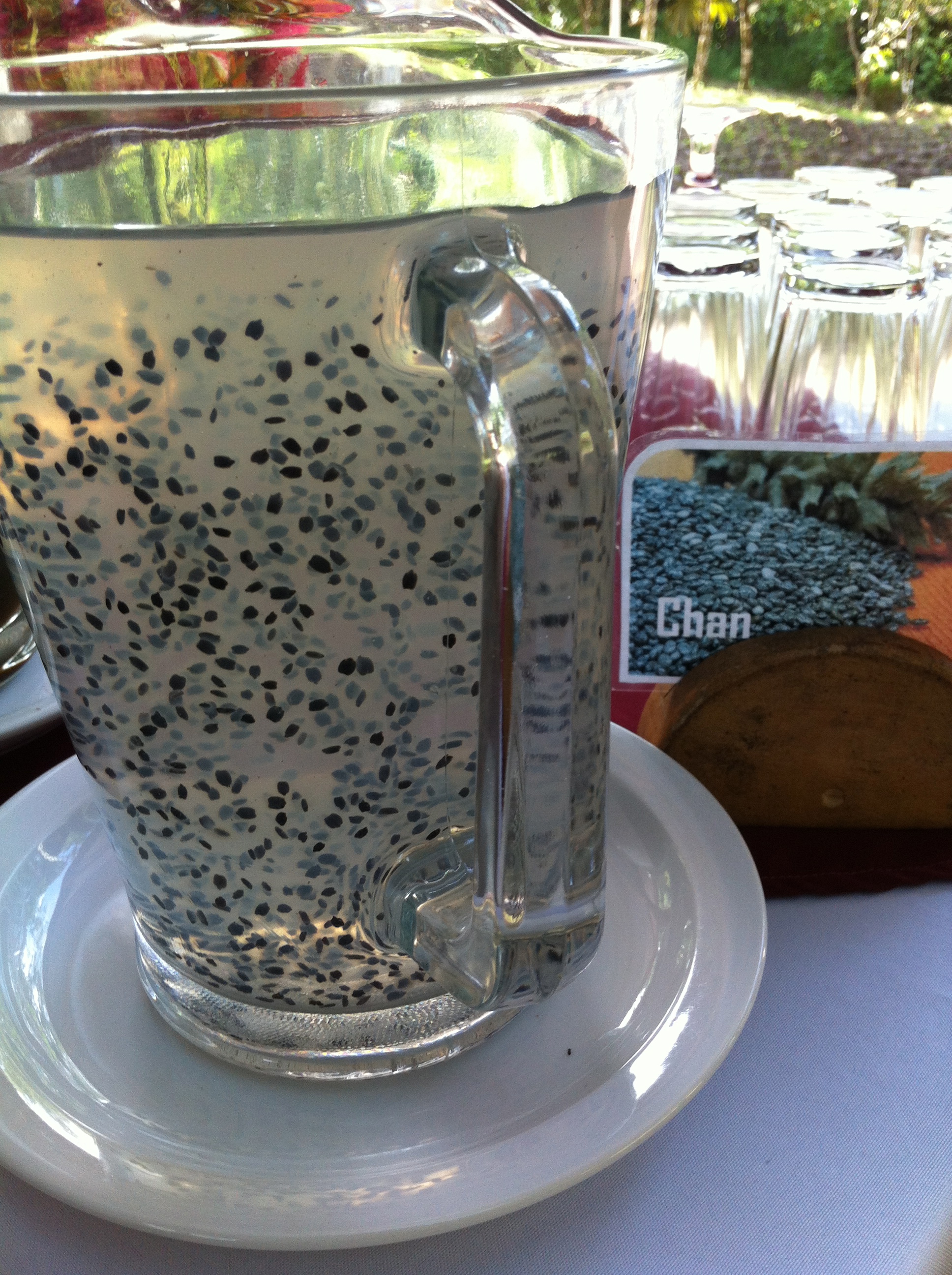
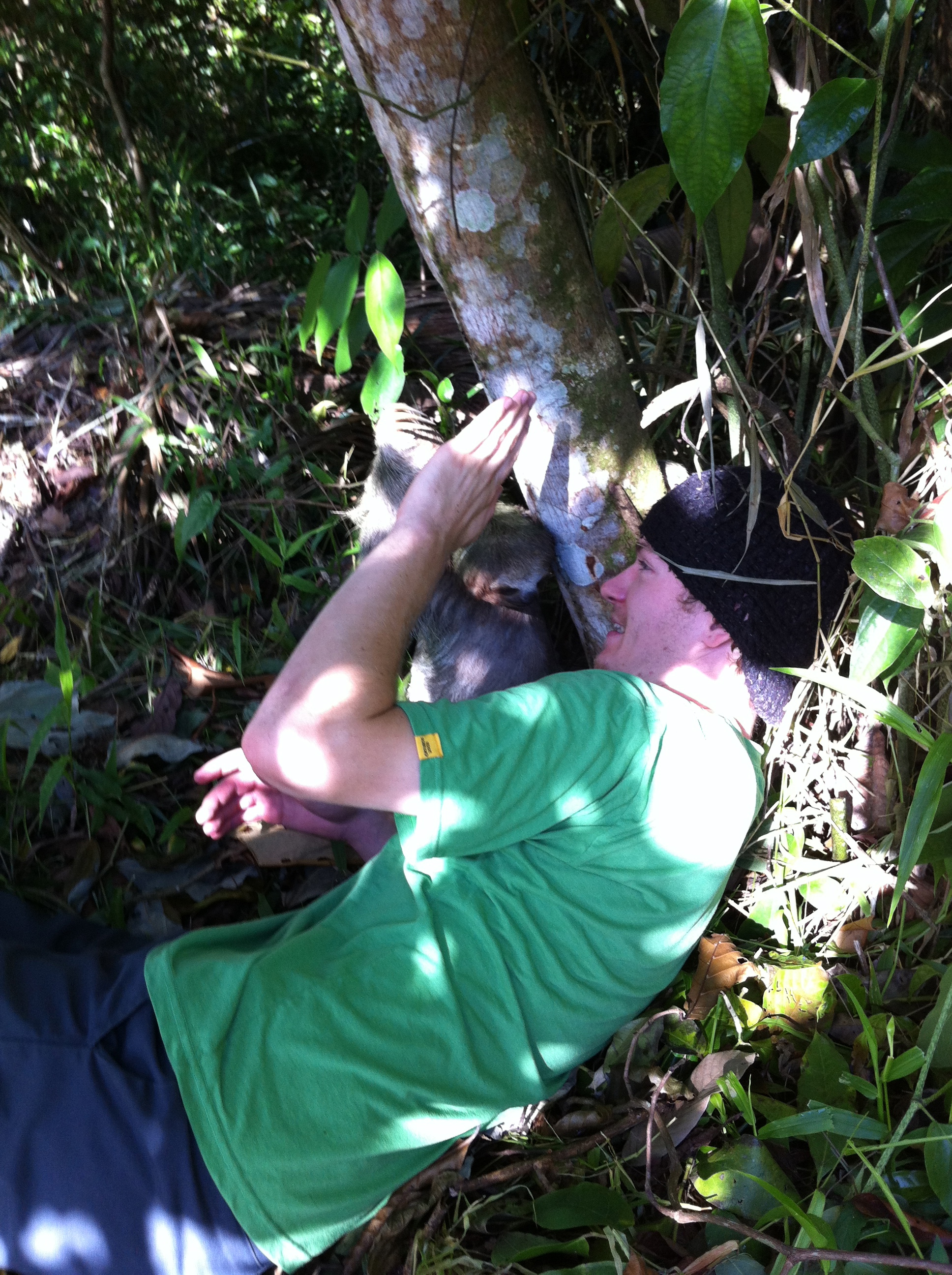
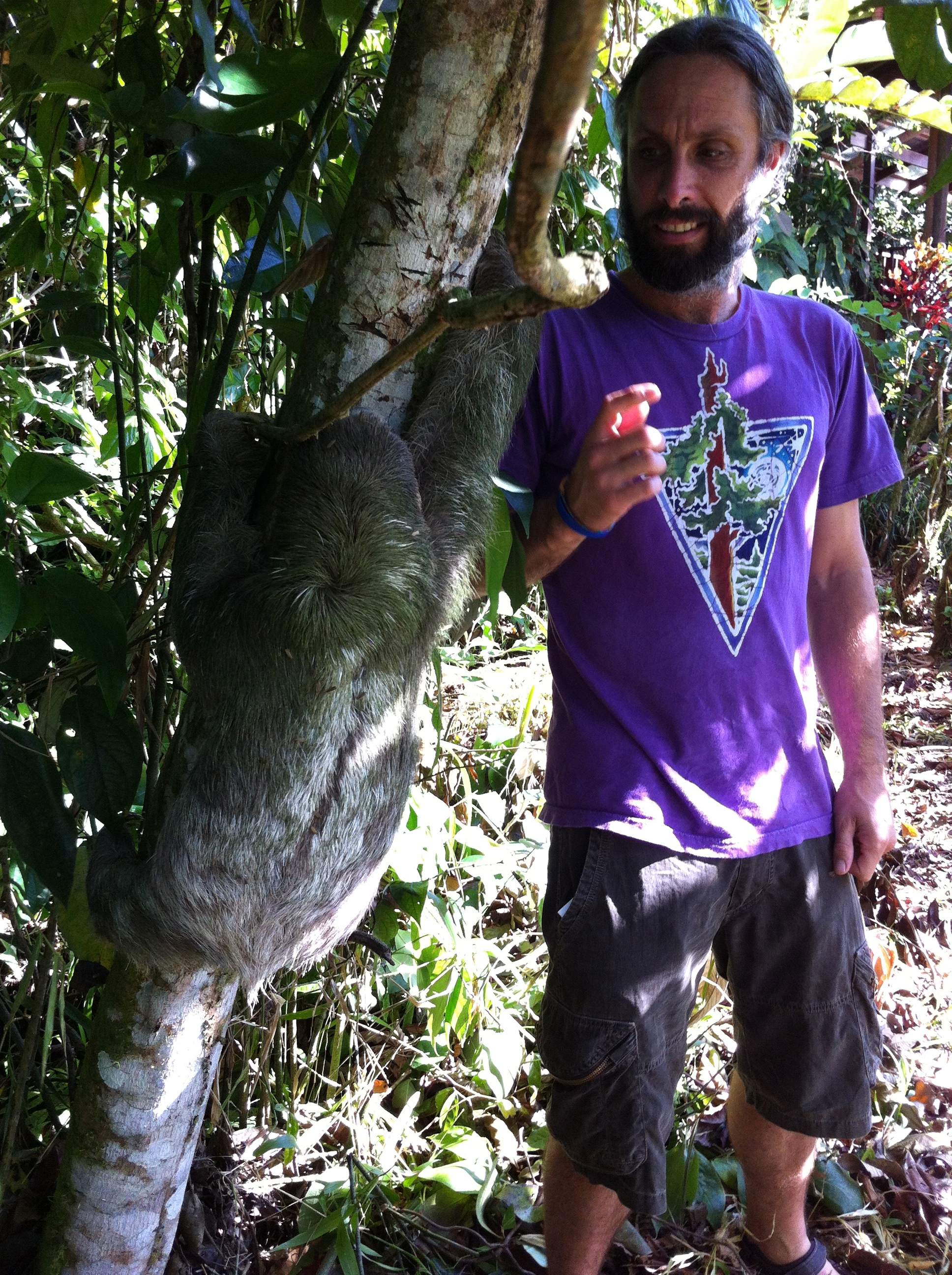
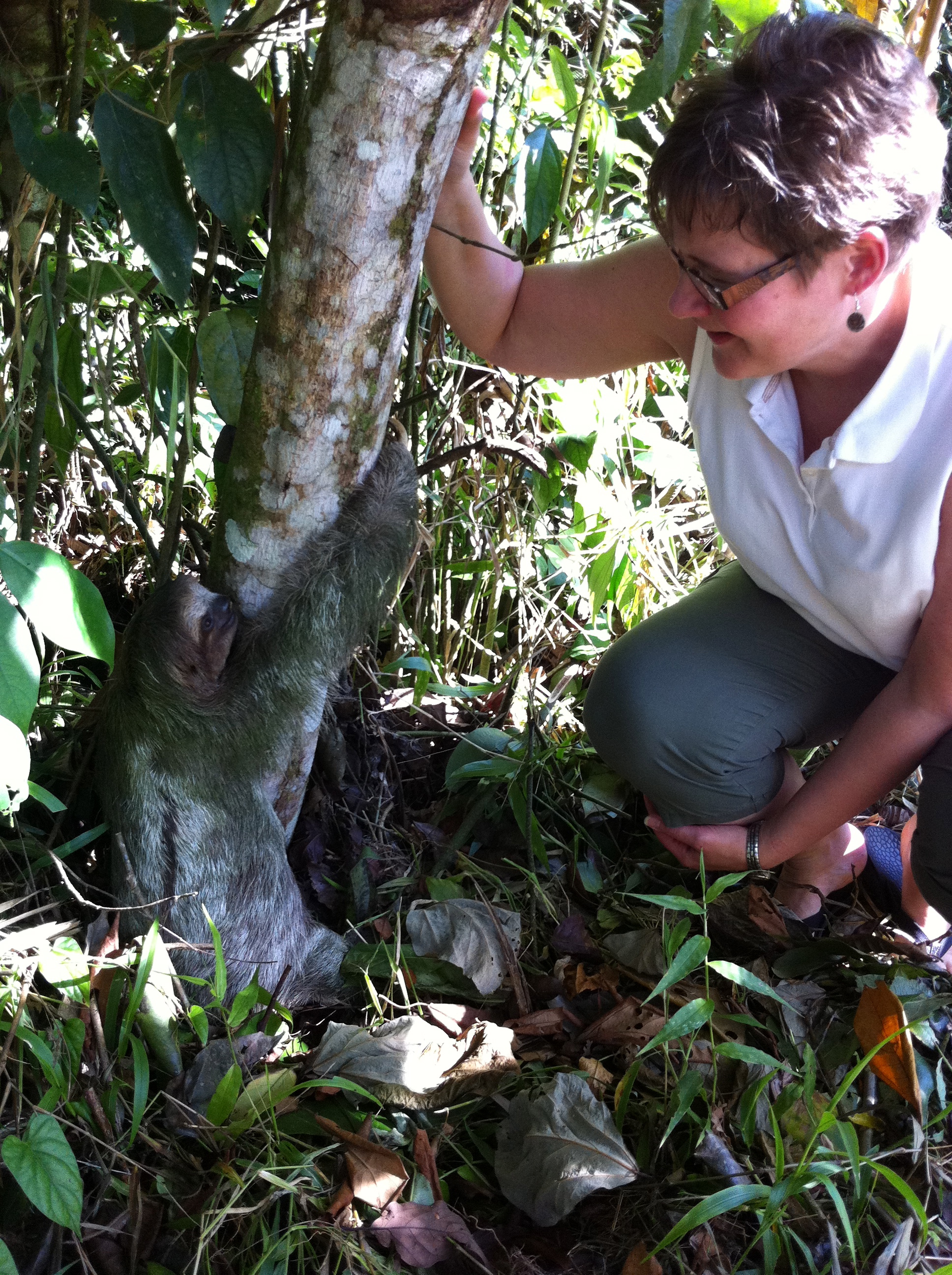
On the morning we left, we had a soulful breakfast with the group, lamenting leaving the new bond we had formed amongst the group members. We traded facebook addys, and clinked our glasses of guanabana juice and cups of Costa Rican coffee. On our walk back to the rooms, someone (Tyler) yelled “Sloth!” and we scurried up the hill to find him cuddling a sloth near the base of a tree. She was sweet and gentle and looked a bit as if she’d been spotted by a bunch of teenage groupies, which was close to the truth. She posed for pictures, as any good superstar should, and (s..l..o..w..l..y) ascended the tree, away from our gawking and muted squealing.

Tyler high fives the sloth
Tyler high fives sloth
Debby says Hi to sloth
Debbie says Hi to sloth
Brian says Bye to sloth

I had hoped by now that I would’ve processed the trip, and would have some insightful and spectacular motto to share on the experience.

Upon introspection, I can only say that I stashed a little bit of myself at Finca Luna Nueva, maybe in the cacao trees, maybe in the folds of a fuchsia flower, maybe in the palm of the she-sloth. Its a part of me I willingly give in order to have Costa Rica with me forever. I’ve gained the insight that the “me” that’s here is only an illusion, really.

I have to take a moment to thank Brian, Steven, Ishmael, the cooks, groundskeepers, housekeepers and everyone else at Finca Luna Nueva; and New Chapter for their tireless support of the Sacred Seeds organization on the farm. And also, I’ll thank David & Christine, Kendra, Tyler, Andrew, Jonathan, Linda, Debbie, and Katie for being a great group.

In conclusion, I hope everyone has the opportunity at some point in their lives to change the scenery, not just externally but internally, and that you get to leave a bit of yourself behind. You’ll undoubtedly gain more than you leave.

IMG_9406 IMG_9885 IMG_9881 IMG_9864 IMG_9794 IMG_9668 IMG_9613 IMG_9560 IMG_9421 IMG_9372 IMG_9432IMG_9452

Alyssa works at multiple MOMs locations.

Posted in Ecology, Fruits, Gardening, Natural Health | Tagged , , , , , , , , , , , , , , , , , , , | 10 Comments

Brushing Your Teeth Should Feel Good

On a recent early Fall day, in the wee hours of morning, about 20 MOMs employees showed up at the parking lot in College Park and piled our sleepy selves onto a mini-bus for a trip to adorable Kutztown, PA to see the home of the Radius toothbrush.

Founder, Kevin, at his desk

Founder, Kevin, at his desk

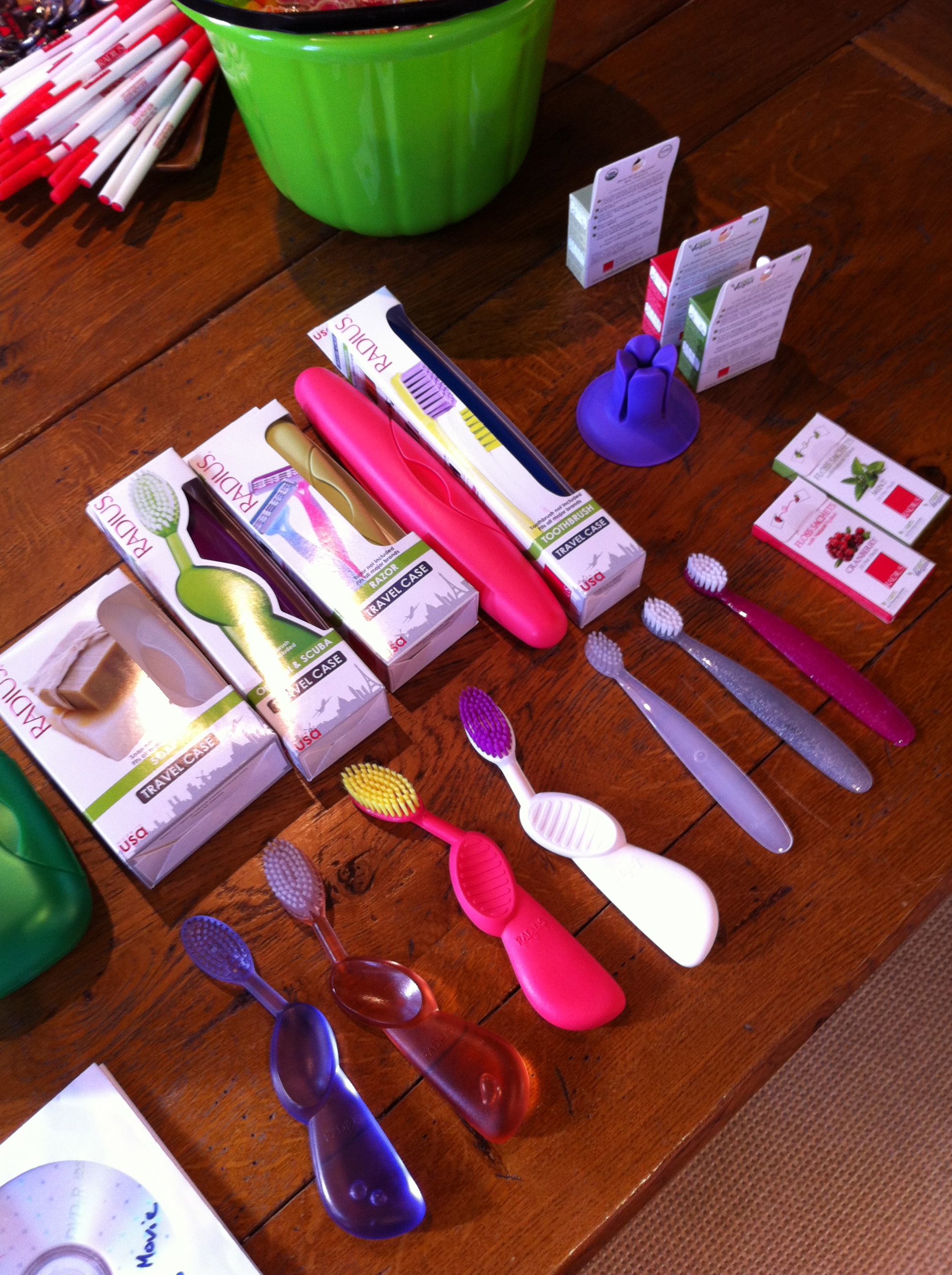
Radius is a brand we’ve carried at MOMs for many, many years. Most of us know Radius for their large and odd-looking toothbrush. Besides those memorable toothbrushes, Radius also makes silk dental floss, and travel containers for toothbrushes, razors, tampons and such.

After a lengthy drive, we got to Radius more than a half-hour late for our tour. We climbed the steps to an old brick building and climbed more steps inside. Suddenly, feeling a little groggy, we found ourselves in a cathedral, of sorts. The radius offices are contained in a beautiful old brick farm building that was restored, painstakingly, by the founder of Radius, Kevin.

After settling in, we learned about the history of toothbrushes (and the lack of innovation and improvement in their design over the past 100 years), and the history of Radius. Kevin and his friend were determined to create a toothbrush that worked with the human hand, not against it. They envisioned a toothbrush that would gently distribute pressure all along the gums and tooth surface, without damaging the gums and tooth enamel.

Their fantasy toothbrush would be easy to hold, and it would feel good to use it. A toothbrush that felt good to use, would help keep us brushing for longer. And it would last a long time, since it would not need, nor would it encourage, the typical human’s habit of jamming and ramming the toothbrush along the teeth. The bristles would remain vigilant, use after use, for many months. This would reduce waste.

Scuba toothbrush in a travel case

Scuba toothbrush in a travel case

From this fantasy, the Original Radius was born: a specimen of ergonomic design and flawless function. It is made in both left-handed and right-handed versions. Later, an extra-flexible version made from recycled rubber, called the Scuba was launched. And years later, Radius offered up the Source toothbrush, which can be fitted for either lefties or righties, and allows for replaceable heads on a recycled-material handle.

A Kidz version, smaller and softer, came to be, and then a Totz version, and a Baby version. All were made specifically with the intent to start humans off on the right, er, foot, when it comes to brushing their teeth. The Baby version is even made to be chewed, as a baby might be prone in the earliest stages of oral health, and to be used by a helpful parent to brush the baby’s teeth for them.

The floss came to be one of my favorite items when Radius came out with a cranberry floss. As many of us in the natural health field know, cranberry helps keep bacteria from sticking to bodily surfaces.

Cranberry floss (now vegan)

Cranberry floss (now vegan)

This is one of the ways that cranberry helps alleviate minor urinary infections. Adding cranberry to floss means it can help work against bacteria in those tight little spaces between teeth. I was sold.

At some point during all these years of innovation and product launches, Kevin’s daughter, Saskia, became CEO of Radius. Her tireless enthusiasm is apparent as she continues to push the innovation forward, rejecting subpar prototypes and designs with ease, quite to the dismay of her father and the other designers. That kind of mix of talent can keep everyone in balance, allowing only the best to hit the shelves.

Saskia’s mother is a shipping manager, and she was rushing around checking on orders and putting out proverbial fires as we sat and listened to our lesson.

Saskia shows us the bristling machine

Saskia shows us the bristling machine

We took a tour, downstairs, of the equipment that bristles the handles and packages the final products. It was cool to see these items were actually being made in the US. I realized right then that I had expected that this kind of production didn’t really exist in the US anymore, having noticed for so many years that almost everything a US consumer uses these days is made in China, Taiwan, or India. It seemed like a mirage.

Saskia wrapped up the afternoon after teaching us a bit more about Radius. We oogled our goody bags and asked questions, said our good-byes and headed out the door. We saw the solar panels next to the building that supply 85% of their power.

During the long trip back, I couldn’t help but realize how cool the Radius company is, and I was excited to try out my new toothbrush. While at first it was a little odd, I soon realized – it felt really good.

IMG_9106IMG_9168

Alyssa works in multiple MOMs locations.

Posted in Children, Energy Resources, Local, Recycling | Tagged , , , , , , , , , , , , , , , | Leave a comment

Restored Faith

I started working at the MOM’s Organic Market Alexandria store towards the end of June this past summer. I was so excited at the prospect of getting to work with a company that truly walks the talk of its mission: Protect and Restore the Environment.

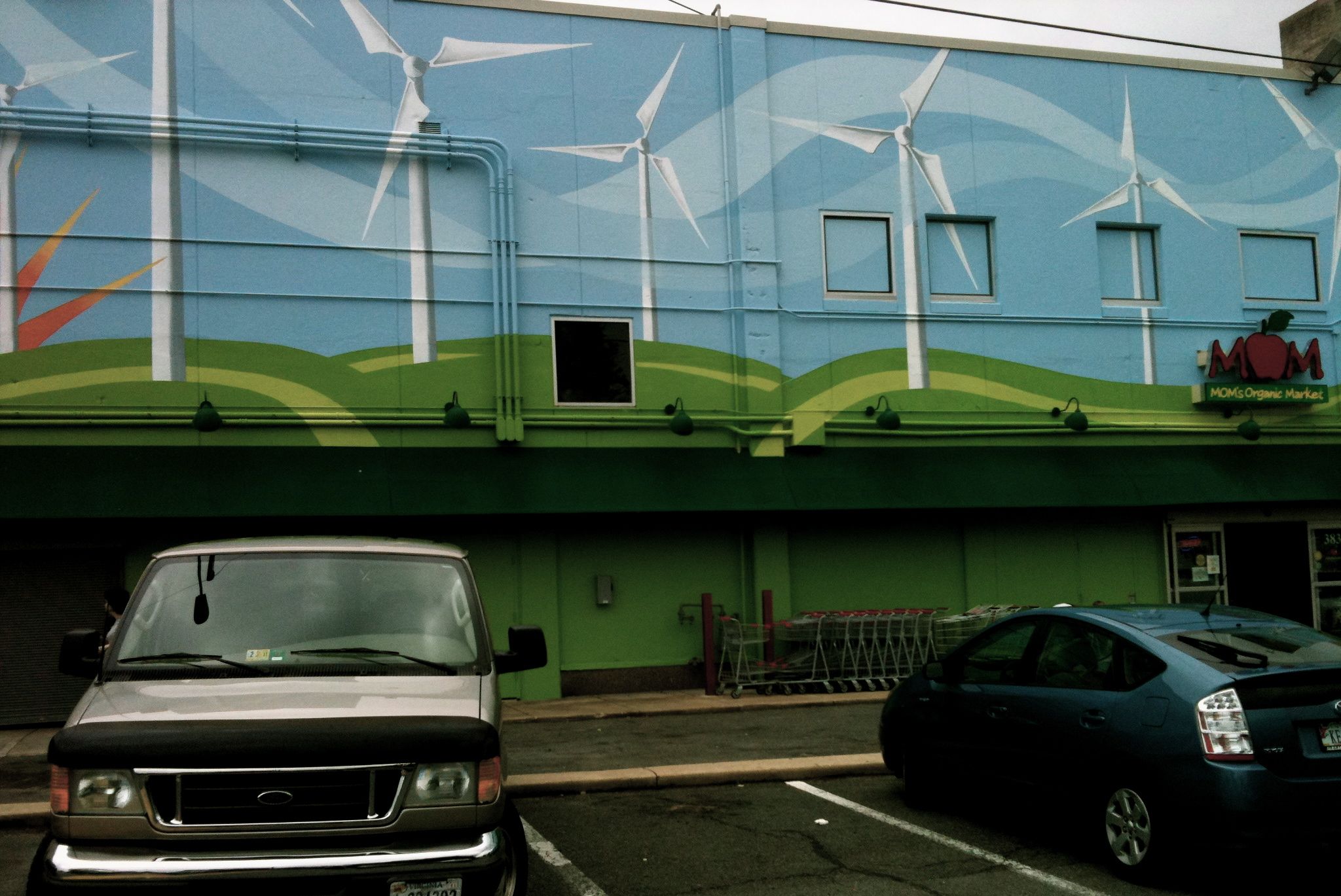
AXmuralparking

As a college student, I was the president of our environmental club, Earth Emerson. Studying at an arts school where students were wrapped up in their personal, creative projects, it sometimes seemed like a hopeless cause. The club was small, predominantly female, and fairly disorganized, but I continued with the group making it my own personal mission to get Emerson students to wake-up and save the planet. I succeeded in promoting and creating change at Emerson College, but sometimes students would just walk right by our tables where we would try to raise awareness. They generally acted like we weren’t even there, unless there was free food. It was disheartening and even frustrating at times, but no battle was ever won by doing nothing.

Working at MOM’s has truly restored my faith in humanity. I am so excited with my newest endeavor as Alexandria’s Environmental Restoration Captain. I’ve been able to come back to my roots, and this time I do not feel like my community is blindly passing me by. Employees and customers come in with their kitchen scraps to compost, items to recycle (often those that are so often over looked and thrown into the trash), and they teach me every time I get a new question about the process of composting or recycling. They truly care about their personal impact on our environment.

While there are still many employees and customers that are learning and slowly adding more environmentally conscious practices into their lives, I am constantly in awe of their genuine interest, concern, and hunger for knowledge on how to start turning their everyday practices around. Just the fact that these individuals are shopping at MOM’s is a huge step in decreasing our environmental footprint. Buying bulk foods decreases the amount of packaging going into the landfill. Buying organic decreases the amount of pesticides used during production, which leads to less run-off and erosion protecting our water sources and fertile lands. Buying sustainably harvested fish and pasture raised eggs and meat is a vote for better fishing practices and ethical meat production. Just being a MOM’s shopper is supporting a small business that cares and gives back, buying carbon offsets and providing waste management services that our local, state, and federal government somehow seem to over look making easy and affordable. By supporting MOM’s customers are able to give back without having to do anything other than their weekly grocery shopping.

So, here’s to you, MOM’s customers, employees, and Scott: Thank you all for restoring my faith in humanity. Be the pebble. Make a ripple. Send it out and let’s keep our amazing community of green-minded individuals growing, teaching, and walking the talk.

Kristen works at MOMs Alexandria.

Posted in Climate Change, Employment, Green Careers, Local | Tagged , , , , , , , , , , , , , | Leave a comment

The Mystery Behind the Numbers

rubbermiadbinRecycling isn’t very intuitive.  Some sorts of plastic can be recycled, some sorts of packaging can’t, it varies in every county… I know I’m guilty of pitching something into the recycle bin and hoping I made the right choice!

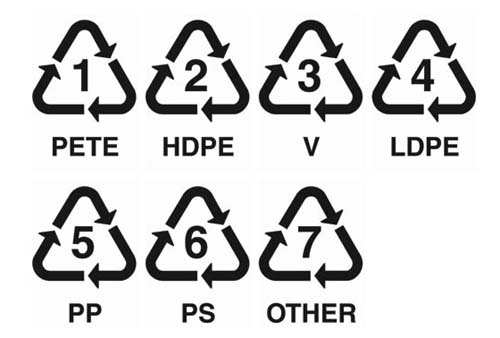
Thankfully, Google directed me to The Daily Green, which breaks down what types of plastic the numbers indicate, and what our recycled things become after we toss them in the bin:

  1. polyethylene terephthalate: soda and water bottles, salad dressing bottles.
     Recycles into: fleece, tote bags, carpet.
  2. high density polyethylene: cereal box liners, butter tubs, juice jugs.  Recycles into: pens, benches, fencing.
  3. Vinyl or PVC: detergent bottles, siding, medical equipment.  Recycles into: decks, flooring, mats.
  4. low density polyethylene: squeezable bottles, shopping and dry cleaning bags. Recycles into: compost bins, shipping envelopes, floor tiles.
  5. polypropylene: ketchup bottles, straws, bottle caps.  Recycles into: signal lights, ice scrapers, rakes.
  6. polystyrene: disposable cups and plates, egg cartons, CD cases.  Recycles into: insulation, foam packing.
  7. Miscellaneous: 5 gallon water jugs, sunglasses, computer cases, PLA.  Recycles into: custom made products.
plastic-recycling-codes

I had no idea there are so many types of plastic!

But to recycle properly, you need to know more than just plastic types and numbers.  Many counties have distinct recycling programs that only take certain forms of the plastics/numbers above.  My county (MoCo!) accepts plastic bottles 1-7 (except 6) but no plastic wrap, bags, or film.

And what about the things that are less straightforward than plastic bottles, like toothpaste tubes?  Thankfully, TerraCycle exists.  You can join a brigade, or waste collection drive, and contribute all sorts of items you would normally trash (For example, TerraCycle has a brigade for Neosporin tubes!).

There’s more: PLA

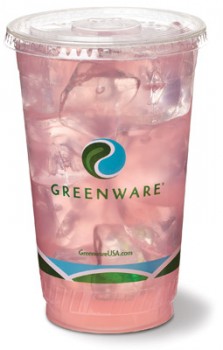
greenwarePLA is Polylactic Acid, also known as biodegradable plastic.  It comes from renewable sources such as corn and tapioca root.  Only about 20% of plastic bottles are recycled, the rest ending up in landfills and our oceans.  A biodegradable alternative is a step in the right direction.

Since MOM’s launched Stop the Stuff in 2010, we stopped selling bottled water and have taken many steps to eliminate our plastic waste.  We use PLA for our produce bags, sample cups, and Naked Lunch.

Be aware: PLA is not usually recyclable in your blue bin, nor are PLA bags to be recycled with traditional plastic bags.  As my county plainly states, “we cannot accept for recycling any biodegradable or compostable plastic items.”  I hope this will change soon.  In the meantime, you are welcome to compost your PLA or bring it to MOM’s to put in our compost bins.

Happy recycling!

Posted in Composting, Family, Recycling | Tagged , , , , , , , , , | 2 Comments

A New Pledge

This post is the conclusion to a previous post. Check it out here.

In Olympia WA, Alaffia is a small company that receives raw ingredients from their Togo women’s cooperative, then packages, labels and ships finished products for sale to retailers in the US. Alaffia is proud to provide gainful, rigorous employment to about 50 employees in Olympia. Still, the profits from the company mainly make their way back to Togo, to invest in existing and new programs to support Alaffia’s pledge.

Alaffia employees in Olympia wish Olowo-n’djo well on his trip.

Alaffia employees in Olympia wish Olowo-n’djo well on his trip.

After meeting Olowo-n’djo for the third time, I find myself tempted to sell all my earthly possessions and move to Olympia where I would sleep on his family’s doorstep until he set me to work doing some magnificent, if not difficult, task to aid in the Alaffia pledge. alaffiaStamp

But then again, I know that I have a role in the Alaffia pledge here at MOMs.

My role is to help educate and inspire our customers to purchase the items that support gender equality and community empowerment.

allaffiacurlsadWhat I’ve come to realize in the days since Olowo-n’djo‘s most recent visit is that I can make a pledge myself. As an average user of body care products, I estimate that I spend about $60-$75 per month on hand soap, body wash, bar soap, shampoo and conditioner, and body lotion for me and my husband. If I pledge to purchase only Alaffia products (including Alaffia’s Everyday Shea or Everyday Coconut) to fulfill these needs, I’ll be supporting the hard-working women of Alaffia’s cooperative and the Alaffia programs that are succeeding in boosting opportunities and gender equality in Togo.

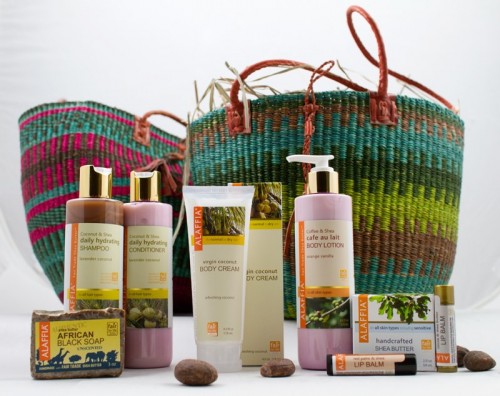
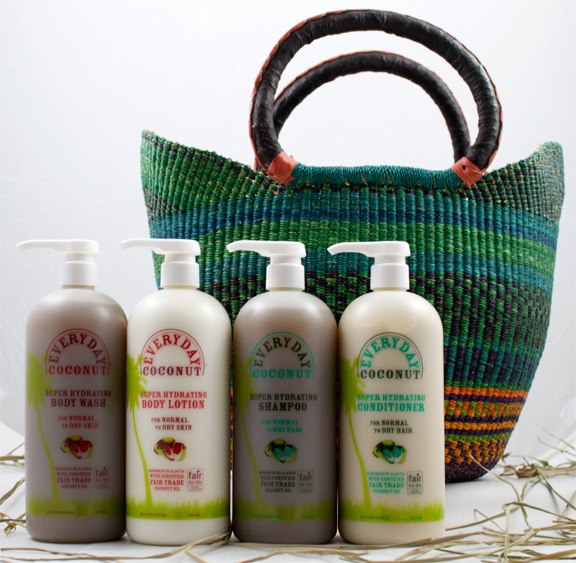
alaffia-assortment Everyday-CoconutThe more successful Olowo-n’djo, Rose and the women’s cooperatives are, the more likely other groups will be able to use a similar model to improve their own impoverished communities.

On a selfish note, the truly cool thing about my Alaffia pledge is that I don’t have to sacrifice anything. The Alaffia and Everyday Shea products are no more expensive than the products I normally purchase for these purposes.  The products smell beautiful without artificial perfumes, thanks to their rich botanical ingredients. And the products work great: the sudsy moisturizing washes and shampoos; and creamy, buttery conditioners and lotions certainly are top picks amongst their peers.

To pledge something like this means I have to make a concerted effort, though, to focus my rather unwieldy body care-purchasing habits to this line; forsaking many others, no matter the coupons, or nifty AlaffiaBlack Soaplittle two-for-one bargains that may adorn displays of other brands. [Honestly, I don’t buy dollar deals on junk products anyway.]

My pledge isn’t about giving money away.

And it’s not about quitting my job and devoting my life to serving a distant community (although I certainly admire either of these sacrifices). Instead, it’s about boosting the value of the products the artisan women in Togo make, which is immeasurable in its effect, thanks to Olowo-n’djo and Rose, and their Alaffia pledge.Alaffiakids

Check out Alaffia at MOMs, or a number of other retailers, or visit their website for mail order.

All photos used are either from Alaffia’s various sites, or were supplied by MOMs employees, like Kathleen in the Timonium store.

Alyssa works at multiple MOMs locations.

Posted in Green Careers, Natural Health | Tagged , , , , , , , , , , , , , , , , , , , , | Leave a comment

Alaffia Pledge – Gender Equality and Community Empowerment

alaffiaStampOften when a passionate and enthusiastic person, concerned about human rights and environment, decides to focus their energy on making a difference they look to support charitable organizations that may offer funds, education and outreach to communities that either need help, or organizations of people that have the means to help others.

It’s an honorable and admirable move, to devote one’s work and life to helping others. And yet, it’s not the only way to make a difference.

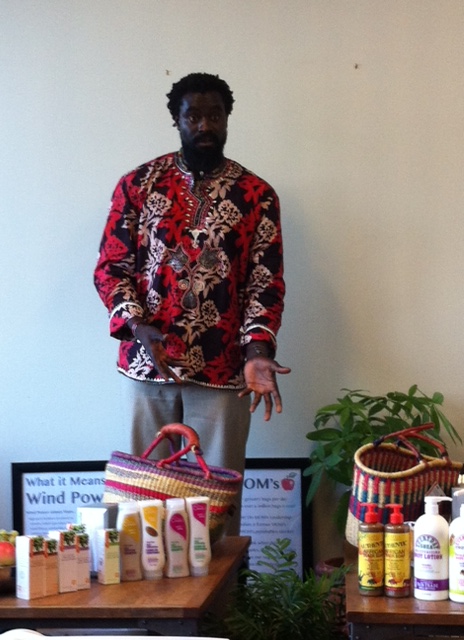
Last week, MOMs hosted a staff lecture by the founder of one of our favorite vendor’s founder, Olowo-n’djo Tchala of Alaffia Skincare.

Alaffia O 1 Alaffia O 3Alaffia O 2

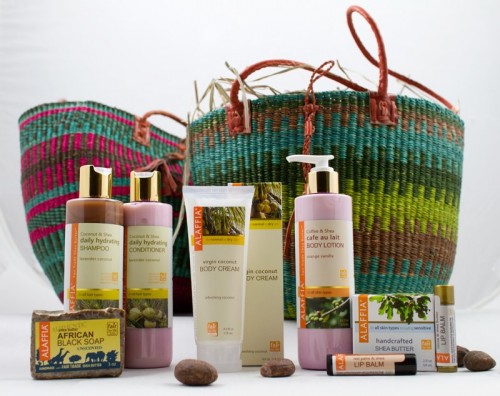
Alaffia has been a long-popular line at MOMs, with their fair trade shea butter products, including African black soap, lotions and haircare products made with neem, coconut, lemongrass, and goat’s milk. These extremely nourishing products are made from rich, native ingredients from West Africa, largely Togo. Just as important is the way in which, and by whom, the products are made.

When Olowo-n’djo was a child in Togo, which is considered by the UN to be one of the most impoverished countries in the world, he lived with his mother in an 8×7 shelter with 7 other siblings. He grew up seeing poverty and oppression looming over the people, especially the women, of his community. He also saw a rich heritage of artisan techniques that were passed down from one generation of women to the next. And he saw that formal education, reading and writing, were nearly unattainable by most women. Shea nuts, one of the few natural resources in the area, were stripped from the trees and sold to low-bidding European and American corporate buyers for a tiny fraction of its worth.

Eventually, having graduated from UC Davis later in life, he returned to Togo to find not much had changed for the better, and decided, with his wife Rose, to start a cooperative of women from various villages to harvest and make shea butter in the traditional way.

At the birth of Alaffia, Olowo-n’djo and Rose made a pledge to fight for gender equality and community empowerment through fair trade.

AlaffiaSheaMixingThe cooperative is owned by the women who make the shea butter, and with their fair trade wages and benefits they are able to support their families, send their children to school, and provide guidance and support to their impoverished communities.  Their traditional, artisan techniques that were once fading into the past are now valued and respected, and surviving.

Alaffia’s pledge is not just a slogan or a nifty graphic on the label – Olowo-n’djo and Rose, an ethnobotanist once stationed in Togo with the Peace Corps, have never quit finding new ways to turn Alaffia’s profits into growth and empowerment for the people of Togo:

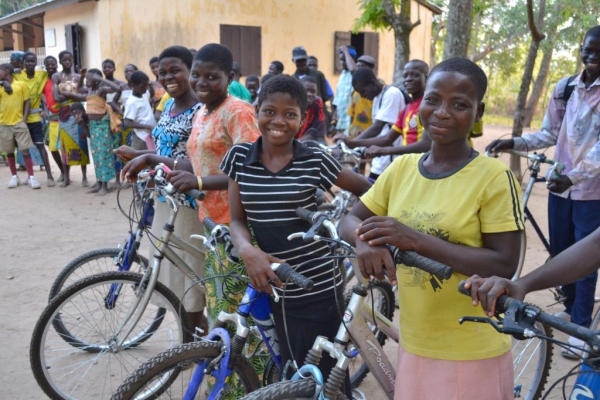
AlaffiabikegirlsBicycles for education – the teen pregnancy rate is high amongst young women and girls, partly due to sex demanded as currency for “taxi” rides to school. Alaffia started a bike collection program in Olympia WA, where Olowo-n’djo and Rose live with their two daughters, which has supplied more than 5000 bicycles to kids in remote villages in Togo. A bike mechanic travels to the villages to help maintain the bikes year-round. The bikes allow many girls who would not be able to maintain a typically heavy load of household chores and walk a long distance to school, to be able to do both.

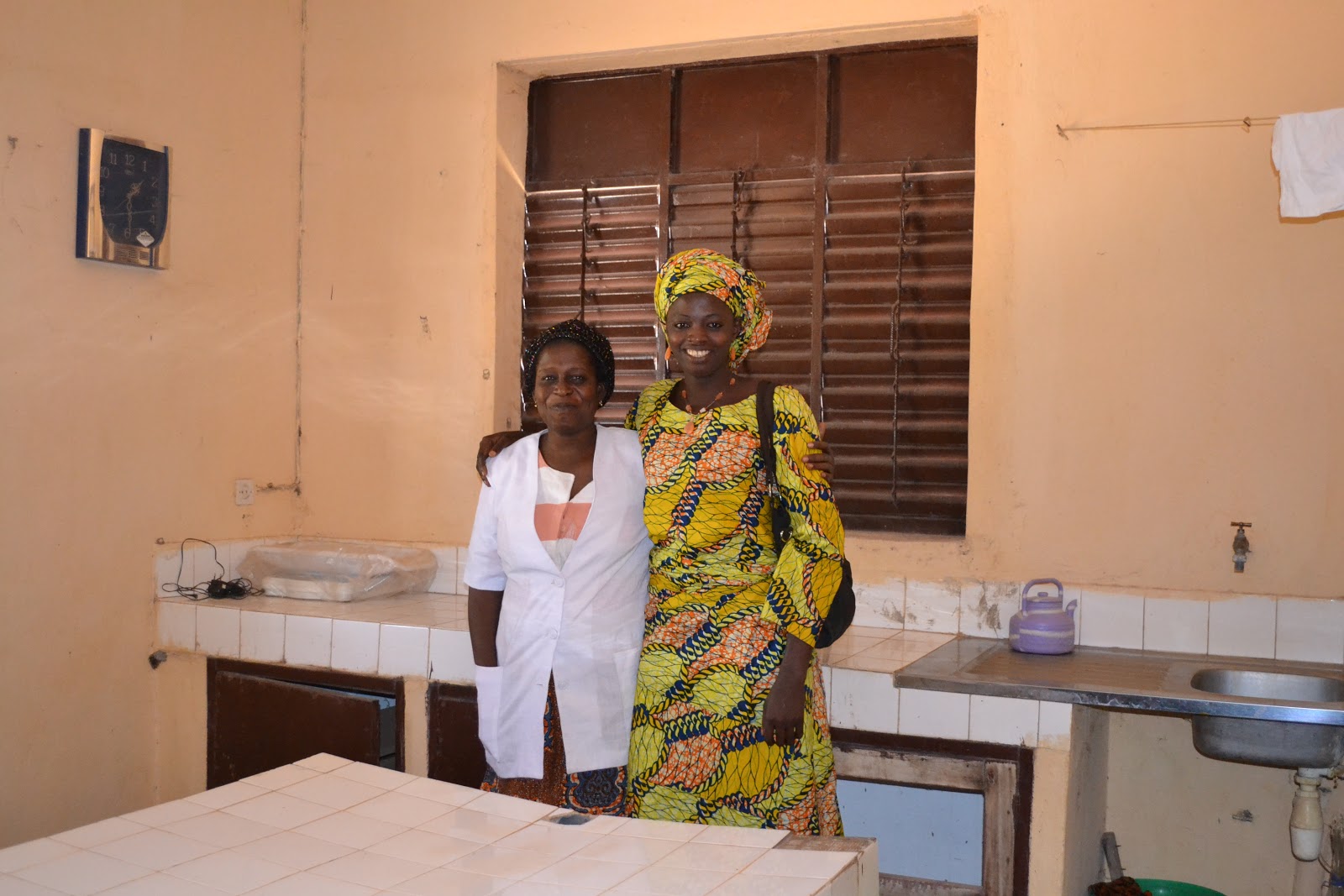
AlaffiaIbadaMaternalHealthMaternal health clinics – the rate of maternal morbidity is high in West Africa where an estimated 225 women and more than 1200 newborns die every day from complications from childbirth. Medical assistance and prenatal care are out of reach for nearly all women of Togo. Alaffia has started and supports multiple maternal health clinics which are making a difference in the lives of pregnant women and their families. In their first 4 years, the clinics have treated 740 women, and have incurred zero maternal deaths, and zero newborn deaths. Run by Olowo-n’djo’s youngest sister, Ibada, a trained midwife, the clinics also help combat the common practice of female excision (circumcision).

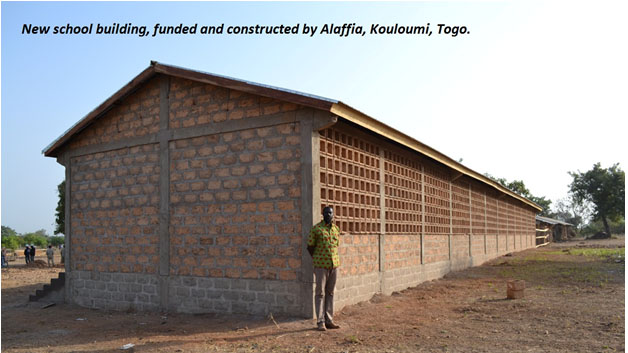
alaffiaschoolSchool support – Alaffia provides school construction, tin roofs, desks, seats and school supplies to various schools in Togo, which allows a better education opportunity for many students.

Environment & Reforestation – Trees in Togo are disappearing at an alarming rate, from both logging and for wood to cook and heat water. Alaffia plants fruit trees, and native shea trees to help provide environmental restoration as well as resources and food for the people of Togo.

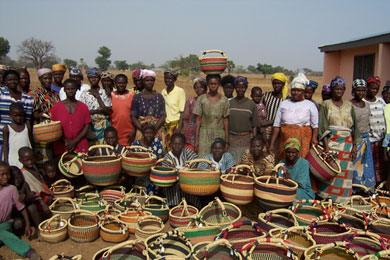
AlaffiabasketsBasket-weaving cooperative – basket-making is another traditional, artisan skill that provides employment in the form of an Alaffia-made cooperative of women, much the same as the shea butter cooperative. Trees that have additional value besides wood, are better looked after and maintained by their communities.

alaffia-assortment

To learn more about Alaffia and their work, check back later this week for the conclusion of this post.

Alyssa works in multiple MOMs locations.

Posted in Children, Ecology, Family, Native plants | Tagged , , , , , , , , , , , , , , , , , , , , , , , , , , | 4 Comments

Avoid GMOs, Buy Organic

usda organicOctober is non-GMO month.  What does that mean?  GMO stands for Genetically Modified Organism, which refers to the genetic engineering of a plant (or animal) by scientists.  Many consumers are concerned about the impact of genetically engineered plants on the environment and on our bodies, and are fighting to make GMO labeling mandatory on product packaging.  

Genetic engineering requires direct manipulation of the plant. Scientists splice isolated genes from another organism into the DNA of a plant (or animal) to create a particular outcome.  For example, Monsanto spliced a pesticide-resistant enzyme from bacteria into soy, so that the soy became resistant to that pesticide. Many people worry about the long-term effects of this type of altered plant.  No long-term testing of the impact of GMOs on the human body or environment is available yet.

Buying certified organic is the best way to avoid GMOs and to have an overall positive impact on our planet.  The National Organic Program requires that no “synthetic fertilizers, sewage sludge, irradiation, and genetic engineering” are used on organic products.  Buying organic also ensures the absence of many other negatives, including exposure to toxic chemicals (pesticides and herbicides), antibiotics and hormones, water pollution, soil erosion, and more.
Non-GMO month was started in 2010 by the Non-GMO Project to raise awareness about genetically engineered foods.  High-potential GMO ingredients include conventional corn, canola, soy, beets, cotton, and derivatives such as malt, citric acid, maltodextrin, and soy lecithin.

Posted in Ecology, Fruits, Natural Health, Organic Food, Vegetables | Tagged , , , , , | 11 Comments

Let’s talk about Lightbulbs

lightbulbIs anyone else confused about lightbulbs?  I know there are different kinds, and some are considered better for the environment than others.  Which is which?

For most people, here are our lightbulb choices:

  • Incandescent: makes light by passing an electric current through a tungsten filament until the filament glows.  These are not very energy efficient.
  • CFL (Compact Fluorescent Lamps) and Fluorescent: an electric arc causes mercury and other gases to glow.  CFL bulbs are more energy efficient than incandescents and last longer.  Unfortunately, they contain mercury which makes a broken fluorescent hazardous.
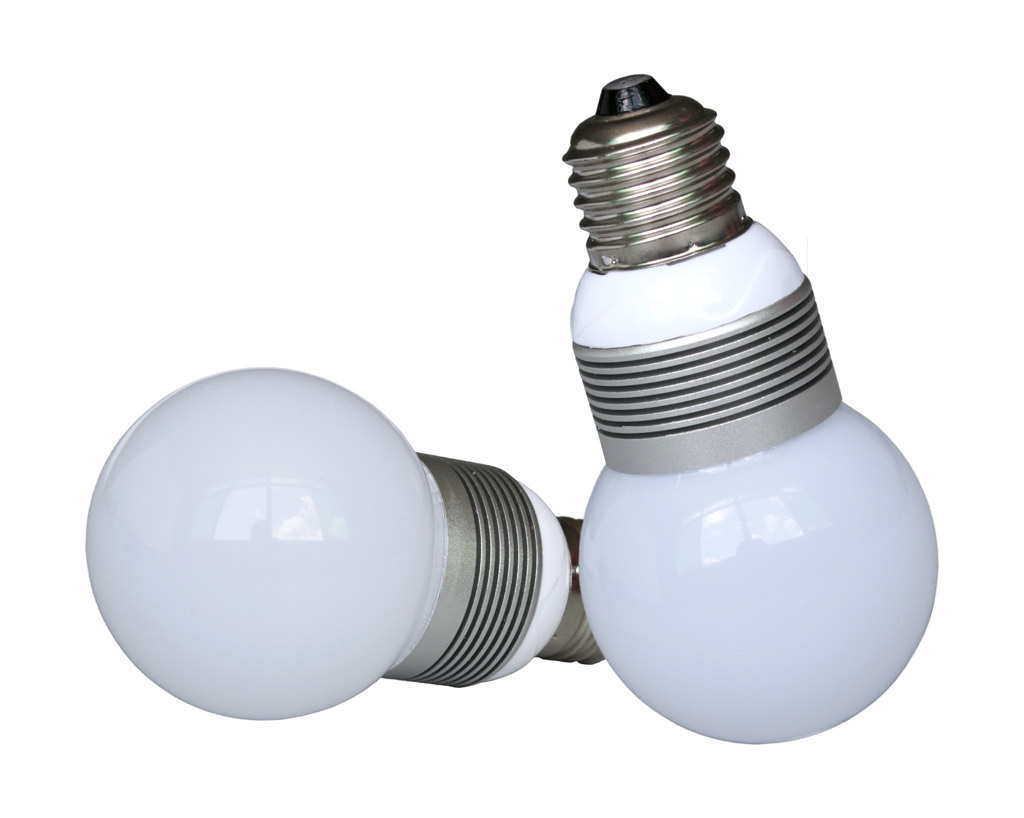
  • LED (Light Emitting Diodes): these make light by applying voltage to negatively charged semiconductors, which causes electrons to create light in the form of a photon.  They have the longest life and lowest energy use so far.
  • HID (High Intensity Discharge): an electric arc causes metallic additives to vaporize and create light.  This type of bulb gives off an intense but unpleasing light, and thus is often use in street lights.

LEDbulbLED’s are the winner!  As heard on NPR, companies out there are making LEDs more affordable and desirable to families and homes.

MOM’s switched our track lighting to LEDs in the summer of 2011, to cut our energy consumption.  It amazes me that making a lightbulb change, whether in a store or home, can save so much energy!

Want to learn more?  This website has more details about different lightbulbs.

Posted in Energy Resources, Recycling | Tagged , , , , , , , | 8 Comments

“Make Creation A Healing Place Better Than You Found It.”

Polyface, “the farm of many faces”. My fiancé, Phil, and I had the opportunity to truck down past Staunton to the middle of nowhere Virginia for a spot on one of Polyface’s Lunatic Tours hosted by Joel Salatin. After hearing his methods and ideologies in the many food documentaries out there, including Food Inc., Fresh and American Meat, I wanted to see the operation in person.

Polyface is a multi-generational farm that was purchased in the 1960s. Supposedly at the time of purchase, the farm was desolate and hardly any form of vegetation existed. Despite consultants telling the family the best way to farm would be by using chemicals and fertilizers, and that growing corn and soy was their best option, the Salatins chose a different route and are now thriving. Their mission is: “to develop emotionally, economically, environmentally enhancing agricultural enterprises and facilitate their duplication throughout the world.” So what are they doing and how are they doing it?

We showed up for our 10am tour not knowing entirely what to expect. Turns out there were 100 adults and 60 kids signed up for this tour. We meandered around before the tour began and found these cuties. They begin in elevated shelters and are fed unmedicated alfalfa pellets and hay or fresh greens. They are finished in the pictured below portable shelters which are moved daily to provide them with fresh greens.

We hopped on the tractor and headed up the hill to where the broilers are kept. Each of these pens are moved on a daily basis and don’t hit the same spot for an entire year. Constantly moving the pens means one of two things. Firstly, this keeps pathogens at bay because the chickens are always moving. Cows are also brought through to graze several times, which is beneficial for confusing pathogens. Secondly, the broilers are always provided fresh ground to forage. Supposedly if they were let loose in the space, they would eat all the “dessert” first. Keeping them penned encourages them to maintain a balanced diet. And there is plenty of room in the pens- they’re more spacious than they may look.

Next we got to see the pigs. Those were some of the happiest pigs I had ever seen. As soon as the crowd showed up they greeted us with their muddy, smiling faces. They get moved from paddock to paddock about every 5-10 days. The amount of greenery they go through in that time frame is mind boggling. The photo shows the paddock towards the end of its use. The pig herds rotate through 12 paddocks.

At this time, Joel shared his strong opinions about the environmentalists that just leave things be. His belief is that we can work with nature to help enhance the existing ecological systems. By allowing the pigs to demolish a paddock, that paddock is able to come back rejuvenated. He referenced how fires destroy land but then offer it the chance to renew and rejuvenate itself. Interesting thought.

Joel Salatin, of Polyface farm

After the pigs, we rode up to the neighbor’s land that is being leased. There was a visible difference in the greenery there than on the Salatin farm. It was really interesting to see how the methods of farming affected it. Pictured below are the turkeys and the Gobbledygo, which gives them shelter inside a paddock surrounded by a high tech, super light weight electric fence.

Here we learned that turkeys get a brain after about 7 weeks. Until they are 7 weeks, they are kept with the baby chickens, who supposedly teach them the ropes. I never would have guessed they obtain a brain after watching a handful of them chasing around a fly. In any sense, the turkeys are raised similarly to the broilers and are rotated every few days to a fresh paddock for fresh forage. Supposedly you can transport 400 birds on the Gobbledygo. We also learned that this particular breed of turkey is easier to manage and has won every taste test against the more difficult to manage heritage turkey breeds.

After loading back up onto the tractor, we headed up the hill to see the cows. These guys are rotated through pastures and immediately followed by the Egg Mobile (further down this entry). He talked here about the importance of maintaining the original diet of the cow- plants- and expressed his concern about current “farming” practices like feeding dead cows to cows, which is said to happen in some industrial systems. Again, working with ecology creates an emotional and spiritual satisfaction that can become lost when strange things happen like feeding meat to an herbivore or not allowing the animal to behave in their natural ways.

Our last stop was at the famous Egg Mobile. This is where the egg laying hens hang out. And boy do they hang out. As soon as we pulled up they all came swarming toward us. The kids on the tour had a blast chasing the dear birds around the Mobile. The Egg Mobile is rotated immediately behind the cows. As the hens are foraging through the manure for fly larvae or other insects, they simultaneously manage to spread the manure throughout the paddock. This in turn helps to build the pasture. And again, rotating constantly keeps parasites and disease at bay because it has no time to develop. Amazing isn’t it?
Rotation, portability and working with ecology were the big things that I learned. Rotation keeps a balanced and consistent diet and keeps diseases at bay. Portability of structures makes your work much easier. How simple is it to just wheel the Egg Mobile in behind the cows? While less human disturbance is probably a good thing for the land, working WITH the ecology and helping to enhance it beyond what it is able to do with no activity is even more beneficial.

And last but not least. If you’ve seen the documentaries, you’ve probably heard this from Joel Salatin before, and this was a very important underlying theme as we visited each animal:

“Plants and animals should be provided a habitat that allows them to express their physiological distinctiveness. Respecting and honoring the pigness of the pig is a foundation for societal health.”

Chew on that one.
Krista works at MOMs Central Office.
Posted in Book/TV/Movies, Ecology, Local, Organic Food | Tagged , , , , , , , , , , , , , , , , , , , , | Leave a comment